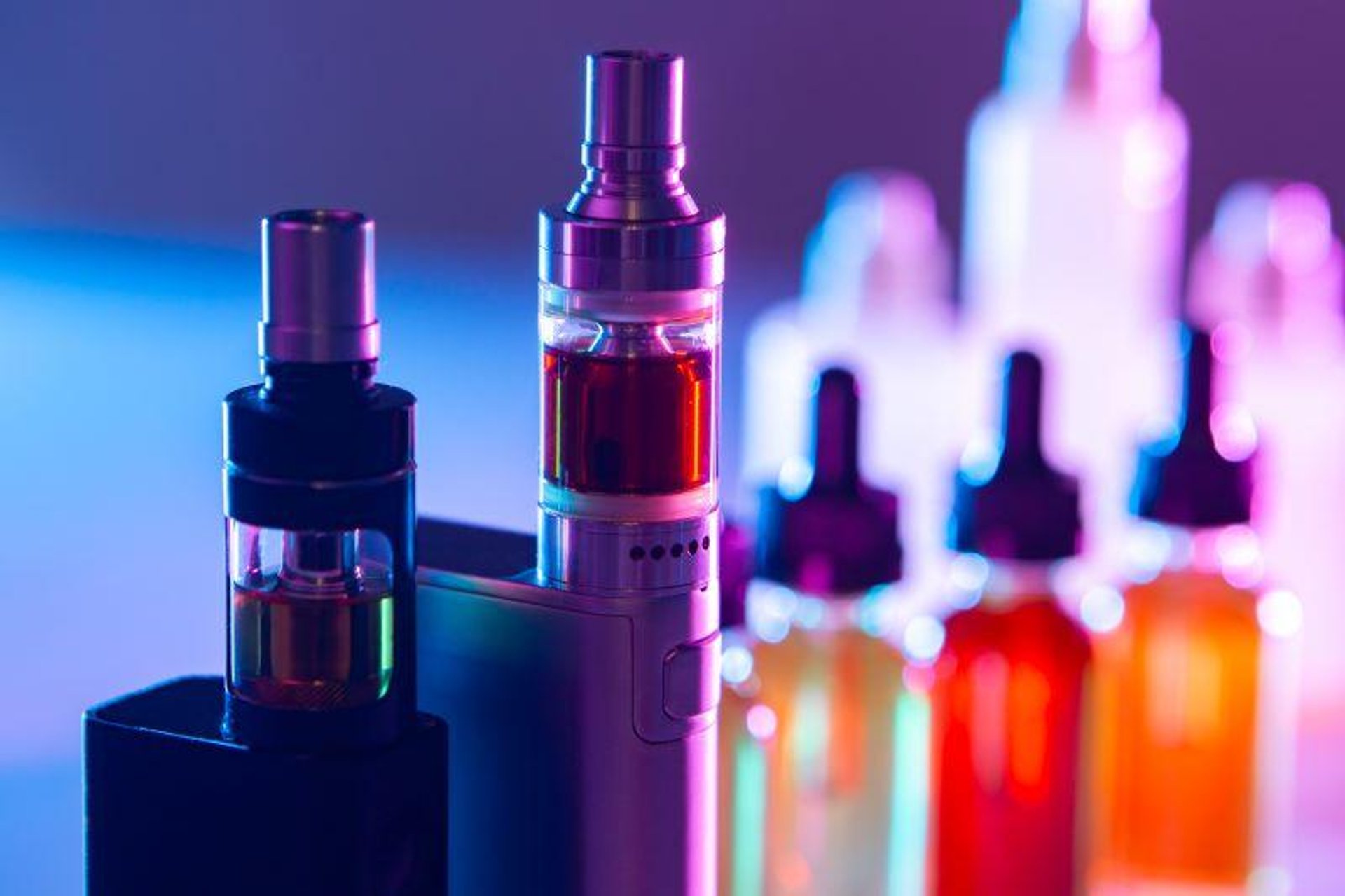
Authors say these changes coincide with restrictions on the sale of sweet and fruit-flavored e-cigarette products
MONDAY, Nov. 7, 2022 (HealthDay News) — The use of sweet and fruity flavor chemicals in tobacco-flavored electronic cigarette liquids (e-liquids) has increased, according to a study published online Nov. 3 in Tobacco Control.
Esther E. Omaiye, Ph.D., from the University of California in Riverside, and colleagues examined the evolving composition of tobacco-flavored e-liquids during the last 10 years.
The researchers found that tobacco-flavored products purchased in 2010 and 2011 generally had very few flavor chemicals, and their concentrations were generally very low. However, for tobacco-flavored refill fluids purchased in 2019 and Puff Bar Tobacco e-cigarettes, the total number and concentration of flavor chemicals were higher. Products with total flavor chemicals >10 mg/mL contained one to five dominant flavor chemicals (>1 mg/mL), with fruity and caramellic identified as the most frequently used flavor chemicals in tobacco-flavored e-liquids.
“There has been a recent stealth use of high concentrations of sweet and fruity confectionery-related flavor chemicals in ‘tobacco-flavored’ e-liquids. This change in tobacco e-liquid ingredients coincides with restrictions on the sale of sweet and fruity-flavored products,” the authors write. “There is a need for continued surveillance of e-liquids, particularly tobacco flavored, which may be manipulated to circumvent policies on flavor use.”
 Phthalates From Personal Care Products Tied to Higher BP in Pregnancy
  Heat-Not-Burn Tobacco, E-Cigarettes May Be Linked to Postoperative Recurrence of Crohn Disease
  Glyphosate Exposure During Pregnancy Linked to Preterm Birth
  Dietary Guideline Adherence in Pregnancy Tied to Lower Exposure to Some Chemicals
  Higher Parental Vitamin B12 Tied to Lower Prevalence of Birth Defects
  Paternal Exposure to Valproate Not Linked to Offspring Neurodevelopmental Disorders
  Dose-Dependent Link Seen for Clomiphene Citrate, Adverse Perinatal Outcomes
  Effect of Preparation Techniques Before Embryo Transfer Appears to Be Limited