



Significant increase seen in detection of flat adenomas with Paris classification 0 to IIb in patients with Lynch syndrome
THURSDAY, Jan. 5, 2023 (HealthDay News) — For patients with Lynch syndrome (LS), artificial intelligence (AI)-assisted colonoscopy is promising for detecting adenomas, especially flat adenomas, according to a study published online Dec. 26 in the United European Gastroenterology Journal.
Robert Hüneburg, M.D., from the National Center for Hereditary Tumor Syndromes at University Hospital Bonn in Germany, and colleagues examined the diagnostic performance of AI-assisted colonoscopy compared with high-definition white-light endoscopy (HD-WLE) in adult patients with LS, with a pathogenic germline variant (MLH1, MHS2, MHS6) and at least one previous colonoscopy (interval, 10 to 36 months). A total of 96 patients were included in the analysis.
The researchers found that adenomas were detected in 12 of 46 and 18 of 50 patients in the HD-WLE and AI arms, respectively (26.1 versus 36.0 percent). Detection of flat adenomas (Paris classification 0 to IIb) was increased significantly with use of AI-assisted colonoscopy (numbers of detected flat adenomas: 17 of 30 versus four of 20). There was no significant difference observed between the groups in the median withdrawal time.
“We here present first data suggesting that realâ€time AIâ€assisted colonoscopy is a promising approach to optimize endoscopic surveillance of Lynch patients, in particular to improve the detection of flat lesions that are easily missed,” the authors write. “Multicenter trials with large patient numbers are needed to clarify this clinical important question.”
Several authors disclosed financial ties to the pharmaceutical and medical device industries.
 Surveillance Colonoscopy at Five Years After Adenoma Removal Noninferior to Three Years
  Family History of CRC Increases CRC Risk Similarly in IBD, General Population
 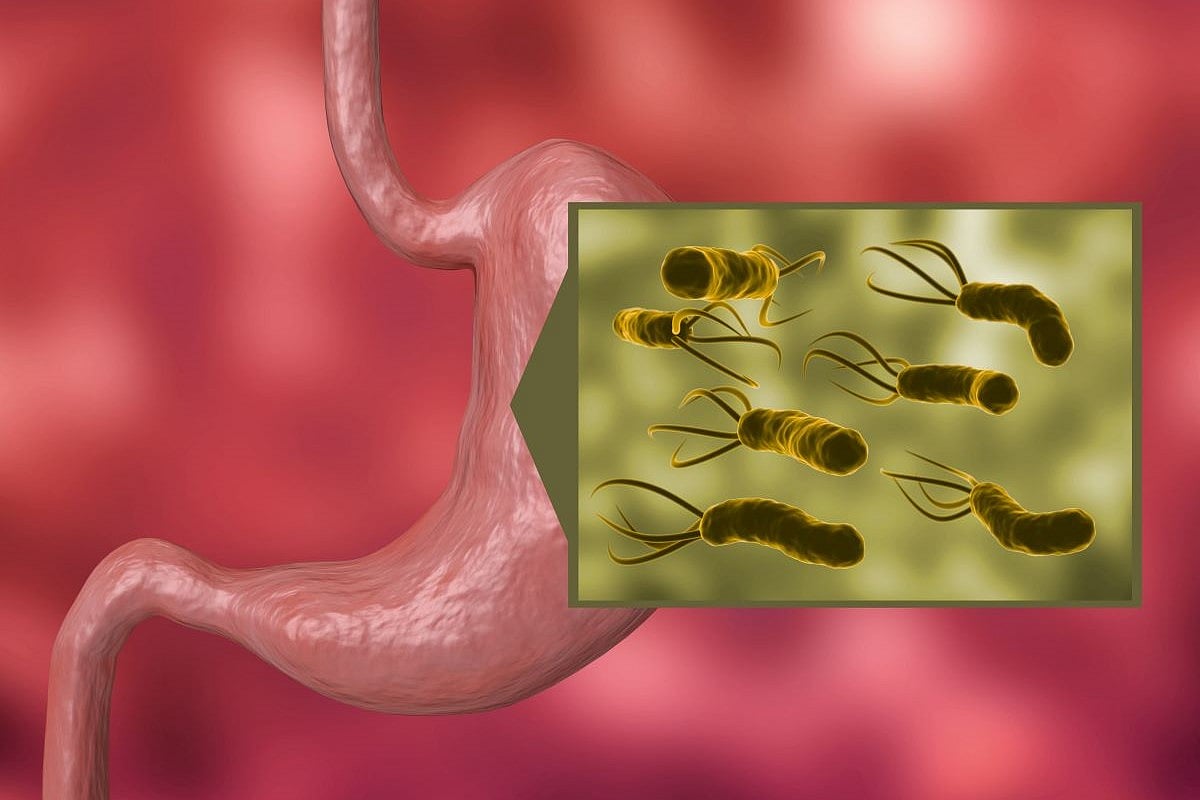 H. Pylori Exposure May Contribute to Global Burden of Colorectal Cancer
  Lower Breast, Cervical Cancer Screening Seen for Adults With Disabilities
  Gap Found Between Awareness of Breast Cancer Risk and Risk-Reducing Behavior
  Pre-Prostate Biopsy MRI Use Increased From 2017 to 2026
  Exercise Intervention Linked to Improved Attention, Memory in Breast Cancer
  Dense Breast Notification Linked to Increase in Use of Supplemental Ultrasound
 .jpg)




