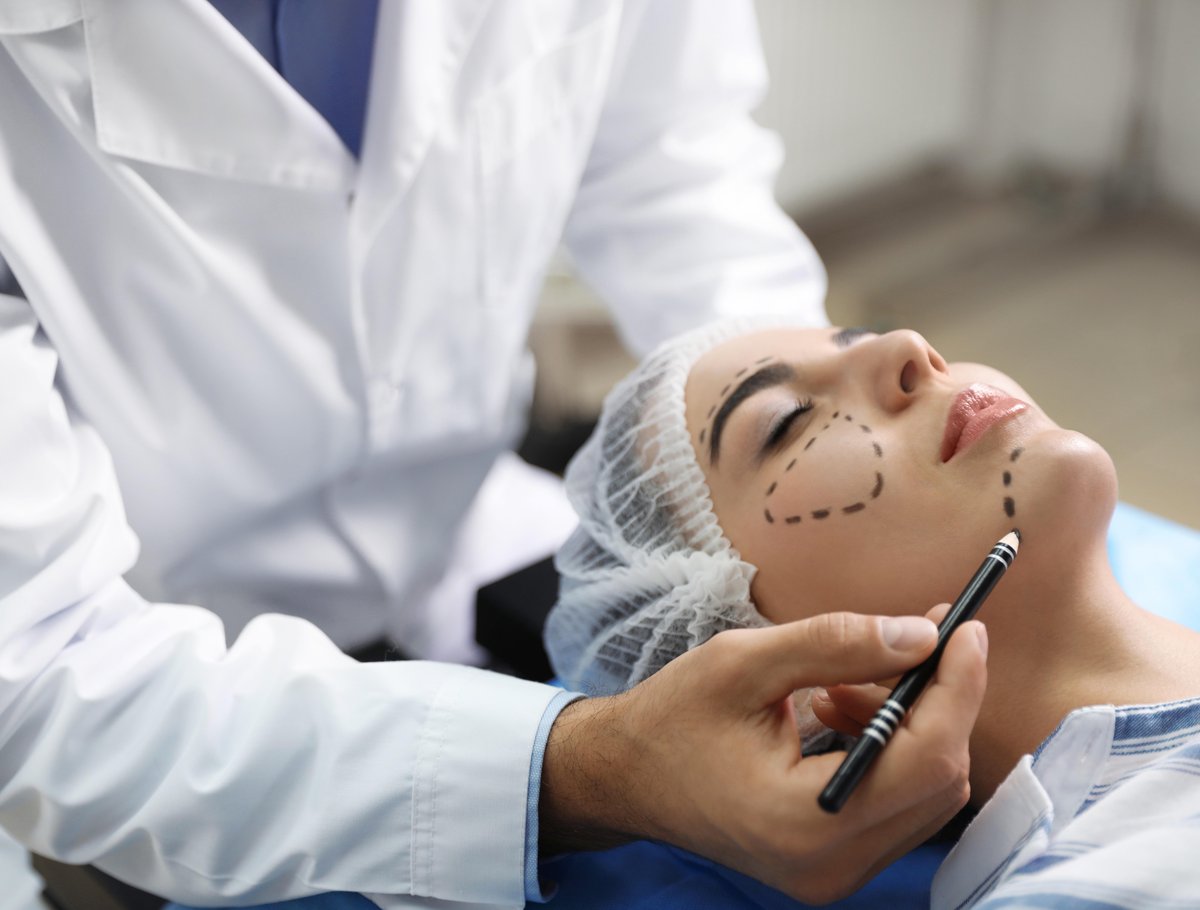
No increase seen in resident applications despite a very significant increase in integrated plastic surgery residency positions from 2010 to 2018
FRIDAY, Jan. 6, 2023 (HealthDay News) — The number of applicants to plastic surgery and other surgical residencies have changed only minimally, despite the increase in residency positions, according to a study published in the January issue of Plastic and Reconstructive Surgery.
Demetrius M. Coombs, M.D., from the Cleveland Clinic, and colleagues analyzed plastic surgery resident applicants and available positions from 2010 through 2018 and compared the data to four surgical and five nonsurgical specialties (integrated or independent plastic, general, or orthopedic surgery; neurosurgery; otolaryngology; anesthesiology; emergency, family, or internal medicine; and pediatrics).
The researchers found that during the study period, the number of integrated positions increased by 142 percent, while the number of integrated applicants increased only by 14.5 percent. Furthermore, the number of available independent positions decreased by 32.6 percent, while the number of independent applicants decreased by 43.9 percent. There was a decrease seen in applicants relative to positions across all surgical subspecialties (range, 9.9 to 24.8 percent). Conversely, nonsurgical fields increased both their number of positions (14 to 57.2 percent) and number of applicants (2.2 to 44.1 percent), with dramatic increases seen in applicants to emergency, family, and internal medicine (17 to 44.1 percent).
“Contributing factors may include medical school pressures, lifestyle concerns, and experience with various specialties during medical school,” the authors write. “Means of enhancing medical student exposure to plastic surgery are suggested.”
 Adenotonsillectomy Tied to Increase in Respiratory Tract Infections in Children
  Robotic Arm-Assisted TKR Offers Similar Outcome to Conventional TKR
  Preoperative Chemo + Immunotherapy Combo Shrinks Head, Neck Cancer Tumors
  Safety Intervention Reduces Incidence of Postoperative Endophthalmitis
  First Metatarsophalangeal Joint Arthrodesis Eases Painful Hallux Rigidus
  Full, Limited Functional Endoscopic Sinus Surgery Beneficial in Rhinosinusitis With Nasal Polyps
  Plasmapheresis Linked to Improved Outcomes for MOGAD Attacks