



Furthermore, many women do not know actions to cut breast cancer risk
MONDAY, Jan. 30, 2023 (HealthDay News) – Most women perceive family history as the greatest risk factor for breast cancer, according to a study published online Jan. 23 in JAMA Network Open.
Laura B. Beidler, from Dartmouth College in Hanover, New Hampshire, and colleagues assessed women’s perception of breast density compared to five other breast cancer risks and their understanding of risk reduction. The analysis was based on responses from 2,306 women (aged 40 to 76 years) who completed the telephone survey.
The researchers found that half of respondents thought breast density is a greater risk than not having children (52 percent), having more than one alcoholic drink per day (53 percent), or having a prior breast biopsy (48 percent). The vast majority of respondents thought breast density was a lesser risk than having a first-degree relative with breast cancer (93 percent) or having overweight or obesity (65 percent). Of the 61 interviewed women, only 10 percent identified breast density as contributing to breast cancer risk, and just over one-quarter (28 percent) stated they did not know whether it was possible to reduce their breast cancer risk.
“Comprehensive education about breast cancer risks and prevention strategies is needed,” the authors write. “Despite laws that require women to be notified about breast density, women did not describe a strong understanding of the risk associated with breast density relative to other breast cancer risk factors.”
One author disclosed financial ties to Gilead Sciences.
 Gap Found Between Awareness of Breast Cancer Risk and Risk-Reducing Behavior
  Exercise Intervention Linked to Improved Attention, Memory in Breast Cancer
 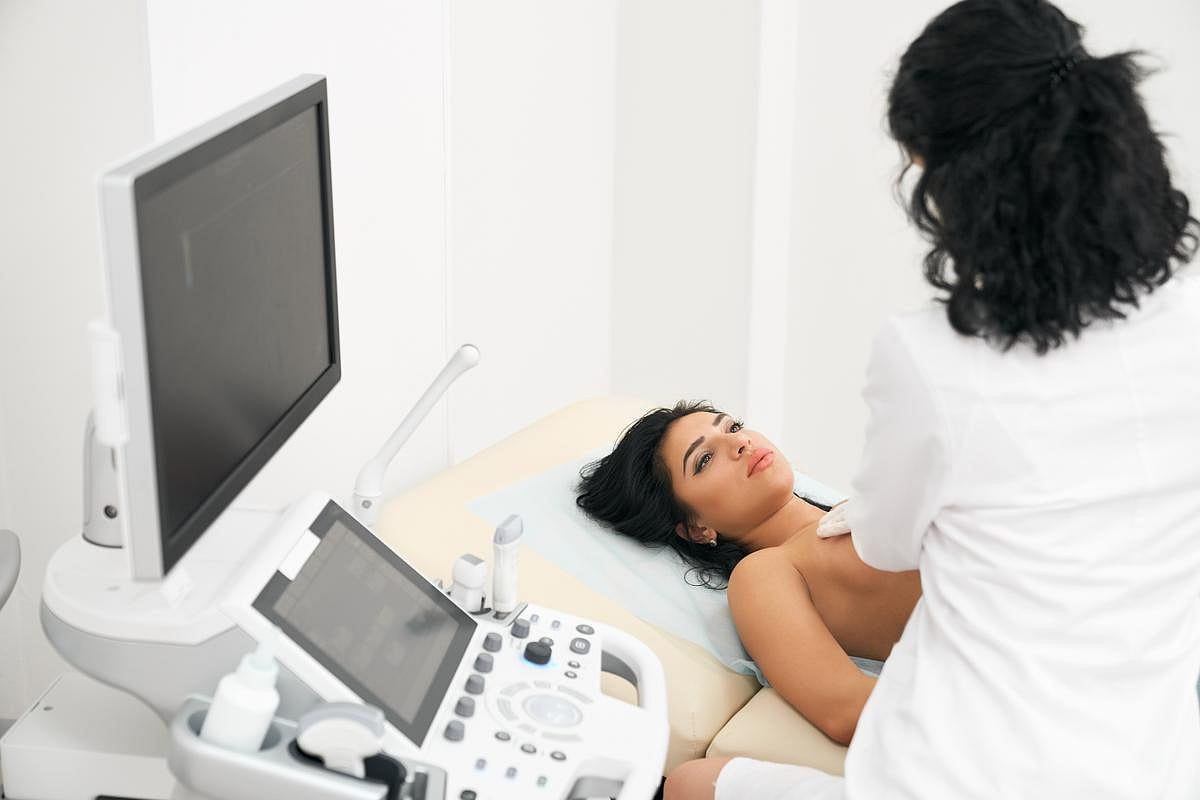 Dense Breast Notification Linked to Increase in Use of Supplemental Ultrasound
  Mammography Trials Yield Excess-Incidence Patterns Consistent With Low Overdiagnosis
  Lower Breast, Cervical Cancer Screening Seen for Adults With Disabilities
  Alcohol-Attributable Cancer Mortality Has Increased Significantly in the U.S.
  Chemo-Free Combo of Four Targeted Therapies Shows Promise in Metastatic Breast Cancer
  AMH Predicts Benefit of Chemo + Endocrine Therapy in Under 55s With Breast Cancer
 .jpg)




