Overall cancer mortality rates about 1.6 to 2.8 times higher for those with ≤12 years versus ≥16 years of education
WEDNESDAY, Nov. 22, 2023 (HealthDay News) — Factors contributing to disparities in cancer death include race/ethnicity, socioeconomic status, geographic location, and age, according to a study published online Nov. 14 in CA: A Cancer Journal for Clinicians.
Farhad Islami, M.D., Ph.D., from the American Cancer Society in Atlanta, and colleagues updated data on racial, ethnic, socioeconomic, and geographic disparities in cancer occurrence and outcomes and contributing factors to these disparities.
The researchers found that Black and American Indian/Alaska Native people continued to bear a disproportionately higher burden of cancer deaths overall and from major cancers during 2016 through 2020. Among Black and White men and women, overall cancer mortality rates were about 1.6 to 2.8 times higher for those with ≤12 years of education versus those with ≥16 years of education. The largest Black-White disparities in overall cancer mortality were seen among individuals with ≥16 years of education. Substantially higher mortality rates from all cancer and from leading causes of cancer death were seen in nonmetropolitan areas versus large metropolitan areas; for colorectal cancer, mortality rates were 23 and 21 percent higher among men and women, respectively, in nonmetropolitan areas versus large metropolitan areas. Greater racial and geographic disparities in cancer mortality were seen for those younger than 65 years versus 65 years of age or older.
“Our research suggests a major role for socioeconomic disparities in racial disparities in cancer mortality,” Islami said in a statement. “It also shows substantial disparities in cancer occurrence and outcomes by geographic location, especially in younger ages.”
 AACR Annual Report Highlights Progress in Cancer Research
  Cancer Drug Shortages Persist at All Cancer Centers
  Relapse Rare After Appendiceal Adenocarcinoma Resection
  Lower Breast, Cervical Cancer Screening Seen for Adults With Disabilities
  Family History of CRC Increases CRC Risk Similarly in IBD, General Population
 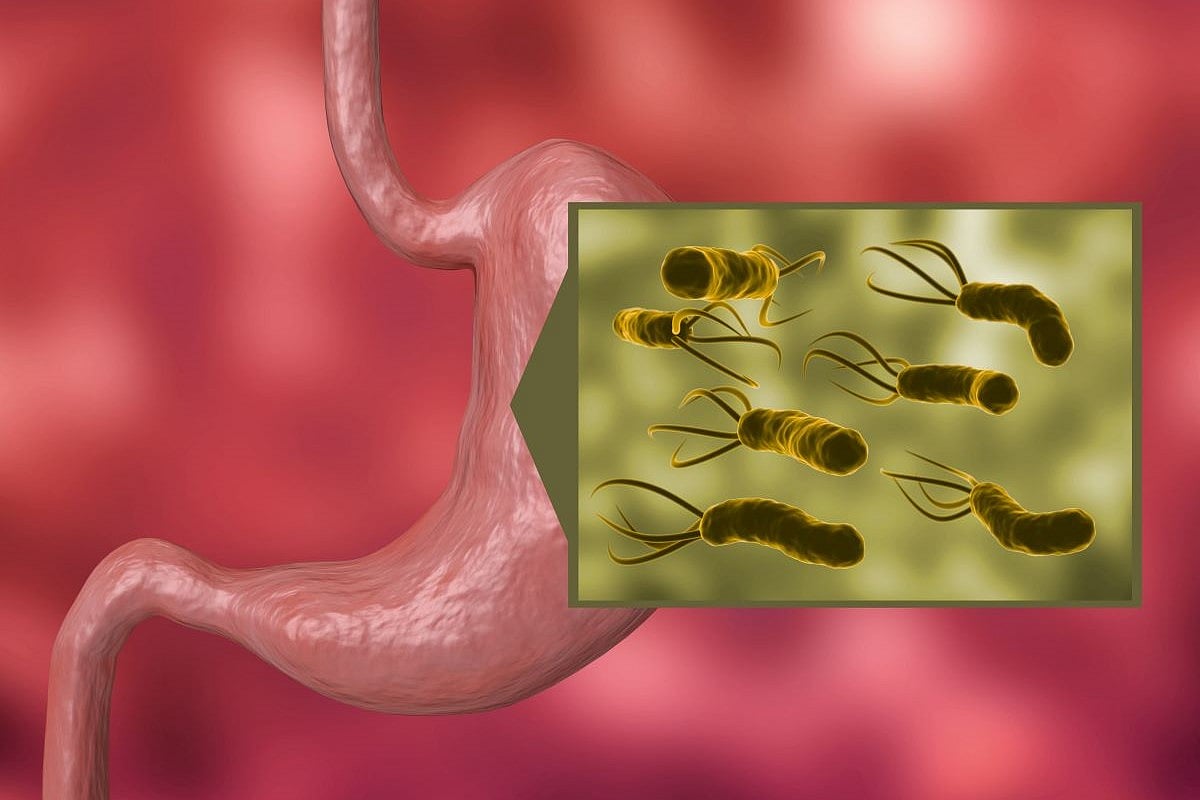 H. Pylori Exposure May Contribute to Global Burden of Colorectal Cancer
  Alcohol-Attributable Cancer Mortality Has Increased Significantly in the U.S.
  2005 to 2023 Saw More U.S. Women Never Screened for Cervical Cancer
.jpg)