


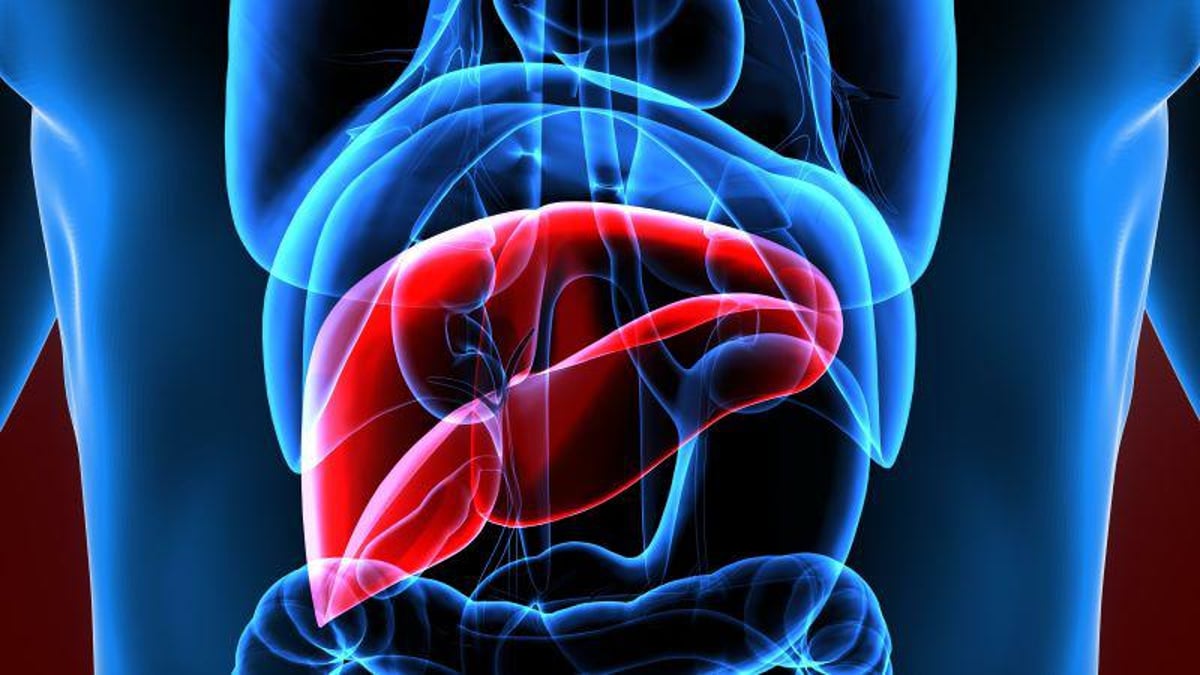
Prognostic liver signature validated in cohorts of patients with NAFLD, with and without history of hepatocellular carcinoma
TUESDAY, July 12, 2022 (HealthDay News) — A 113-gene signature may predict long-term risk for incident hepatocellular carcinoma (HCC) in patients with nonalcoholic fatty liver disease (NAFLD), according to a study published online June 22 in Science Translational Medicine.
Naoto Fujiwara, M.D., Ph.D., from the University of Texas Southwestern Medical Center in Dallas, and colleagues defined and validated hepatic transcriptome and serum secretome signatures predictive of long-term HCC risk in a cohort of 409 patients with NAFLD from multiple global regions.
The researchers found that during 15 years of longitudinal observation, a 113-gene signature, prognostic liver signature (PLS)-NAFLD, predicted incident HCC. In fibrotic portal tracts, high-risk PLS-NAFLD was associated with IDO1+ dendritic cells and dysfunctional CD8+ T cells, along with impaired metabolic regulators such as fibroblast growth factor 19 (FGF19), FGF21, and farnesoid X receptor signaling. In independent cohorts of patients with NAFLD who were HCC-naive or HCC-experienced, PLS-NAFLD was validated (HCC incidence rates at 15 years, 22.7 and 0 percent in high- and low-risk patients, respectively; de novo recurrence rates at five years, 71.8 and 42.9 percent in high- and low-risk patients, respectively). PLS-NAFLD was translated bioinformatically into a four-protein secretome signature (PLSec-NAFLD), which was validated in an independent cohort of HCC-naive patients with NAFLD and cirrhosis (HCC incidence rates at 15 years, 37.6 and 0 percent in high- and low-risk patients, respectively).
“This test was especially good at telling us who was in that low-risk group,” a coauthor said in a statement. “We can much more confidently say now that those patients don’t need to be followed very closely.”
Several authors disclosed financial ties to the biopharmaceutical industry.
Abstract/Full Text (subscription or payment may be required)
 Steatotic Liver Disease Risk Scores Compared for Predicting Cirrhosis
  Cirrhosis Can Recur After Liver Transplant
  Gene Mutation Identified That Increases Lung Cancer Risk
  Genetics, Diabetes Tied to MASLD-Associated Cirrhosis Before Age 50
  GLP-1 Receptor Agonists, SGLT-2is Slow Renal Function Decline in T2D With Albuminuria
  Family History of CRC Increases CRC Risk Similarly in IBD, General Population
  Study IDs Risk Factors for Ketoacidosis in Adults With T2D Receiving SGLT2 Inhibitors
  Relapse Rare After Appendiceal Adenocarcinoma Resection


.jpg)

