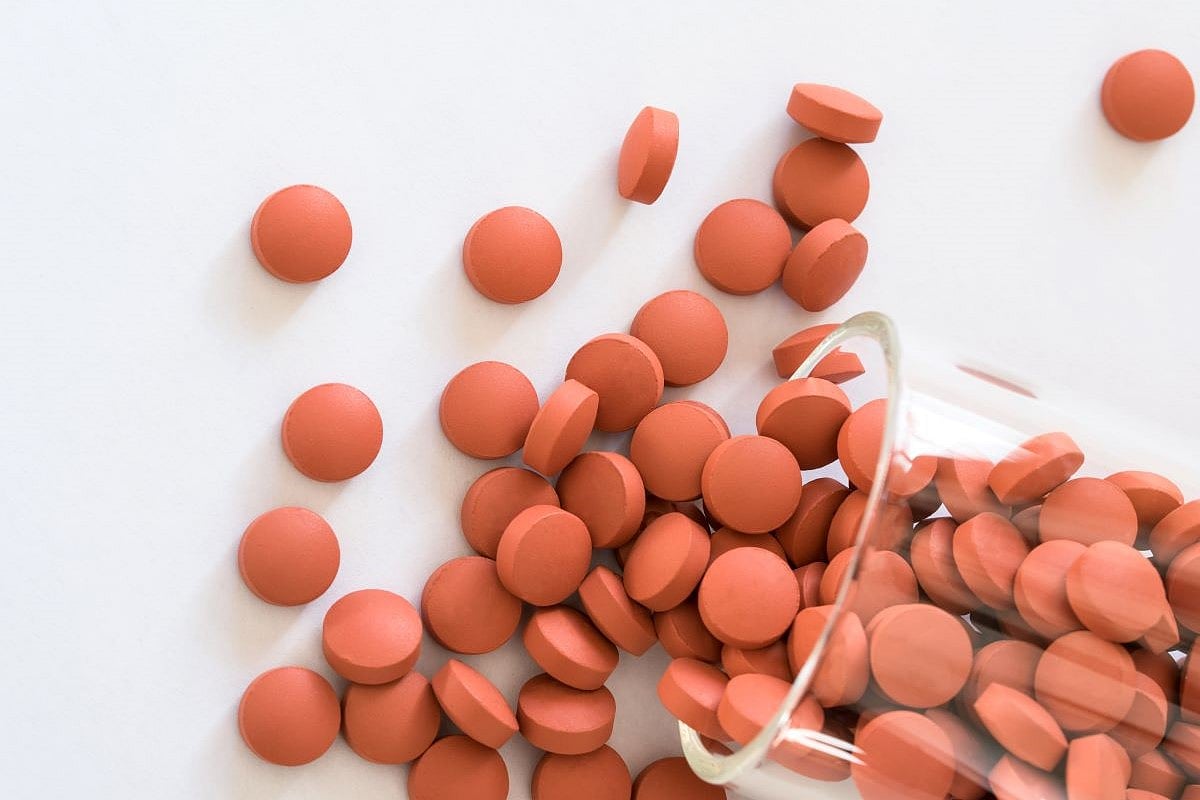
Findings seen for body weight, body fat percentage, weight loss, and weight regain
MONDAY, March 4, 2024 (HealthDay News) — The addition of supervised exercise to obesity pharmacotherapy improves healthy weight maintenance after treatment termination, according to a study published online Feb. 19 in eClinicalMedicine.
Simon Birk Kjær Jensen, Ph.D., from the University of Copenhagen in Denmark, and colleagues investigated whether weight loss and improved body composition are sustained better at one year after termination of active treatment with a glucagon-like peptide-1 (GLP-1) receptor agonist, a supervised exercise program, or both combined for one year. The analysis included 109 adults with obesity who achieved an eight-week low-calorie diet-induced weight loss of 13.1 kg and were randomly assigned (1:1:1:1) to one-year weight loss maintenance with supervised exercise, once-daily GLP-1 receptor agonist liraglutide, the combination of exercise and liraglutide, or placebo.
The researchers found that from random assignment to one year after termination of combined exercise and liraglutide treatment, participants had lower body weight (−5.1 kg) and body fat percentage (−2.3 percent points) compared with after termination of liraglutide alone. More participants maintained a weight loss of ≥10 percent of initial body weight one year after treatment termination in the combination treatment group versus participants who received placebo (odds ratio, 7.2) or liraglutide (odds ratio, 4.2). Compared with placebo, more participants who received supervised exercise maintained a weight loss of ≥10 percent (odds ratio, 3.7). Weight regain during the year after termination was greater after termination of liraglutide (6.0 kg) versus after termination of combination treatment (2.5 kg) or supervised exercise alone.
“The study almost makes me want to advise against medical treatment without increased physical exercise,” lead author Signe Sørensen Torekov, Ph.D., also from the University of Copenhagen, said in a statement. “We need to stop thinking that people who weigh less also exercise more, because that is simply not the case. It requires structure, support, and habit building.”
Several authors disclosed ties to the pharmaceutical industry. Novo Nordisk A/S supplied study medication.
 Calorie Restriction and Mediterranean-Style Diet Yield Similar Weight Loss
  Paternal Exposure to Valproate Not Linked to Offspring Neurodevelopmental Disorders
  Strength Training May Cut GDM Risk in Pregnant Women With Overweight, Obesity
  Drug Retention in Spondyloarthritis Varies With Socioeconomic Status
  Timing of JAK Initiation, Shingles Vaccine Administration Can Affect Outcomes in RA
  Bimekizumab Well Tolerated, Efficacious Over Three Years in Axial Spondyloarthritis
  Longer Persistence Seen With Upadacitinib Versus TNFi in Rheumatoid Arthritis
  Achieving Low Serum Urate Levels Can Cut Risk for Cardiovascular Events in Gout