Additionally, proportion of patients who accessed their reports before the ordering provider increased
MONDAY, April 1, 2024 (HealthDay News) — Following Cures Act implementation, the time for patients to access imaging results decreased, while the proportion of patients who accessed their reports before the ordering provider increased, according to a study published online March 27 in the American Journal of Roentgenology.
Jordan R. Pollock, from the Mayo Clinic in Phoenix, and colleagues compared patient access of radiology reports before and after implementation of the information-blocking provisions of the 21st Century Cures Act. The analysis included 1.19 million examinations (388,921 patients) occurring in 2021 and 2022.
The researchers found that 77.5 percent of reports were accessed by the patient before implementation compared with 80.4 percent after implementation. Median time from report finalization to report release in the patient portal dropped from 36.0 hours before implementation to 0.4 hours after implementation, while median time from report release to first patient access in the portal dropped from 8.7 hours to 3.0 hours. There was an increase seen in the percentage of reports that were accessed by the patient before the ordering provider, from a total of 18.5 percent before implementation to 44.0 percent after implementation. Median time from report release to first patient access was shorter in younger patients versus older patients (1.8 hours for patients younger than 60 years versus 4.3 hours for patients aged 60 years and older).
“Radiologists should consider mechanisms to ensure timely and appropriate communication of important findings to ordering providers,” the authors write.
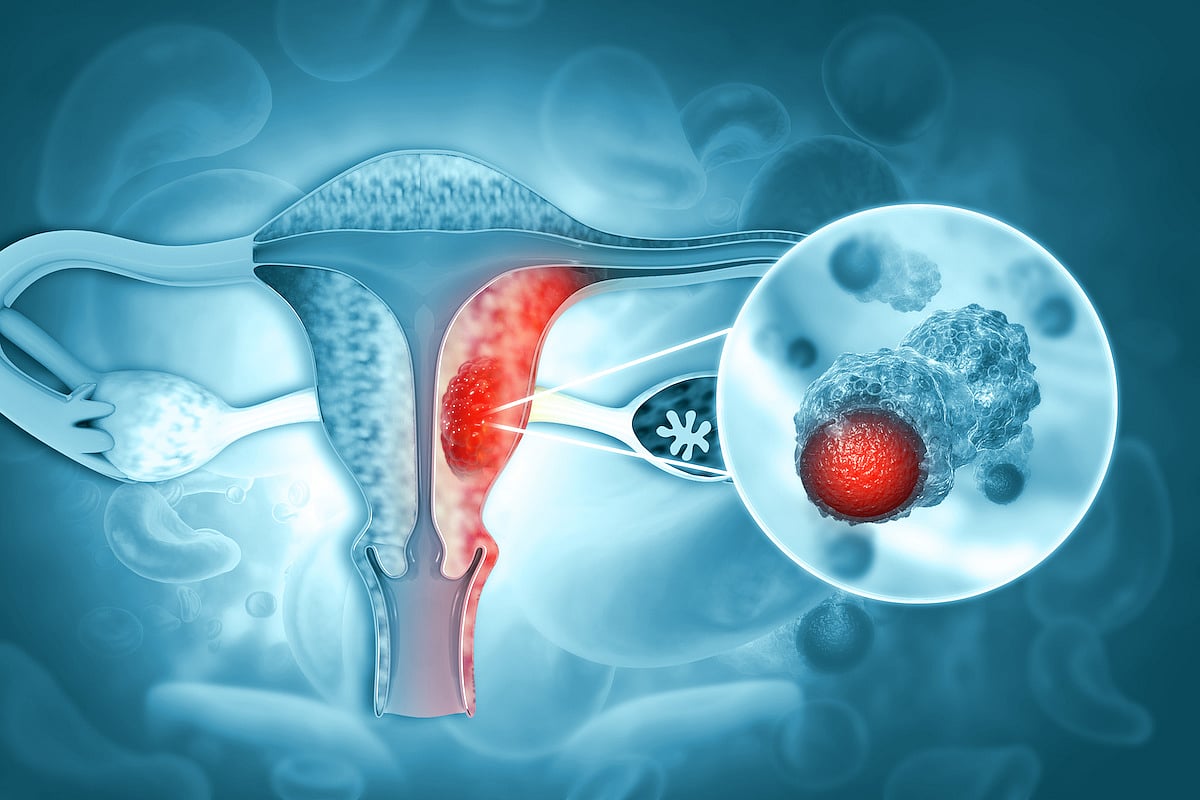 Catheter-Based OCT May Help ID Early Endometrial Cancer
 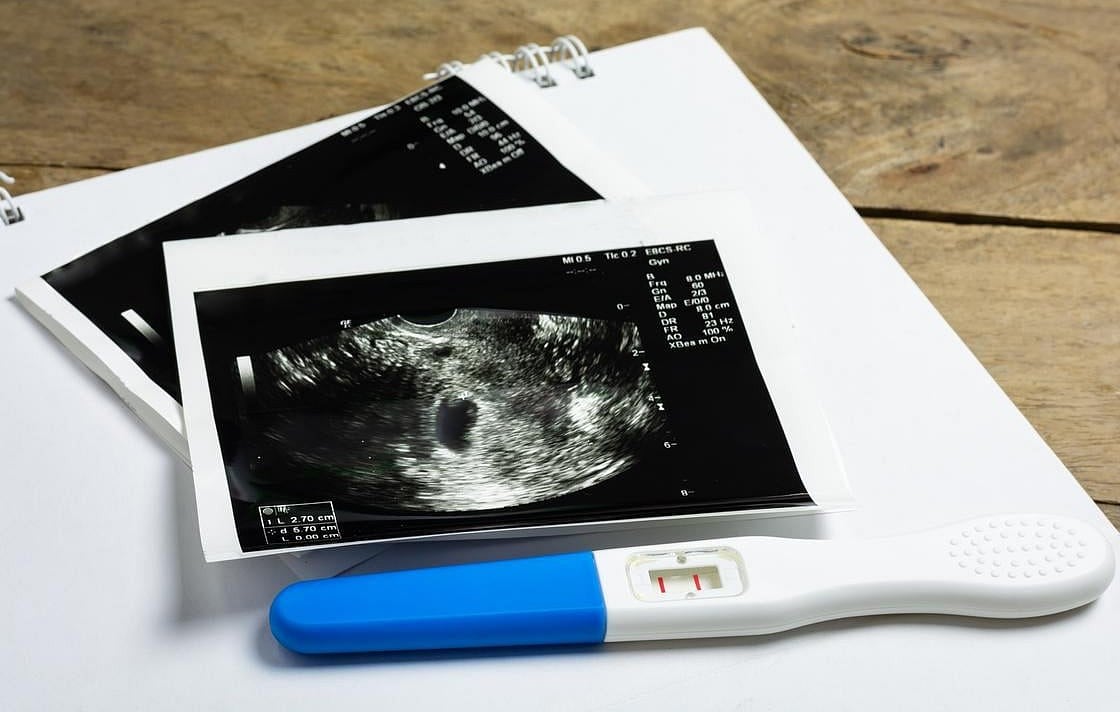 Wearable Ultrasound Patch Provides Continuous Fetal Monitoring
  Volume Rendering of Myocardium, Cardiac Valves Enables Visualization
  Non-Children"s Hospitals More Commonly Use Imaging Exposing Children to Ionizing Radiation
  Unintentional Ingestion of Recreational Drugs Increased, Especially Since 2013
  Protocol IDs Patients Who Can Be Treated While Seated in the ED
  Inclined Sleeper-Associated Sudden Unexpected Infant Deaths Continued After Recall
 .jpg) Bypassing the Closest Surgical Site for Urgent Care Tied to Worse Outcomes
Bypassing the Closest Surgical Site for Urgent Care Tied to Worse Outcomes