


Authors suggest limiting duration of oral corticosteroid treatment to 90 days or less to reduce risk of adverse effects
WEDNESDAY, July 24, 2024 (HealthDay News) — Use of oral corticosteroids for >90 days during one year is associated with a slightly increased risk of adverse events (AEs), according to a study published online July 19 in JAMA Network Open.
Yong Hyun Jang, M.D., Ph.D., from Kyungpook National University in Daegu, South Korea, and colleagues examined the association between long-term exposure to oral corticosteroids and occurrence of 11 AEs among adult patients with atopic dermatitis. Analysis included 164,809 cases and 328,303 controls.
The researchers found that 3.4 percent of cases and 3.2 percent of controls were exposed to oral corticosteroids for >30 days, while 0.4 percent in both groups were exposed to oral corticosteroids for >90 days. There was no increased risk of AEs with use of oral corticosteroids for >30 days (adjusted odds ratio, 1.00; 95 percent confidence interval, 0.97 to 1.04). However, the risk was higher with use of oral corticosteroids for >90 days (adjusted odds ratio, 1.11; 95 percent confidence interval, 1.01 to 1.23). For each cumulative or consecutive year of ever long-term use, there was a small elevation of risk for experiencing an AE.
“This study suggests that for patients with exacerbations of atopic dermatitis, limiting the duration of oral corticosteroid treatment to 90 days or less may limit adverse effects,” the authors write.
Several authors disclosed ties to the pharmaceutical industry.
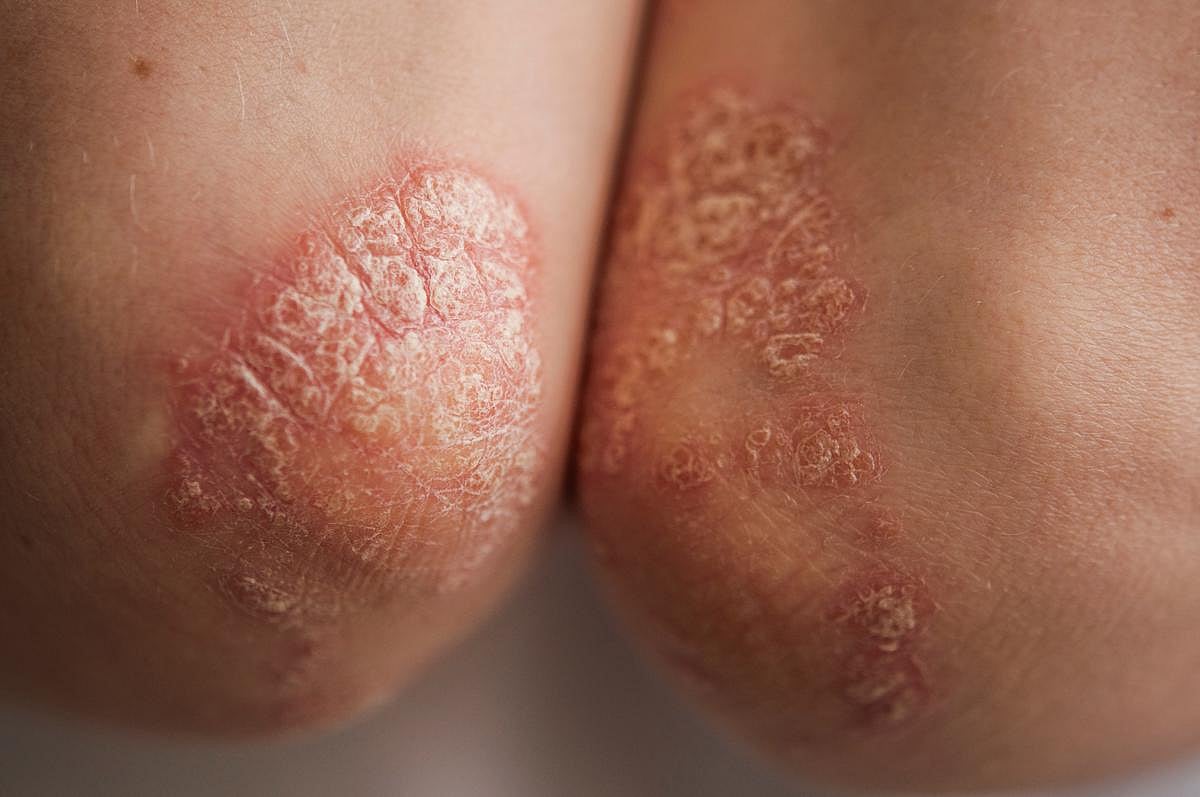 Mortality, Comorbidity Risk Increased With Generalized Pustular Psoriasis
  Dexamethasone Eye Drops Can Reduce Progression to ROP Requiring Treatment
 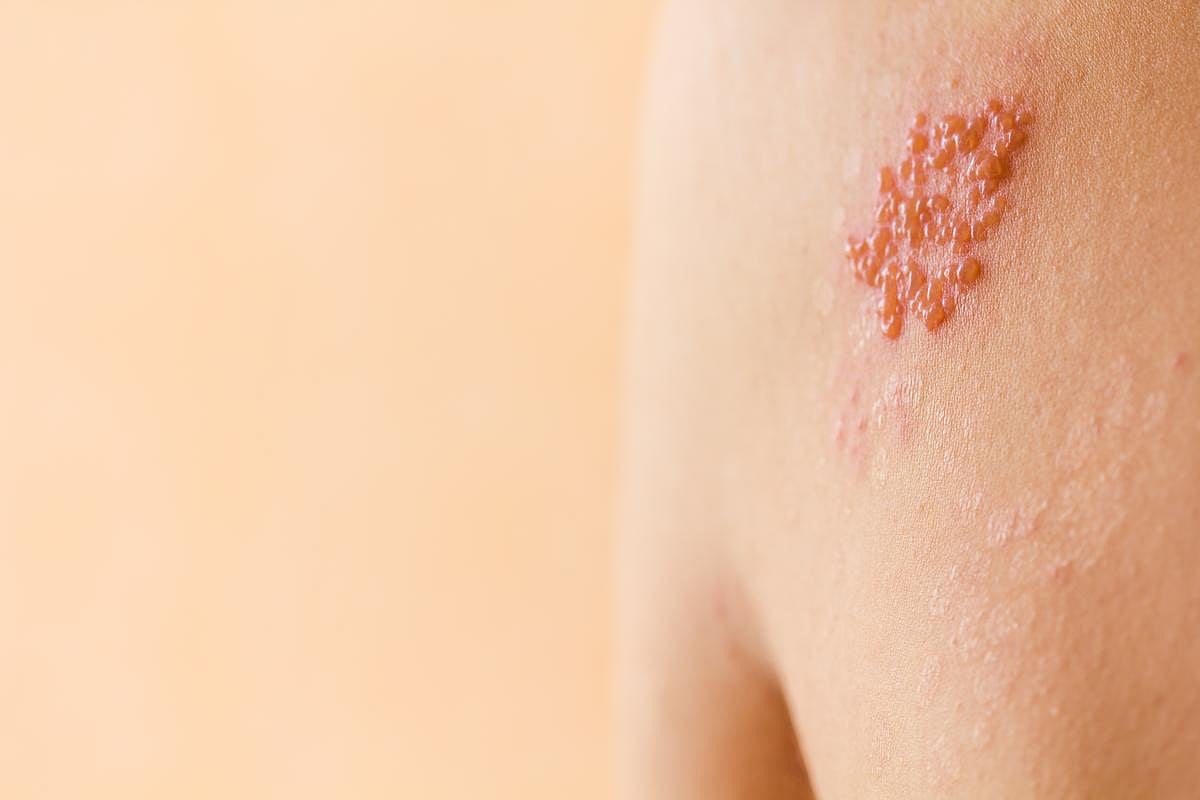 Risk for Herpes Zoster Elevated for Individuals With Atopic Dermatitis
  Plasmapheresis Linked to Improved Outcomes for MOGAD Attacks
  Virtual Reality-Based Digital Defocus Vision Training May Aid Myopia in Children
  Highly Aspherical Lenslets Effective for Reducing Myopia Progression in Children
 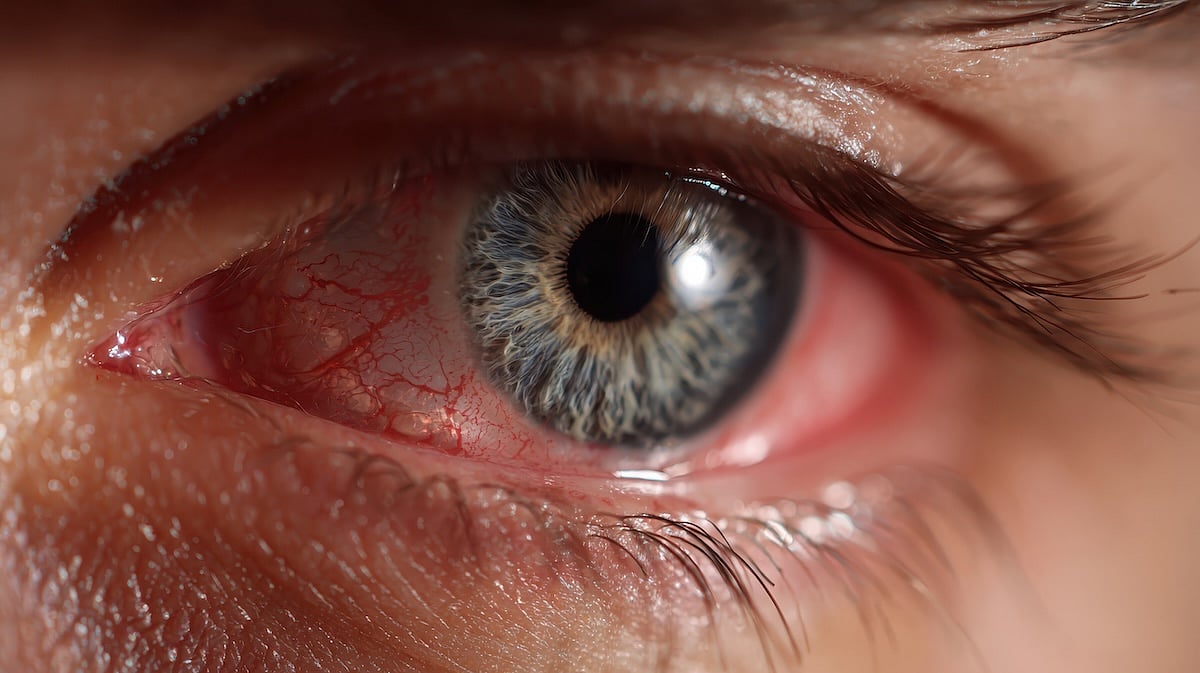 Safety Intervention Reduces Incidence of Postoperative Endophthalmitis


.jpg)

