


Findings seen among veterans, particularly young veterans, with comorbid PTSD and diabetes
THURSDAY, Aug. 15, 2024 (HealthDay News) — No longer meeting diagnostic criteria for posttraumatic stress disorder (PTSD) is associated with a lower risk for poor diabetes outcomes, particularly among younger veterans, according to a study published online Aug. 13 in JAMA Network Open.
Jeffrey F. Scherrer, Ph.D., from the Saint Louis University School of Medicine, and colleagues examined the association between meeting diagnostic criteria for PTSD and risk for poor type 2 diabetes (T2D) outcomes among 10,002 veterans.
The researchers found that before controlling for confounding with entropy balancing, patients who no longer met PTSD diagnostic criteria had similar incidence rates for starting insulin (22.4 versus 24.4 per 1,000 person-years), poor glycemic control (137.1 versus 133.7 per 1,000 person-years), any microvascular complication (108.4 versus 104.8 per 1,000 person-years), and all-cause mortality (11.2 versus 11.0 per 1,000 person-years) compared with patients with persistent PTSD. However, when controlling for confounding, there was a lower risk for microvascular complications (hazard ratio [HR], 0.92) among those no longer meeting PTSD criteria. For younger veterans (ages 18 to 49 years), no longer meeting PTSD criteria was associated with a lower risk for insulin initiation (HR, 0.69) and all-cause mortality (HR, 0.39). No longer meeting PTSD criteria was also associated with a lower risk for insulin initiation among patients without depression (HR, 0.73).
“The findings of this study suggest that PTSD is a modifiable risk factor for some adverse T2D outcomes among patients with comorbid PTSD and T2D,” the authors write.
.jpg) Pregnancy Complications Linked to Subsequent Risk for Cardiometabolic-Renal Conditions
Pregnancy Complications Linked to Subsequent Risk for Cardiometabolic-Renal Conditions  GLP-1 Receptor Agonists, SGLT-2is Slow Renal Function Decline in T2D With Albuminuria
  Study IDs Risk Factors for Ketoacidosis in Adults With T2D Receiving SGLT2 Inhibitors
 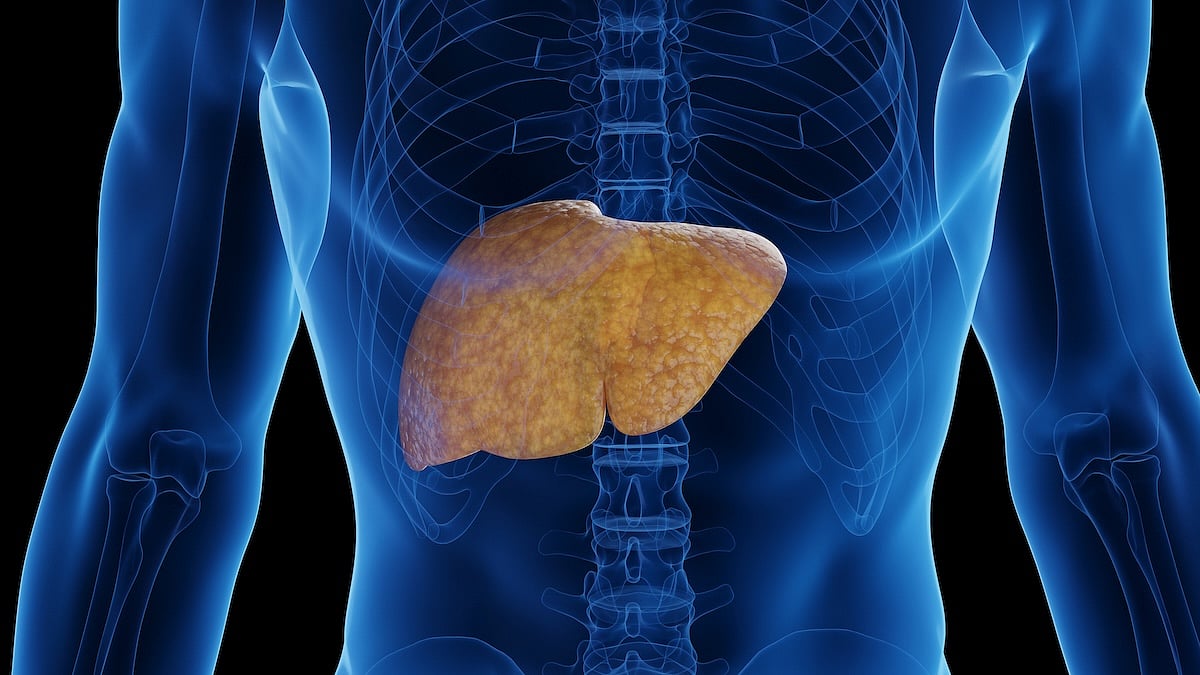 Genetics, Diabetes Tied to MASLD-Associated Cirrhosis Before Age 50
  Steatotic Liver Disease Risk Scores Compared for Predicting Cirrhosis
 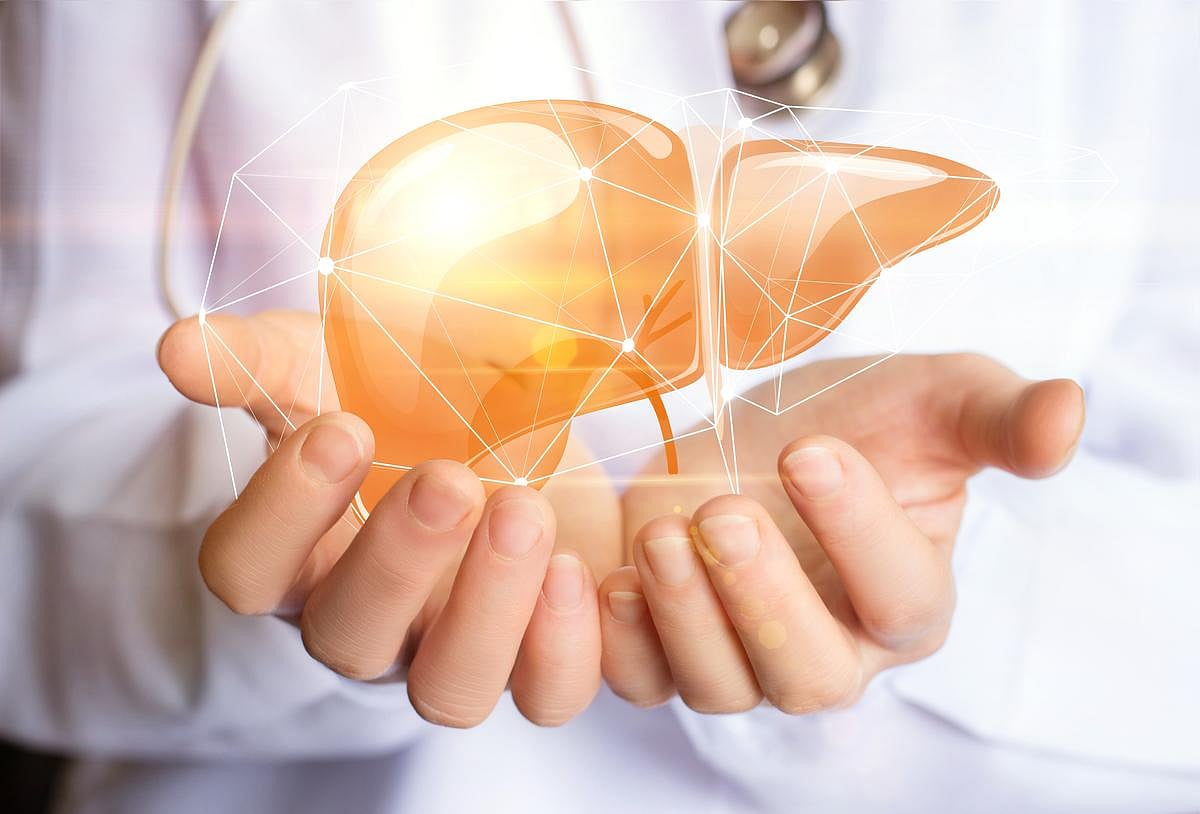 Cirrhosis Can Recur After Liver Transplant
 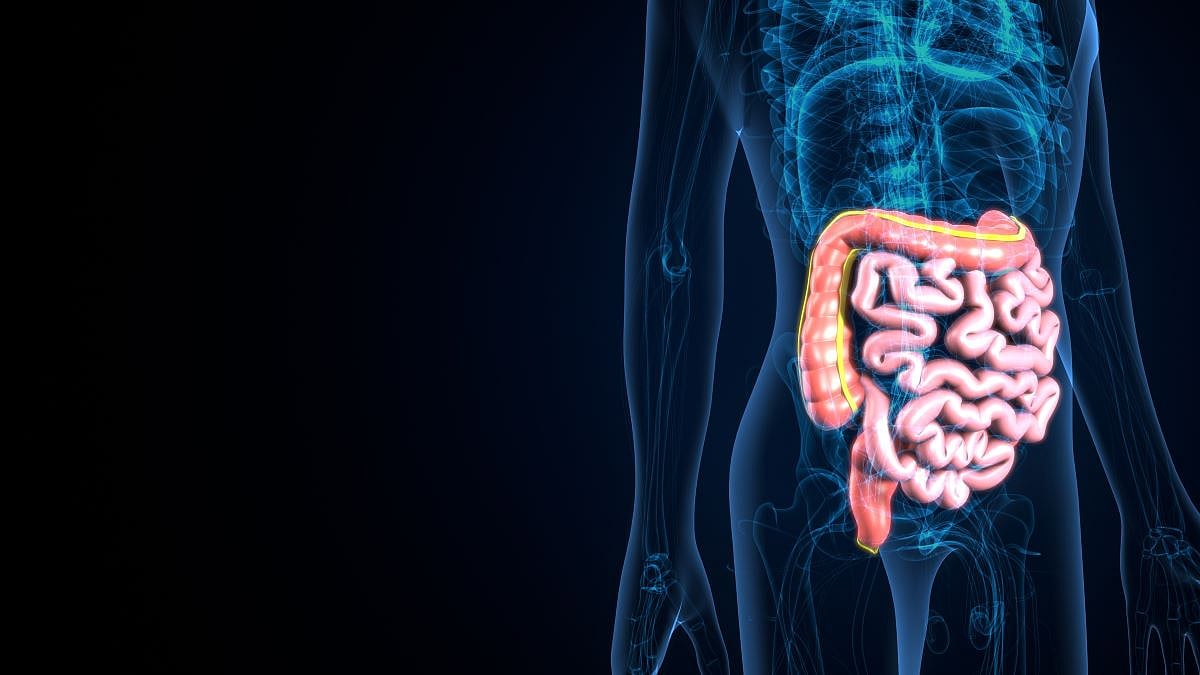 Family History of CRC Increases CRC Risk Similarly in IBD, General Population
 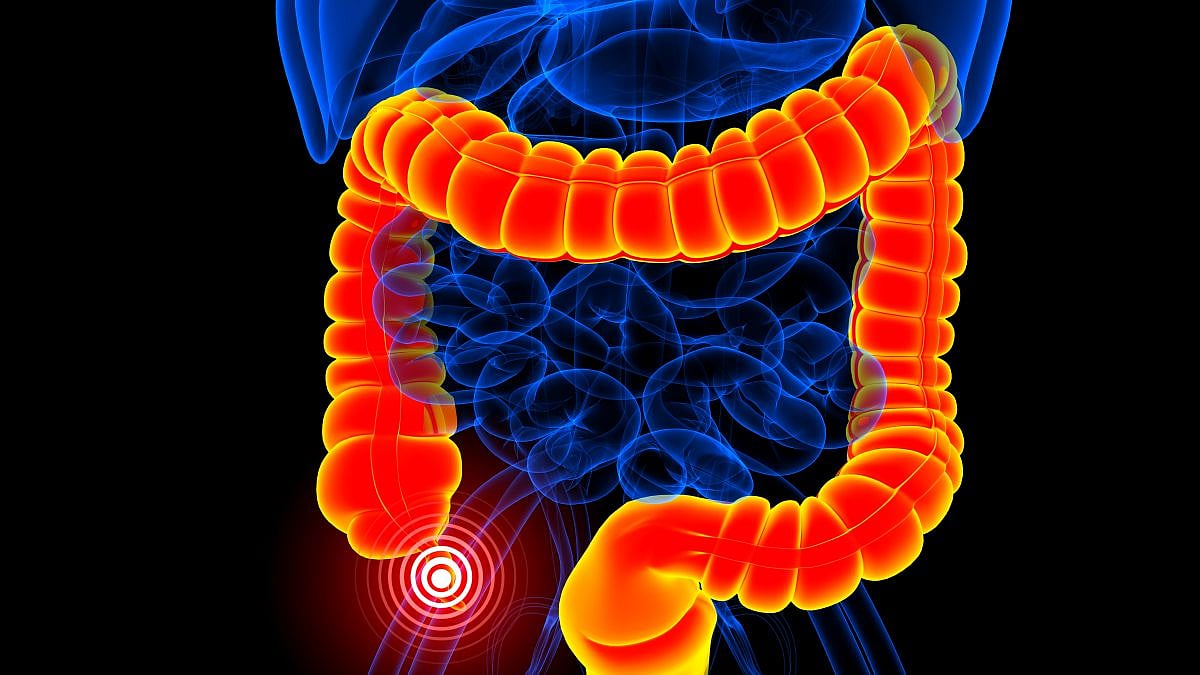 Relapse Rare After Appendiceal Adenocarcinoma Resection


.jpg)

