


Authors say findings show interplay between hormonal, lifestyle, and sociodemographic factors and cognitive health
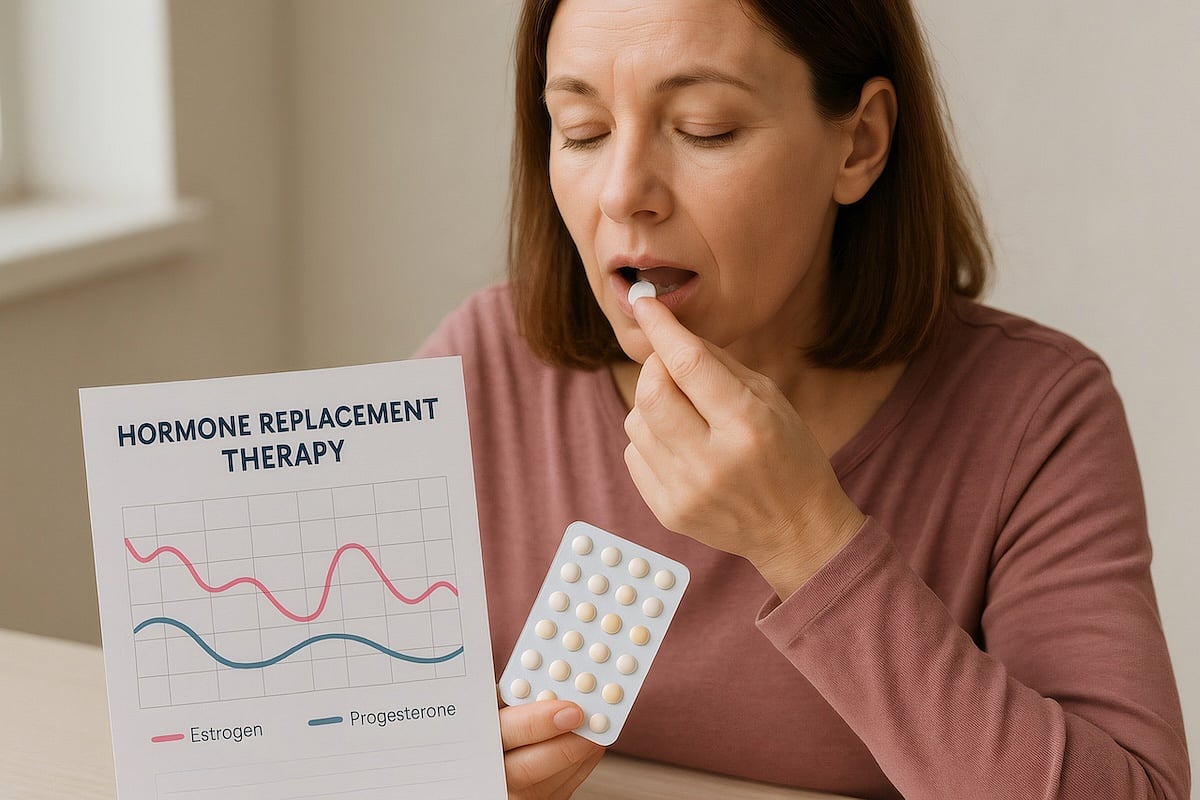
TUESDAY, Aug. 20, 2024 (HealthDay News) — Severe menopausal symptoms in postmenopausal women are associated with cognitive impairment, according to a study published online Aug. 13 in Menopause.
Andrés Calle, M.D., from Universidad Indoamérica in Quito, Ecuador, and colleagues evaluated the association between menopausal symptoms and cognitive decline in postmenopausal women. The analysis included 1,287 postmenopausal women (mean age, 55.5 years) attending gynecological consultations across nine Latin American countries.
The researchers found that 15.3 percent of women with mild cognitive impairment (MCI) exhibited significantly more intense menopausal symptoms versus those without MCI (Menopause Rating Scale [MRS] total score, 15.24 versus 10.53, respectively). There was a significant association between severe menopausal symptoms (MRS total score, ≥14 points) and MCI. Lower odds of MCI were seen with lower body mass index (odds ratio [OR], 0.96), sexual activity (OR, 0.70), physical exercise (OR, 0.55), menopausal hormone therapy use (OR, 0.36), and higher education level (OR, 0.31).
“This study showed a potential link between severe menopause symptoms and cognitive impairment in midlife women,” Stephanie Faubion, M.D., medical director of The Menopause Society, said in a statement. “The results also suggest a protective effect of lower body mass index, higher educational level, physical exercise, hormone therapy use, and sexual activity on cognition, highlighting the potential for targeted interventions to protect and preserve cognitive function in menopausal women.”
Two authors disclosed ties to the pharmaceutical industry.
Abstract/Full Text (subscription or payment may be required)
 Oral Menopausal Hormone Therapy Linked to Venous Thromboembolic Risk
  MHT Initiation May Reduce Cardiovascular Risk in Women With Vasomotor Symptoms
  Longer Reproductive Lifespan Tied to Lower Bronchiectasis Risk in Postmenopausal Women
  Midlife Onset of Increasing Pulse Pressure Not Linked to Menopause
 .jpg) Pregnancy Complications Linked to Subsequent Risk for Cardiometabolic-Renal Conditions
Pregnancy Complications Linked to Subsequent Risk for Cardiometabolic-Renal Conditions  Isometric Exercise Training Three Times a Week Preserves Cardiovascular Benefits
  IBD Not Linked to Risk for Hypertensive Disorders of Pregnancy Overall
  Mortality in Injured Children Linked to Higher SBP Thresholds Than Those That Define Hypotension



.jpg)
