Inequities persisted for both racial and ethnic groups and by socioeconomic factors
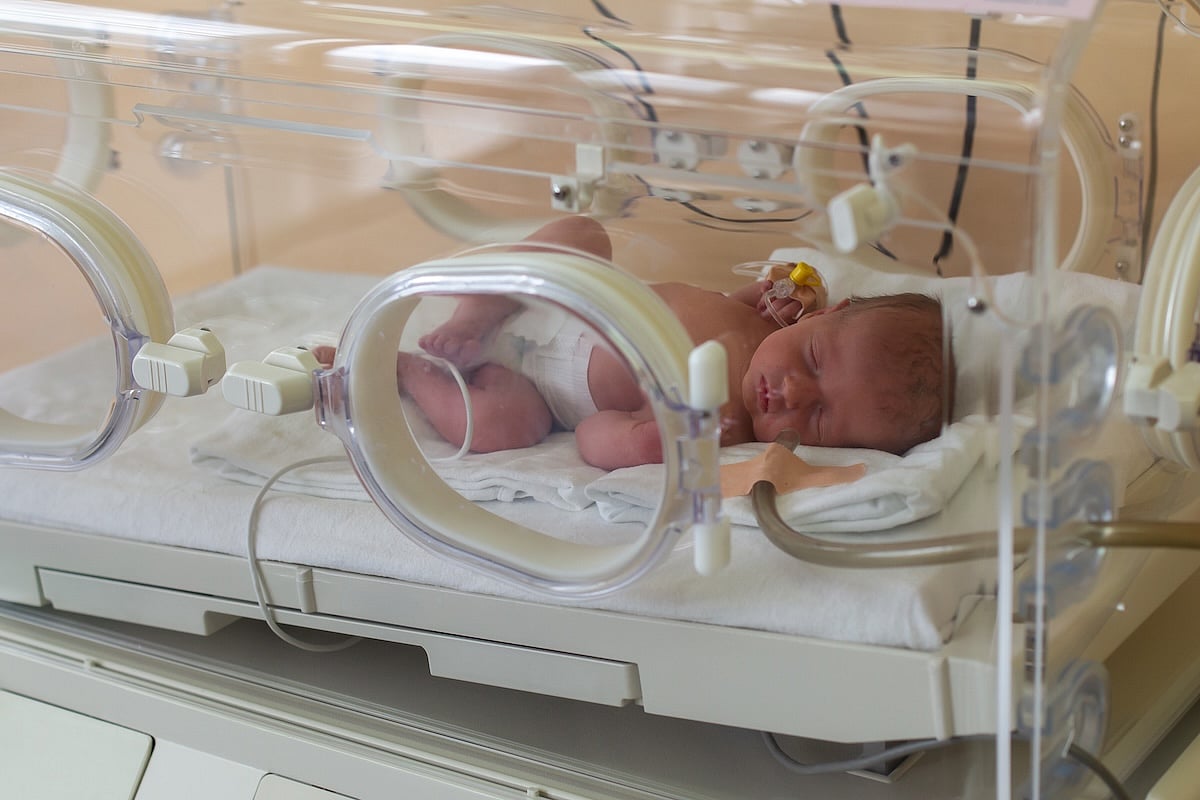
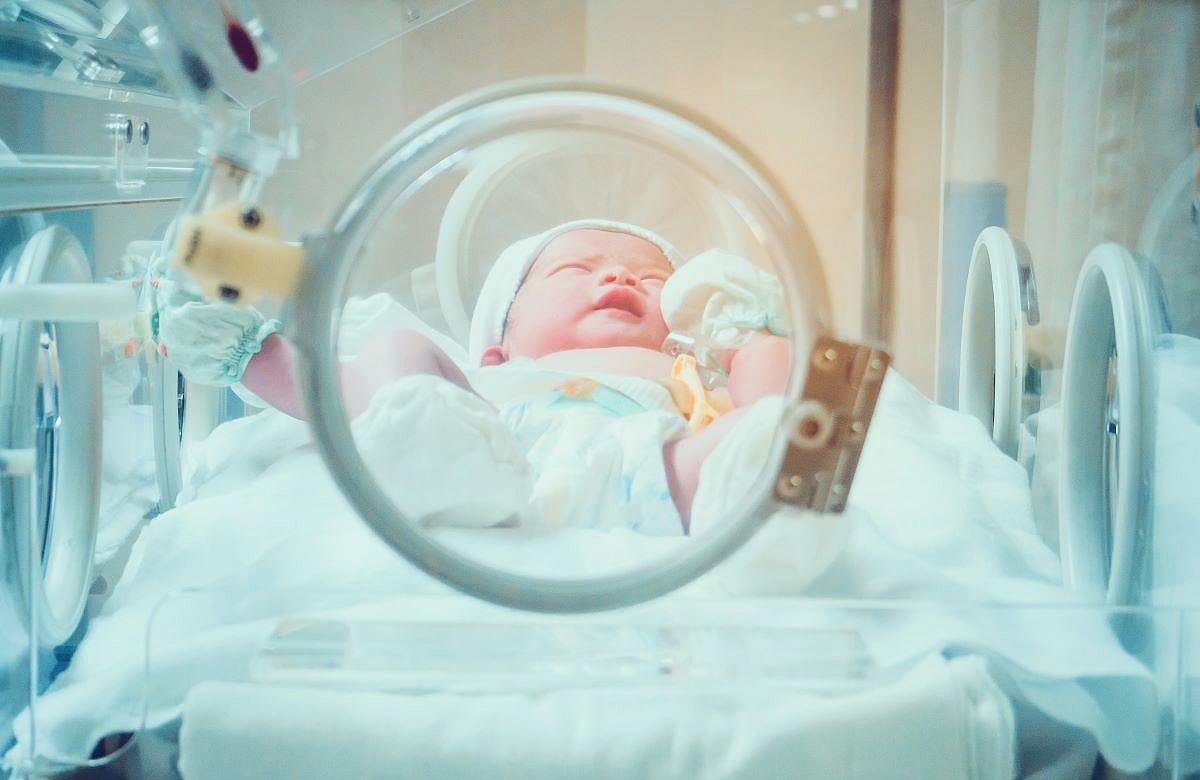
WEDNESDAY, Oct. 2, 2024 (HealthDay News) — Rates of preterm birth (PTB) increased between 2011 and 2022 in California across most groups, according to a study published online Sept. 27 in JAMA Network Open.
Laura L. Jelliffe-Pawlowski, Ph.D., from University of California, San Francisco, and colleagues sought to describe the association of PTB rates (gestational age <37 weeks) with inequities as well as related risk and protective factors over the past decade. The analysis included 5.4 million singleton live births in California (2011 through 2022).
The researchers found that from 2011 to 2022, the overall PTB rate increased from 6.8 to 7.5 percent (change, 10.6 percent; z score of 18.5). Differences in PTB rates and their changes were seen by racial and ethnic groups and insurance groups. In 2022, PTB rates ranged from 5.8 percent for White individuals with nonpublic insurance to 11.3 percent for Black individuals with public health insurance. PTB rates decreased from 9.1 percent in 2011 to 8.8 percent in 2022 (change, −3.5 percent; z score of −0.8) among Black individuals with nonpublic insurance, but increased from 6.4 to 9.5 percent (change, 49.8 percent; z score of 3.1) for American Indian or Alaska Native individuals with nonpublic insurance. Most groups saw increases in some risk factors (e.g., preexisting diabetes, sexually transmitted infections, mental health conditions), while decreases in some protective factors (e.g., participation in the California Women, Infants, and Children program) were seen mostly in low-income groups.
“These findings suggest that there is an urgent need to address factors associated with PTB at both the individual and population levels,” the authors write.
Several authors disclosed having a patent pending for tools related to predicting PTB and a model for identifying preterm infants at risk for adverse outcomes.
 Dexamethasone Eye Drops Can Reduce Progression to ROP Requiring Treatment
  Glyphosate Exposure During Pregnancy Linked to Preterm Birth
 .jpg) Hispanic Patients Face Delays in Frontotemporal Dementia Diagnosis
Hispanic Patients Face Delays in Frontotemporal Dementia Diagnosis  Adverse Pregnancy Outcomes Linked to Increased Risk for Peripheral Artery Disease
  Antenatal Complications Increased With Maternal Multiple Long-Term Conditions
  Strength Training May Cut GDM Risk in Pregnant Women With Overweight, Obesity
  Very Preterm Birth, Very Low Birth Weight Linked to Lower Positive Functioning in Early Adulthood
  GLP-1 Receptor Agonists Linked to Lower Mortality, Amputation Rate in PAD and Type 2 Diabetes