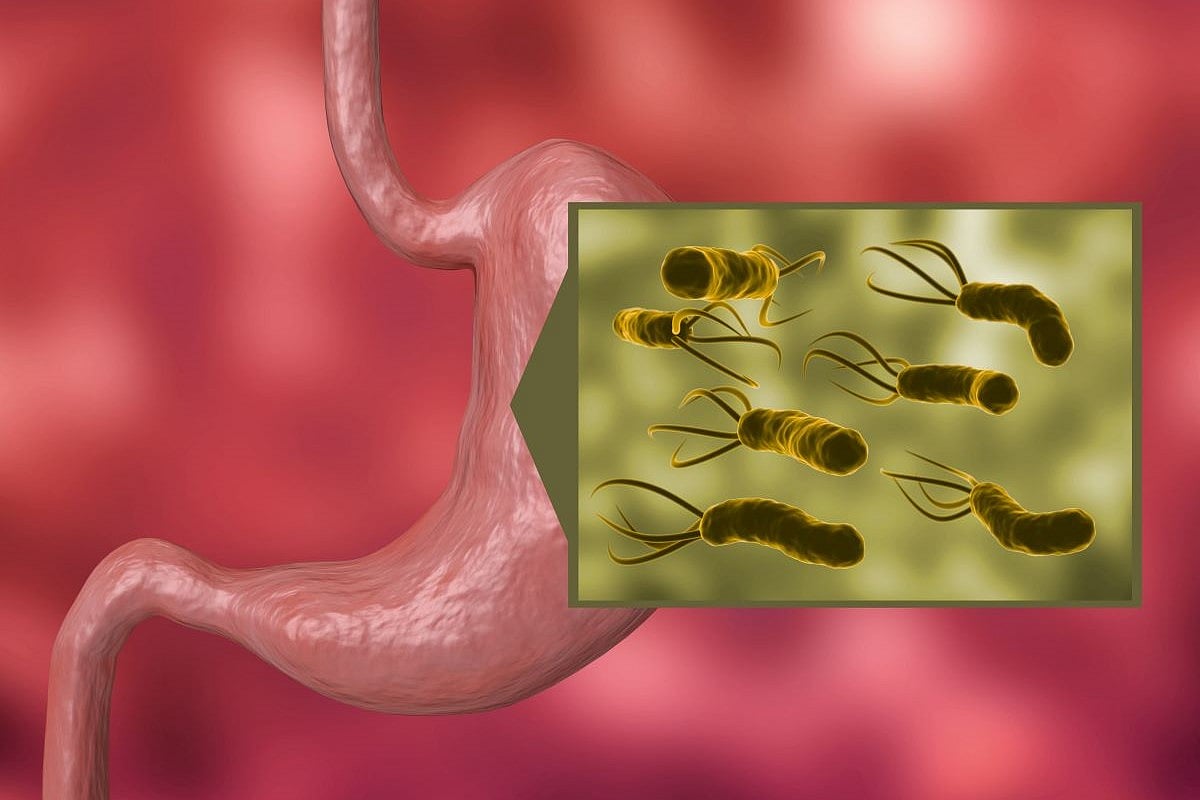
Only musculoskeletal conditions accounted for a greater share of visits
FRIDAY, Oct. 4, 2024 (HealthDay News) — One in nine primary care visits is for a mental health condition, according to a study published online Sept. 19 in Nature Mental Health.
Avshalom Caspi, Ph.D., from Duke University in Durham, North Carolina, and colleagues examined how many primary care encounters are devoted to mental health versus physical health conditions using data from Norway”s nationwide administrative primary care records (2006 to 2019) for patients aged 0 to 100 years. The analysis included 4.89 million patients with 354.5 million encounters.
The researchers found that one in nine encounters (11.7 percent) involved a mental health condition. Only musculoskeletal conditions accounted for a greater share of visits. Mental health encounters in primary care equaled the number of encounters for infections and cardiovascular and respiratory conditions, and exceeded encounters for pain, injuries, metabolic, digestive, skin, urological, reproductive, and sensory conditions.
“This study adds information about the magnitude of mental health care in primary care,” the authors write. “The large volume of primary-care encounters devoted to diverse mental health conditions underscores the need for physician training in mental health, for integrated mental health services and for workforce capacity planning. Primary care physicians may have a more important role in preventing the escalation of mental health problems than heretofore appreciated.”
 2021 to 2026 Saw Increase in State Funding for Suicide Prevention
  Screening + Online Cognitive Behavioral Therapy Program Aids Nurses" Mental Health
  People Using Illicitly Sourced Fentanyl Face Worse Outcomes Than Medically Sourced Users
  Therapist-Led Online Cognitive Behavioral Therapy Aids Depression
  150+ Minutes of Social Media Daily Tied to Depression in Adults
  Extreme Heat Linked to 33 Clinically Reportable Diagnoses
  Habitual Fasting May Be Harmful for Older Adults
  Couples" Coping Skills Help Reduce Depression in GI Cancer Survivors