Risk increased with worsening CKD stage with denosumab versus bisphosphonates; highest risk seen for dialysis-dependent CKD, CKD-mineral and bone disorder
TUESDAY, Nov. 19, 2024 (HealthDay News) — For patients with chronic kidney disease (CKD), the risk for emergently treated hypocalcemia with denosumab increases with worsening CKD stage, according to a study published online Nov. 19 in the Annals of Internal Medicine.
Steven T. Bird, Ph.D., Pharm.D., from the U.S. Food and Drug Administration in Silver Spring, Maryland, and colleagues conducted a target trial emulation to examine the risk for emergently treated hypocalcemia with denosumab by stage of CKD and presence of CKD-mineral and bone disorder (MBD) among female patients aged 65 years or older. Participants initiated denosumab (361,453 patients), oral bisphosphonates (829,044 patients), or intravenous bisphosphonates (160,413 patients) for osteoporosis.
The researchers found that with denosumab versus oral bisphosphonates, the risk for emergently treated hypocalcemia increased with worsening CKD stage, with the highest risk seen among dialysis-dependent patients (3.01 versus 0.0 percent) and non-dialysis-dependent patients with CKD stages 4 and 5 (0.57 versus 0.03 percent). Among patients with stages 4 and 5 CKD, denosumab exhibited a higher risk for emergently treated hypocalcemia versus oral bisphosphonates in those with CKD-MBD (1.53 versus 0.02 percent) than in those without CKD-MBD (0.22 versus 0.03 percent). Increased risk was also seen for denosumab versus intravenous bisphosphonates.
“The highest incidence was seen in patients with advanced CKD and those with CKD-MBD,” the authors write. “Diagnosis and management of skeletal fragility in these high-risk patients is complex, requiring careful patient selection, adequate supplementation with calcium and vitamin D, and frequent monitoring of serum calcium under supervision of a clinician with expert knowledge and experience treating CKD-MBD.”
Abstract/Full Text (subscription or payment may be required)
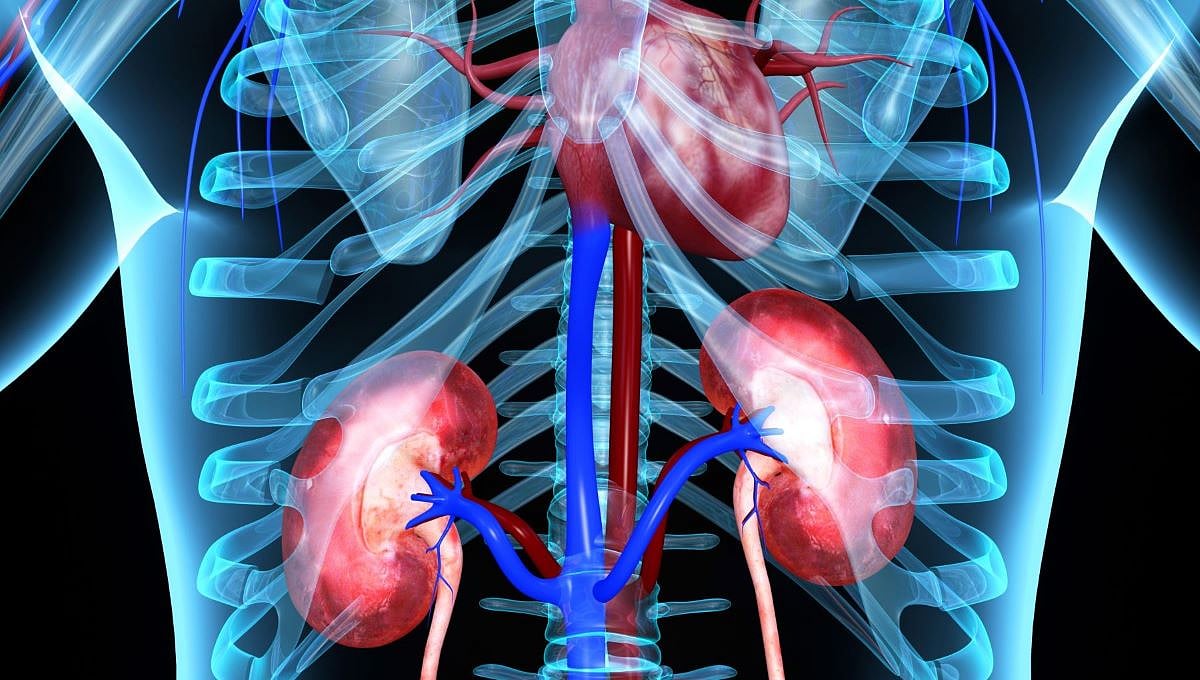 2011 to 2021 Saw Heart Failure-Related Hospitalization Rise in CKD
  Biomarkers Plus Kidney Donor Profile Index Improve Prediction of Concordant Allograft Outcomes
  Short-Term Pretransplant Dialysis Does Not Affect Kidney Transplant Outcomes
  Paternal Exposure to Valproate Not Linked to Offspring Neurodevelopmental Disorders
  Probable Postictal Psychosis Linked to Risk for Subsequent Primary Psychotic Disorders
  December 2024 to 2025 Saw Significant Increase in Leucovorin Dispensing
  Childhood-Onset Epilepsy Tied to Lower Rate of Educational Attainment
  Real-World ARIA Incidence With Lecanemab Aligns With Clinical Trial Findings