Clinical obesity defined as chronic illness resulting from effect of excess adiposity on organ and tissue function
TUESDAY, Jan. 14, 2025 (HealthDay News) — A global commission endorsed by 75 medical organizations around the world and published online Jan. 14 in The Lancet Diabetes & Endocrinology, presents a nuanced approach to defining clinical obesity as a chronic illness resulting from the effect of excess adiposity on organ and tissue function.
Francesco Rubino, M.D., from King”s College London, and colleagues reviewed the available evidence and developed criteria for clinical obesity to aid clinical decision-making and prioritize therapeutic interventions.
The authors define obesity as a condition characterized by excess adiposity, with or without abnormal distribution or function of adipose tissue, and with causes that are multifactorial and incompletely understood. Clinical obesity can result in severe end-organ damage, causing life-altering and potentially life-threatening complications. Preclinical obesity is defined as a state of excess adiposity with preserved function of other tissues and organs and a varying risk for developing clinical obesity and several other noncommunicable diseases. Body mass index should be used as a surrogate measure of health risk at a population level, for epidemiological studies, or for screening purposes, rather than as an individual measure of health. The diagnosis of clinical obesity requires evidence of reduced organ or tissue function due to obesity or substantial, age-adjusted limitations of daily activities reflecting the specific effect of obesity on basic activities of daily living or both. Timely, evidence-based treatment should be provided to people with clinical obesity, with the aim of improving clinical manifestations of obesity and preventing end-organ damage.
“The question of whether obesity is a disease is flawed because it presumes an implausible all-or-nothing scenario where obesity is either always a disease or never a disease,” Rubino said in a statement. “Evidence, however, shows a more nuanced reality.”
Several authors disclosed ties to the pharmaceutical industry.
Abstract/Full Text (subscription or payment may be required)
 Calorie Restriction and Mediterranean-Style Diet Yield Similar Weight Loss
  Strength Training May Cut GDM Risk in Pregnant Women With Overweight, Obesity
  Most Metabolic and Bariatric Surgery Candidates Meet Criteria for Clinical Obesity
  Central Adiposity Reclassifies Cardiovascular Risk Across BMI Spectrum
 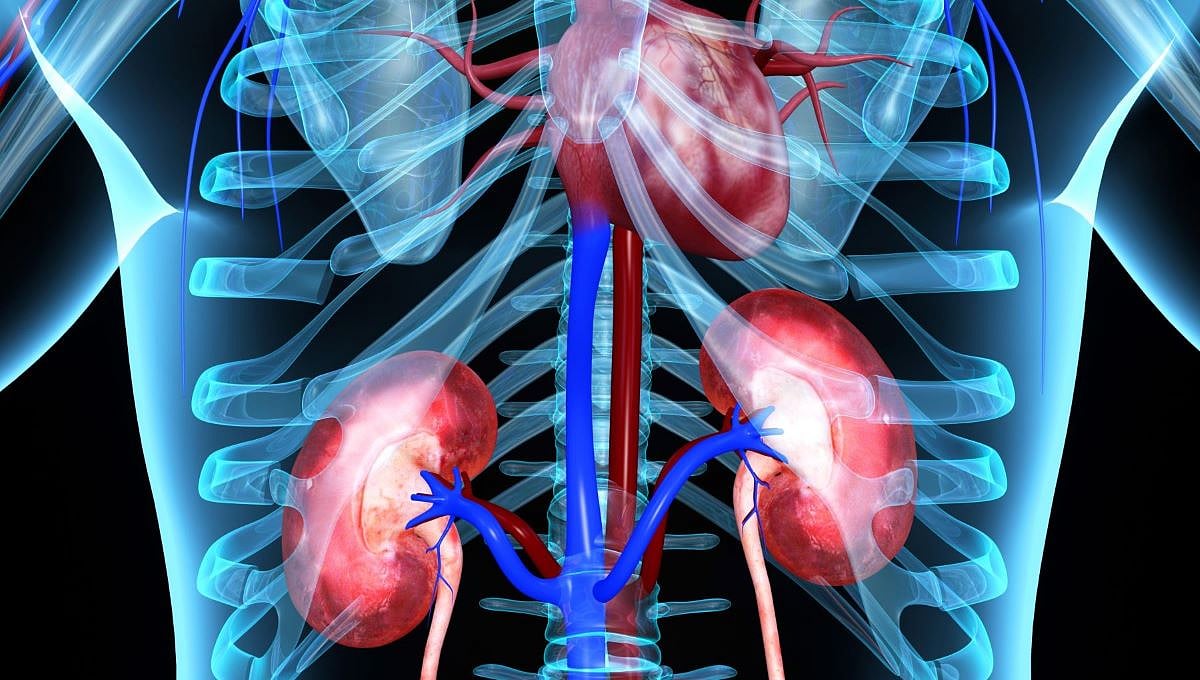 2011 to 2021 Saw Heart Failure-Related Hospitalization Rise in CKD
  Machine Learning Model IDs Heart Failure With Reduced Ejection Fraction Using Routine Lab Indicators
  Reinitiating Obesity Meds After Bariatric Surgery Tied to Greater One-Year Weight Loss in Youths
  High-Dose Omega-3 Linked to A-Fib Risk in Patients With High CVD Risk
 .jpg)