Highest rates in 2023 seen in West Virginia, District of Columbia; changes in rates varied by jurisdiction across drug types
THURSDAY, Feb. 20, 2025 (HealthDay News) — From 2022 to 2023, there was a decrease in the age-adjusted rate of drug overdose death in the United States, according to a report published in the February Health E-Stats, a publication of the National Center for Health Statistics.
Matthew F. Garnett, M.P.H., and Arialdi M. Miniño, M.P.H., from the National Center for Health Statistics in Hyattsville, Maryland, describe changes in drug overdose mortality by selected drug type and state from 2022 to 2023.
The researchers found that from 2022 to 2023 the age-adjusted rate of drug overdose deaths in the United States decreased 4.0 percent (32.6 to 31.3 deaths per 100,000 standard population). West Virginia and the District of Columbia were the jurisdictions with the highest rates in 2023 (81.9 and 60.7, respectively), while Nebraska and South Dakota were the states with the lowest rates (9.0 and 11.2, respectively). Age-adjusted rates of drug overdose deaths decreased in 20 states, did not change significantly in 25 states, and increased in six states (Alabama, Alaska, California, Nevada, Oregon, and Washington). Nationally, the age-adjusted rate of drug overdose deaths decreased between 2022 and 2023 for deaths involving any opioid and synthetic opioids other than methadone, including fentanyl, and increased for deaths involving psychostimulants with abuse potential and cocaine.
“Changes in rates varied by jurisdiction across drug type,” the authors write. “Rates for deaths involving synthetic opioids other than methadone decreased in 17 states and increased in 11 states.”
 Evidence Insufficient to Support Routine Lumbar Support Use for Chronic Low Back Pain
  Dementia, Stroke Risk Elevated for Those With Severe Mental Illness
  NOACs Linked to Slower Cognitive Decline in Patients With A-Fib, Alzheimer Disease
 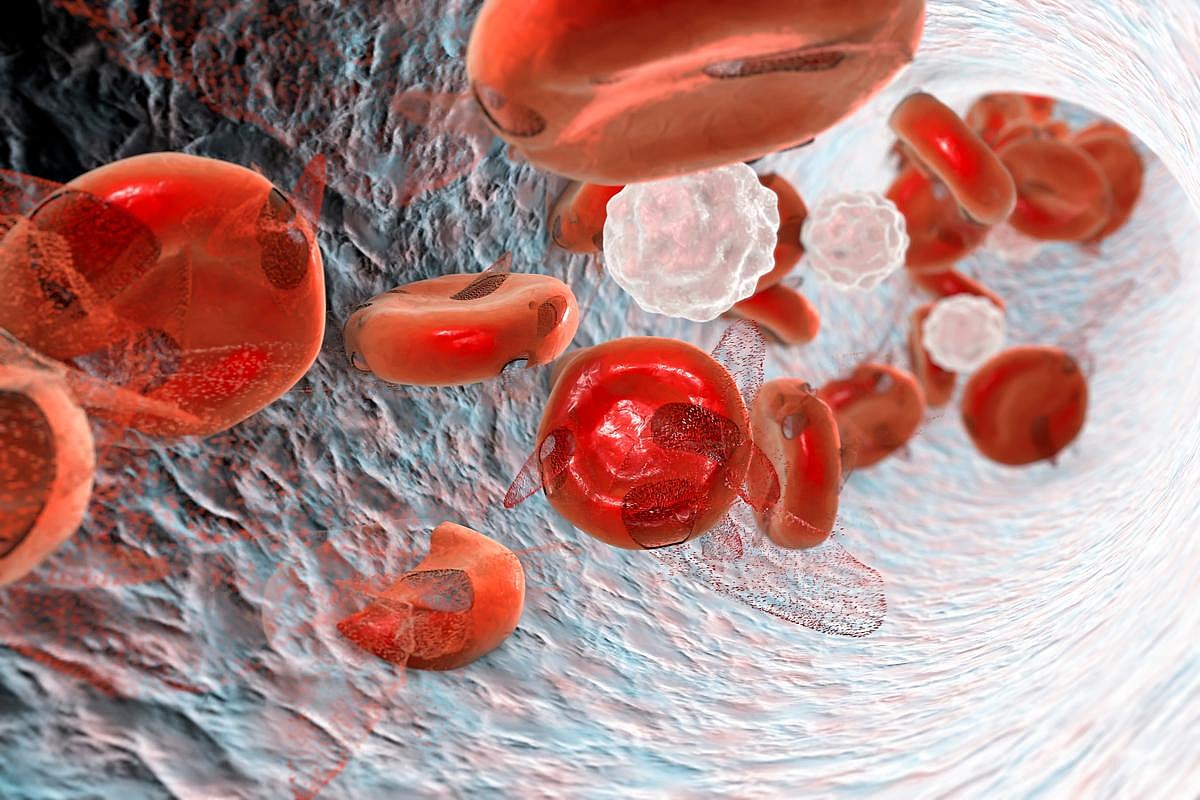 Preoperative IV Iron Beneficial for Patients With Anemia Undergoing Cardiac Surgery
  Adenotonsillectomy Tied to Increase in Respiratory Tract Infections in Children
  Robotic Arm-Assisted TKR Offers Similar Outcome to Conventional TKR
  Preoperative Chemo + Immunotherapy Combo Shrinks Head, Neck Cancer Tumors
  Safety Intervention Reduces Incidence of Postoperative Endophthalmitis