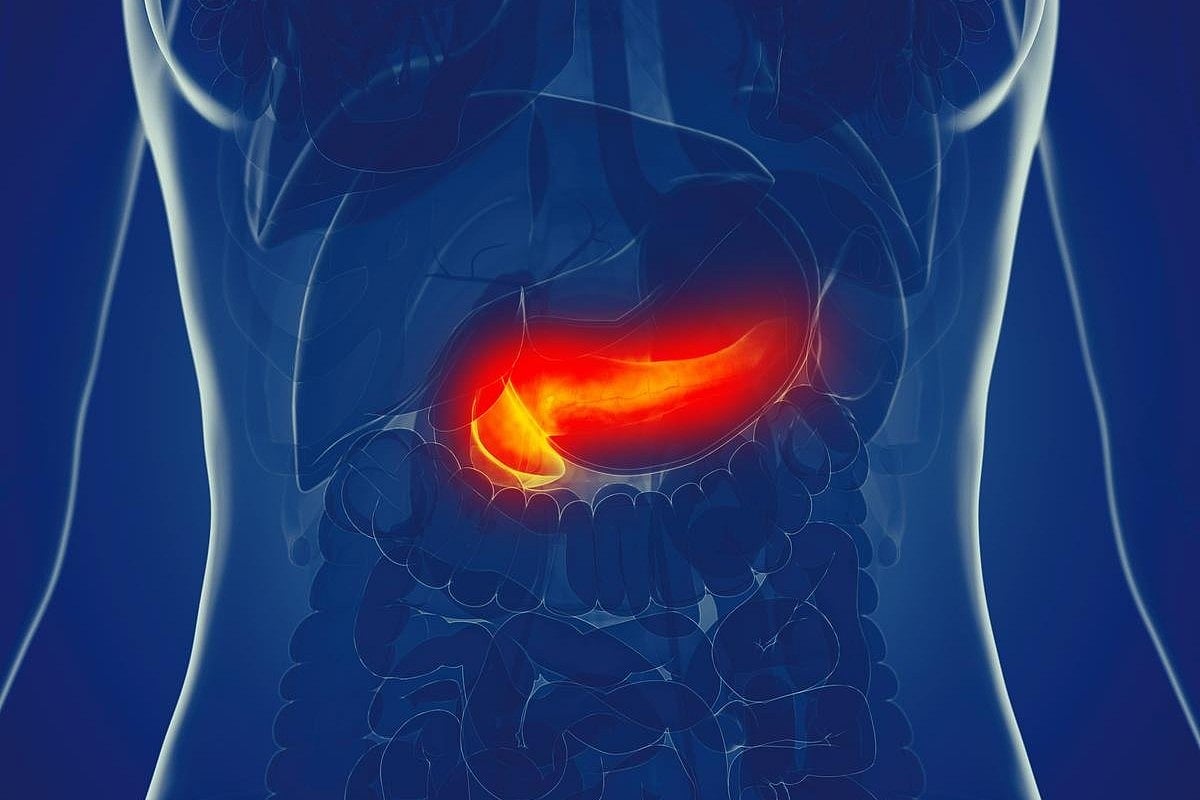
New cases and deaths set to increase by 38 and 68 percent by 2050, disproportionately affecting low-HDI countries
MONDAY, Feb. 24, 2025 (HealthDay News) — In 2022, there were 2.3 million new breast cancer cases and 670,000 deaths from female breast cancer globally, according to a study published online Feb. 24 in Nature Medicine.
Joanne Kim, Ph.D., from the International Agency for Research on Cancer in Lyon, France, and colleagues examined the current (2022) and future (2050) global burden of female breast cancer overall and by age group in 185 countries and assessed 10-year trends in incidence and mortality rates in 50 and 46 countries, respectively.
The researchers found that in 2022, there were 2.3 million new breast cancer cases and 670,000 deaths from female breast cancer worldwide. In half of examined countries, annual rates increased by 1 to 5 percent. In 29 countries with a very high Human Development Index (HDI), mortality rates decreased, and seven countries are currently meeting the Global Breast Cancer Initiative goal of ≥2.5 percent decrease each year. New cases and deaths are projected to increase by 38 and 68 percent, respectively, by 2050, disproportionately impacting low-HDI countries.
“Sustained investment and improvement in early diagnosis and treatment are also urgently needed, particularly in low- and medium-HDI countries, to reduce growing inequities in breast cancer survival and mitigate poor outcomes for the millions of additional women who will receive a diagnosis of breast cancer in the coming years,” the authors write.
Abstract/Full Text (subscription or payment may be required)
 Chemo-Free Combo of Four Targeted Therapies Shows Promise in Metastatic Breast Cancer
  AMH Predicts Benefit of Chemo + Endocrine Therapy in Under 55s With Breast Cancer
  Study IDs Gaps in Hereditary Breast Cancer Risk Assessment Before Gender-Affirming Mastectomy
  Family History Drives Cancer Risk in BRCA Test Groups
  Real-World ARIA Incidence With Lecanemab Aligns With Clinical Trial Findings
  Genomic Newborn Screening Could ID Cancer Predisposition Syndrome
  Subclinical Cardiac Dysfunction Linked to Neurodegeneration in APOE-ε4 Carriers
  Study IDs Dementia Risk Factors in Those Older Than 90 Years
 .jpg)