Most patients who died after withdrawal of life-sustaining therapy were considered to have recovery potential of at least 1 percent
THURSDAY, March 27, 2025 (HealthDay News) — Most comatose patients resuscitated from cardiac arrest who died after withdrawal of life-sustaining therapy (WLST) were considered by experts to have recovery potential of at least 1 percent, according to a study published online March 25 in JAMA Network Open.
Jonathan Elmer, M.D., from the University of Pittsburgh School of Medicine, and colleagues conducted a prospective cohort study including comatose adult patients treated following resuscitation from cardiac arrest at a single academic medical center between Jan. 1, 2010, and July 31, 2022. Three or more experts independently estimated recovery potential using a 7-point numerical ordinal scale for each patient if life-sustaining treatment had been continued.
A total of 2,391 patients were included; 714 (29.9 percent) survived to discharge. Thirty-eight experts reviewed cases of uncertain outcome (1,431 patients [59.8 percent]) in which WLST preceded death; they rendered 4,381 estimates of recovery potential. The researchers found that all experts believed that recovery potential was less than 1 percent if life-sustaining therapies had been continued in 518 cases (36.2 percent). At least one expert believed that recovery potential was at least 1 percent in the remaining 913 cases (63.8 percent). All experts agreed that recovery potential was at least 1 percent in 227 cases (15.9 percent); expert estimates differed at this threshold in 686 cases (47.9 percent).
“Our results suggest a potential for biased clinical decision-making and research when deaths after WLST are treated as poor outcomes that cannot be ignored,” the authors write.
Several authors disclosed ties to the biopharmaceutical industry.
 Adverse Pathological Features Do Not Predict Benefit of Hormone Therapy in Prostate Cancer
  Azacitidine + Venetoclax Tied to Improved Event-Free Survival in Adults With AML
  Residential Context Has Larger Impact on Ovarian Cancer Survival in Black Women
  All-Cause Mortality Elevated for Adult Five-Year Survivors of Hodgkin Lymphoma
 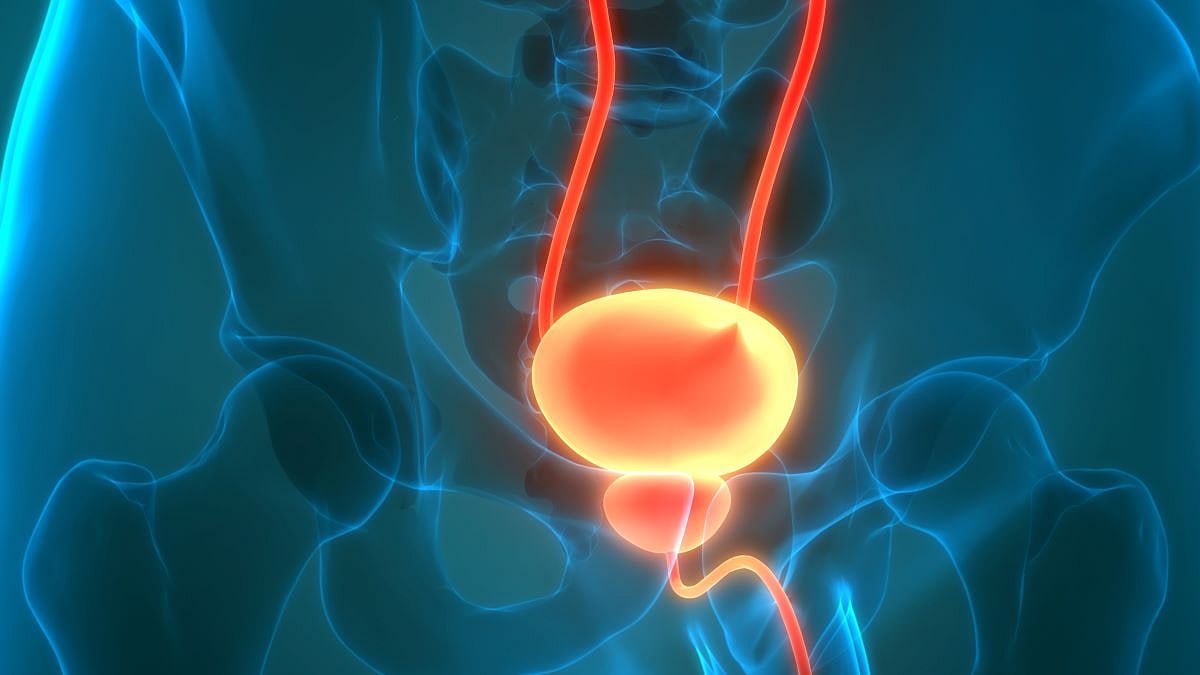 Achieving PSA <0.2 ng/mL Improves Survival in Metastatic Castration-Sensitive Prostate Cancer
  Mental Distress, Fatigue Common in Childhood Survivors of Leukemia, Lymphoma
  Enfortumab Vedotin-Pembrolizumab More Effective for MIBC Than Cisplatin-Gemcitabine
  Recurrence Score Elevated for Breast Cancer Diagnosed Within First Year Postpartum