GLP-1 receptor agonist prescriptions increased significantly during study period across all categories of BMI, in dose-response manner
FRIDAY, April 4, 2025 (HealthDay News) — From 2008-2011 to 2020-2023, there was an increase in the prevalence of obesity among youth and adults with type 1 diabetes, and glucagon-like peptide 1 receptor agonist (GLP-1 RA) prescriptions also increased for this group over time, according to a study published online March 3 in Diabetes, Obesity and Metabolism.
Yunwen Xu, Ph.D., from the Johns Hopkins Bloomberg School of Public Health in Baltimore, and colleagues characterized trends in obesity and prescriptions for GLP-1 RAs across body mass index (BMI) categories among U.S. patients with type 1 diabetes (youth [2 to 19 years] and adults [20 years and older]).
The researchers found that from 2008-2011 to 2020-2023, the prevalence of obesity increased from 18.1 to 26.0 percent among youth with type 1 diabetes and from 30.5 to 38.1 percent for adults with type 1 diabetes. Black and Hispanic youth and adults had the highest obesity rates; over time, racial and ethnic disparities persisted. Across all BMI categories, GLP-1 RA prescriptions increased significantly during the last 15-year period in a dose-response manner among youth and adults with type 1 diabetes.
“Obesity and GLP-1 RA prescriptions across different BMI categories have surged over the last 15-year period in a large and diverse U.S. population of youth and adults with type 1 diabetes,” the authors write. “Our findings underscore the urgent need for safety and efficacy data on GLP-1 RAs and clinical guidelines for obesity management among the type 1 diabetes population.”
 Calorie Restriction and Mediterranean-Style Diet Yield Similar Weight Loss
  Strength Training May Cut GDM Risk in Pregnant Women With Overweight, Obesity
  Most Metabolic and Bariatric Surgery Candidates Meet Criteria for Clinical Obesity
  Central Adiposity Reclassifies Cardiovascular Risk Across BMI Spectrum
 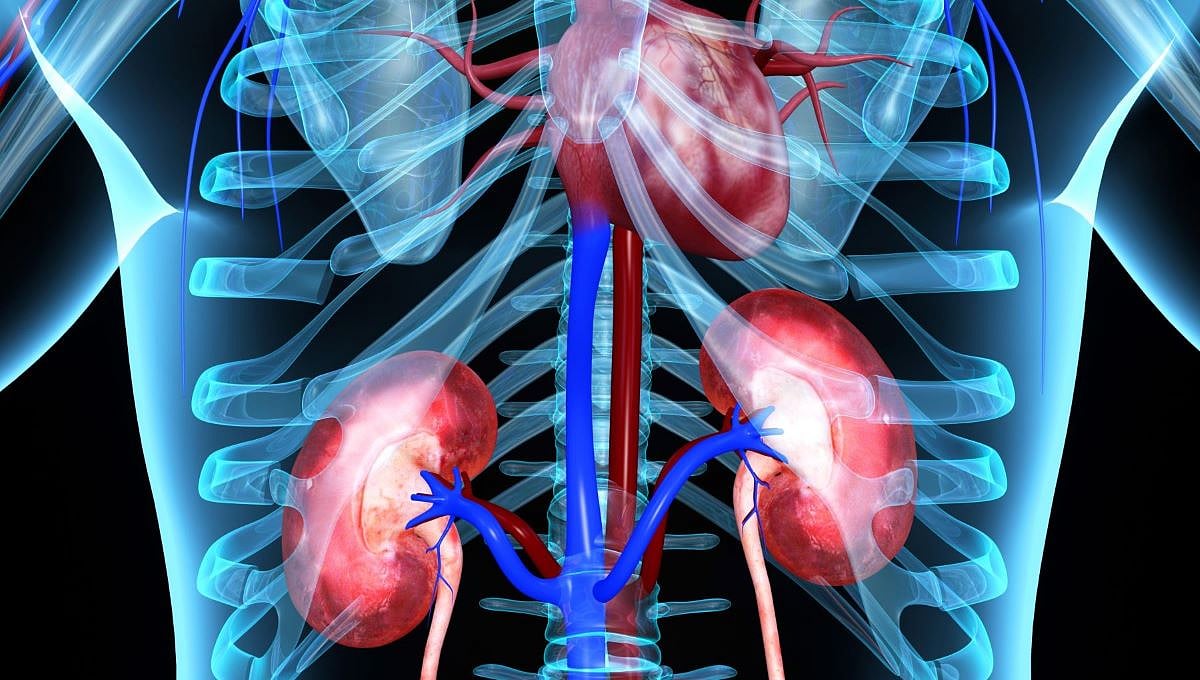 2011 to 2021 Saw Heart Failure-Related Hospitalization Rise in CKD
  Machine Learning Model IDs Heart Failure With Reduced Ejection Fraction Using Routine Lab Indicators
  Reinitiating Obesity Meds After Bariatric Surgery Tied to Greater One-Year Weight Loss in Youths
  High-Dose Omega-3 Linked to A-Fib Risk in Patients With High CVD Risk