16.9 percent of the association was mediated by psychological distress; 3.0 and 3.1 percent mediated by social isolation, neuroticism
THURSDAY, April 10, 2025 (HealthDay News) — Poor hearing is associated with an increased risk for incident heart failure, which is partially mediated by psychological distress, according to a study published online April 8 in Heart.
Yu Huang, from State Key Laboratory of Organ Failure Research in Guangzhou, China, and colleagues examined the association between hearing ability and risk for incident heart failure in a study involving 164,431 participants from the U.K. Biobank without heart failure at baseline. The Digit Triplets Test was used to measure speech-in-noise hearing ability, which was quantified by the speech-reception-threshold (SRT).
The researchers found that 2.7 percent of participants developed incident heart failure during a median follow-up of 11.7 years. There was an association between high SRT levels and an increased risk for heart failure (adjusted hazard ratio per standard deviation increment, 1.05). Participants with insufficient hearing, poor hearing, or hearing aid use had higher heart failure risks compared with those with normal hearing (adjusted hazard ratios, 1.15, 1.28, and 1.26, respectively). Overall, 16.9 percent of the association between SRT levels and heart failure was mediated by psychological distress; social isolation and neuroticism mediated 3.0 and 3.1 percent, respectively. Participants without coronary heart disease or stroke at baseline had a stronger association.
“If further confirmed, hearing impairment may be a potential risk factor or marker for incident heart failure in the general population, highlighting the importance of integrating hearing health assessments into broader cardiovascular risk evaluation frameworks,” the authors write.
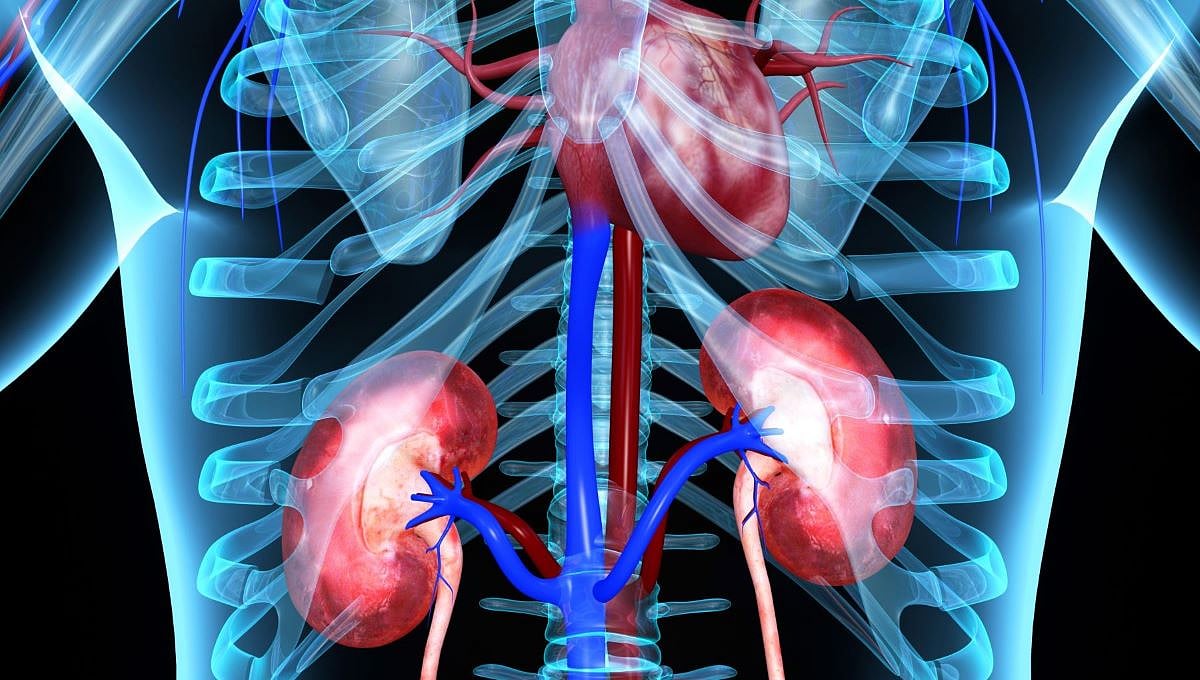 2011 to 2021 Saw Heart Failure-Related Hospitalization Rise in CKD
  Therapist-Led Online Cognitive Behavioral Therapy Aids Depression
  Machine Learning Model IDs Heart Failure With Reduced Ejection Fraction Using Routine Lab Indicators
  Extreme Heat Linked to 33 Clinically Reportable Diagnoses
  Freshwater Swimming Tied to Stomach Bugs, Skin Conditions
  Biomarkers Plus Kidney Donor Profile Index Improve Prediction of Concordant Allograft Outcomes
  Short-Term Pretransplant Dialysis Does Not Affect Kidney Transplant Outcomes
  Considerable Global Disparities Found in Access to Dermatological Care