


By December 2023, 12.3 percent of all glucose-lowering medication dispensations were tirzepatide among adults with T2DM
TUESDAY, April 15, 2025 (HealthDay News) — After approval, tirzepatide dispensations increased markedly among adults with type 2 diabetes prescribed glucose-lowering medications (GLMs) and among adults without diabetes prescribed weight-lowering medications (WLMs), according to a study published online April 15 in the Annals of Internal Medicine.
John W. Ostrominski, M.D., from Brigham and Women”s Hospital in Boston, and colleagues describe trends in insurance claims for GLMs and WLMs after tirzepatide approval in a population-based cohort study using claims data from a large U.S. commercial database from January 2021 to December 2023.
The researchers found that among adults with T2D prescribed GLMs, there was a marked increase in tirzepatide dispensations, reaching 12.3 percent of all GLM dispensations by December 2023. For sodium-glucose cotransporter-2 inhibitors and glucagon-like peptide 1 receptor agonists, similar patterns were seen (14.5 to 24.4 percent and 19.5 to 28.5 percent, respectively). There was a decline in dispensations of other GLMs, including metformin. Sharp increases were seen in dispensations of tirzepatide (0.0 to 40.6 percent) and semaglutide (2.4 mg; 0.0 to 32.2 percent) among adults without diabetes but prescribed WLMs; the most frequently dispensed WLM was semaglutide (2.0 mg), increasing from 37.8 to 45.7 percent. Decreases were seen in other WML dispensations. Among incident users, observed trends were similar. Compared with initial postapproval periods for other medications, tirzepatide uptake was more rapid and sustained.
“These findings highlight the rapidly shifting landscape of GLM and WLM use in the United States,” the authors write.
Abstract/Full Text (subscription or payment may be required)
 2018 to 2025 Saw Sharp Rise in Postpartum GLP-1 Receptor Agonist Use
 .jpg) Pregnancy Complications Linked to Subsequent Risk for Cardiometabolic-Renal Conditions
Pregnancy Complications Linked to Subsequent Risk for Cardiometabolic-Renal Conditions  GLP-1 Receptor Agonists, SGLT-2is Slow Renal Function Decline in T2D With Albuminuria
 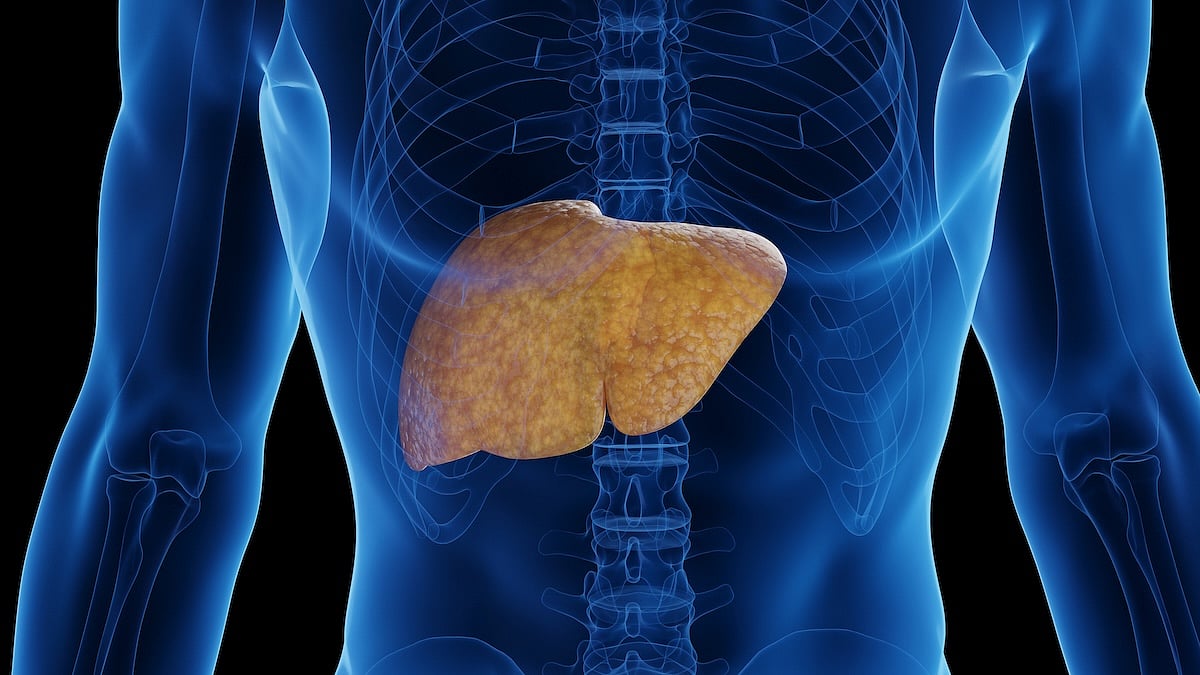 Genetics, Diabetes Tied to MASLD-Associated Cirrhosis Before Age 50
  Steatotic Liver Disease Risk Scores Compared for Predicting Cirrhosis
  Cirrhosis Can Recur After Liver Transplant
  Family History of CRC Increases CRC Risk Similarly in IBD, General Population
 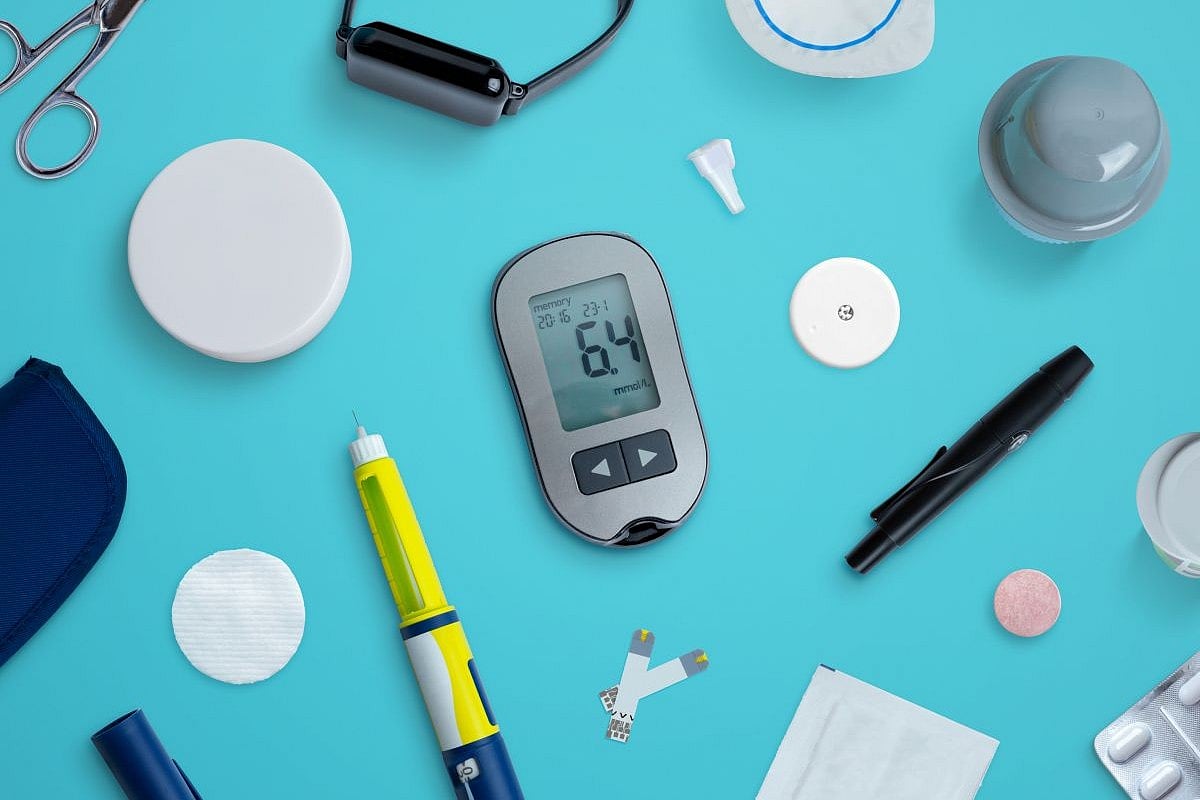 Study IDs Risk Factors for Ketoacidosis in Adults With T2D Receiving SGLT2 Inhibitors


.jpg)

