



Children experiencing the psychological stress of “new family structure” in first year of life have increased psoriasis risk
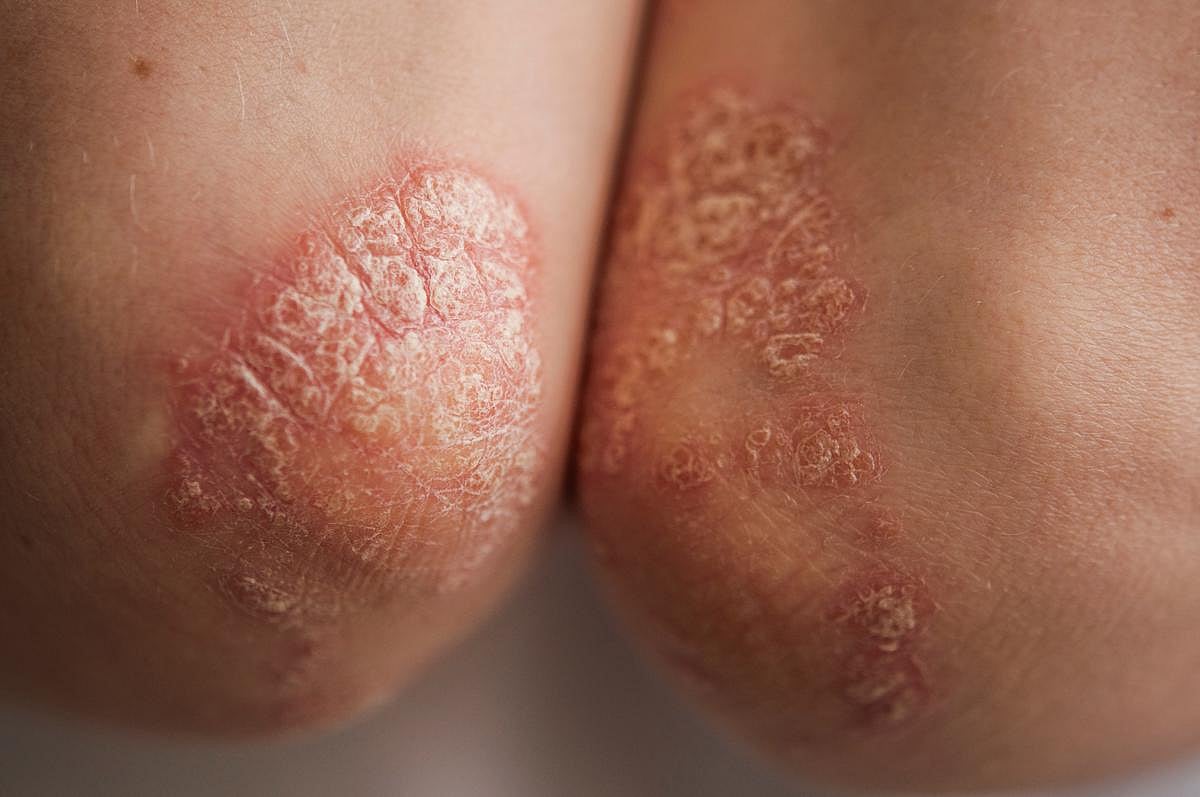
THURSDAY, Oct. 30, 2025 (HealthDay News) — Changes in family structure in the first year of life are associated with increased risk for developing psoriasis later in life, according to a study published online Sept. 2 in the Journal of Investigative Dermatology.
Debojyoti Das and Johnny Ludvigsson, M.D., Ph.D., from Linköping University in Sweden, examined whether early childhood stress contributes to development of psoriasis later in life. Parents of 16,145 children in the All Babies in Southeast Sweden prospective birth cohort completed questionnaires when the children were 1, 3, 5, and 8 years of age.
The researchers found an association for the stress life factor “new family structure” (divorce/separation and/or new adult or new/step sibling) before age 1 year with an increased risk for developing psoriasis (odds ratio, 4.19) in a univariate model; after adjustment for confounders, the significant association persisted. New family structure increased the risk for psoriasis in the univariate model (odds ratio, 3.40) but not in an adjusted multivariable model when integrating data from follow-up at ages 1, 3, 5, and 8 years.
“Changes in family structure like divorce or separation of parents, death in the family, and/or new adult or new/step siblings leading to an acute sense of insecurity and fear for the young child, seems to make the child extra vulnerable when it happens in the first year of life. This fits with the knowledge that very young individuals seem to be more vulnerable to the immunomodulatory effects of stressful life factors than older children and adults,” Ludvigsson said in a statement.
 Low Levels of Placental Growth Factor in Pregnancy Linked to Subsequent ADHD in Offspring
  Better Youth Fitness May Lower Risk for Depression in Adulthood
  Mom"s Poor Sleep in Late Pregnancy Linked to Offspring"s Obesity Risk in Early Childhood
  Mortality, Comorbidity Risk Increased With Generalized Pustular Psoriasis
  Long-Term Risk for Incident Psoriasis Elevated With Irritable Bowel Syndrome
  Risk for Herpes Zoster Elevated for Individuals With Atopic Dermatitis
  Burden of Myocardial Dysfunction Elevated for Individuals With Psoriasis



.jpg)
