


About 87 percent did not seek care for menopausal symptoms, with most citing being too busy or lacking awareness about treatments
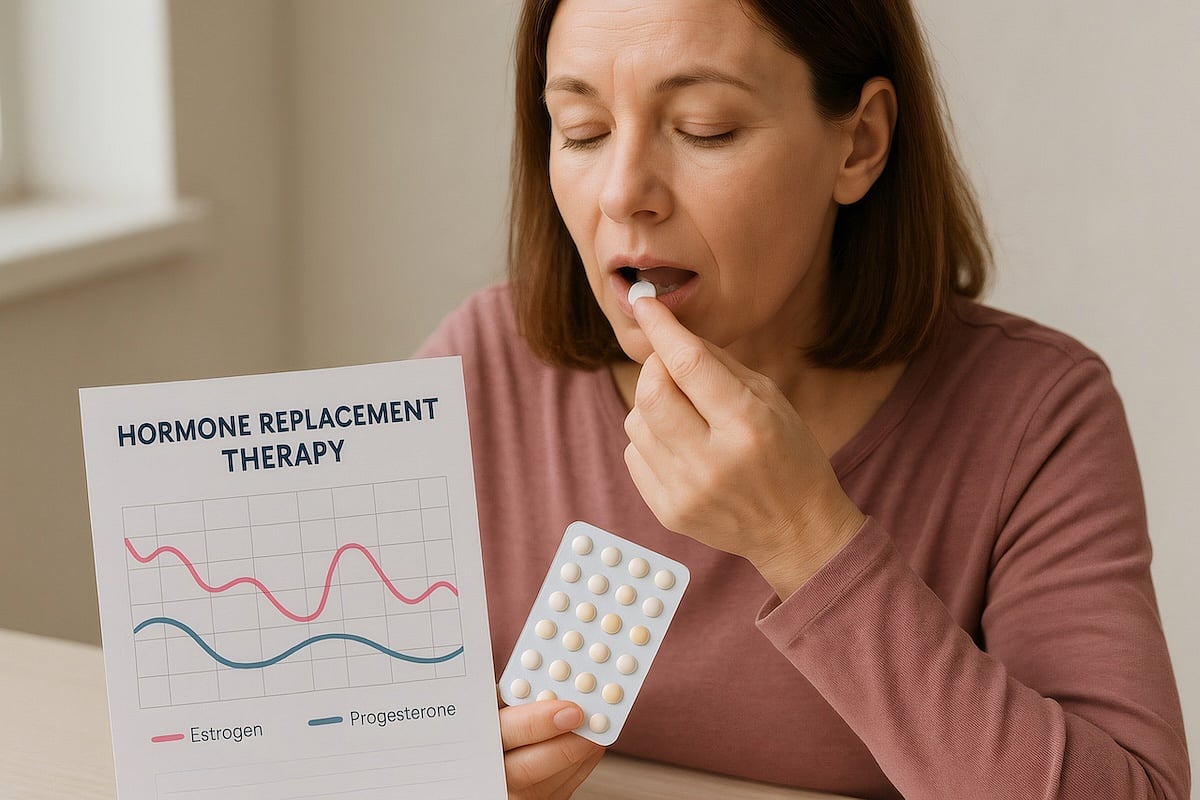
TUESDAY, Nov. 4, 2025 (HealthDay News) — Thirty-four percent of women report moderate, severe, or very severe menopause symptoms, but most women do not seek care for symptoms, according to a study published in the November issue of Mayo Clinic Proceedings.
Ekta Kapoor, M.B.B.S., from the Mayo Clinic in Rochester, Minnesota, and colleagues conducted a cross-sectional study enrolling women aged 45 to 60 years from the Mayo Clinic Registry of Midlife Women (Hormones and Experiences of Aging) to examine the burden of menopause symptoms and potential barriers to receiving care. The participants completed questionnaires assessing their menopause experience; 4,914 responses were received.
The researchers found that 34 percent of the respondents reported moderate, severe, or very severe menopause symptoms; sleep and sexual problems were often rated as severe or very severe. Most women (about 87 percent) did not seek medical care for symptoms, with the main reasons reported as “being too busy” or “lacking awareness about effective treatment options.”
“Menopause is universal for women at midlife, the symptoms are common and disruptive, and yet, few women are receiving care that could help them,” Kapoor said in a statement. “This gap has real consequences for women”s health and quality of life, and it”s time we address it more proactively.”
Several authors disclosed ties to the pharmaceutical industry.
Abstract/Full Text (subscription or payment may be required)
 Oral Menopausal Hormone Therapy Linked to Venous Thromboembolic Risk
  MHT Initiation May Reduce Cardiovascular Risk in Women With Vasomotor Symptoms
  Longer Reproductive Lifespan Tied to Lower Bronchiectasis Risk in Postmenopausal Women
  Workplace Psychological Stress Linked to Erectile Function in Young Men
  Adverse Pathological Features Do Not Predict Benefit of Hormone Therapy in Prostate Cancer
  Body Fat Percentage May Be Better Indicator of Men"s Reproductive Health Than BMI
  Early BPH Outcomes Comparable for p-ThuLEP and Open Prostatectomy
  Aglatimagene Besadenovec + Valacyclovir Ups DFS in Localized Prostate Cancer




