


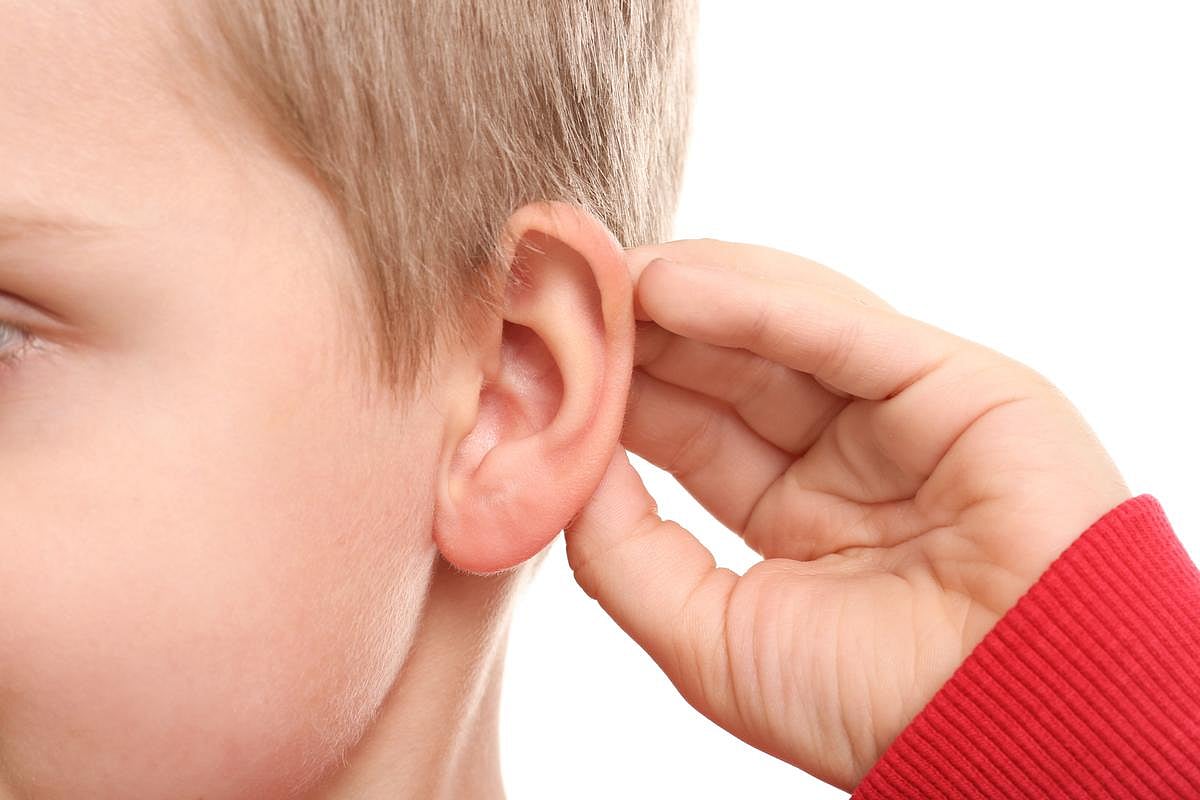
Experts say the ability to hear early in life is critical to maximizing development
FRIDAY, Dec. 12, 2025 (HealthDay News) — The U.S. Food and Drug Administration has approved an expanded indication for MED-EL (Medical Electronics) cochlear implants for children ages 7 months and older with bilateral sensorineural hearing loss (SNHL).
MED-EL’s cochlear implant system is the only FDA-approved option for infants this young, offering the potential for earlier access to sound and speech development. This approval also expands audiologic and speech indications for children aged 12 months and older.
The approval is based on a trial of 123 children (7 to 71 months), which showed that 81 to 88 percent had clinical success with the cochlear implant in the first year. The rate of major complications was low, with similar rates for children receiving implants at younger than 12 months compared with older children. All complications were known risks of cochlear implantation. A postapproval study is planned to assess children who meet the new labeling criteria for MED-EL cochlear implants.
“Giving children access to sound as early as possible can make a world of difference for their future,” John Sparacio, president and CEO of MED-EL USA, said in a statement. “We are committed to giving every child the best possible start in life through our closest to natural hearing philosophy paired with our advancements in safety and technology.”
 Implant, Patient Survival Do Not Differ for Robotic and Conventional Total Joint Replacement
  Physical Therapist-Supervised Exercise Improves Outcomes After ACL Reconstruction
  Early Complications Common in Older Kidney Transplant Recipients
  PET/MRI Offers Diagnostic, Prognostic Value in Pediatric Epilepsy
  Drug Interactions Reducing Contraceptive Effectiveness Common in Epilepsy
  Pre-Prostate Biopsy MRI Use Increased From 2017 to 2026
  Frequent Cannabis Use Linked to Epilepsy Severity
  Less Intraoperative Crystalloid Fluid Not Tied to Worse Surgical Outcomes


.jpg)
