


Approval is the first cell-based gene therapy for the disease and shows durable benefit
TUESDAY, Dec. 16, 2025 (HealthDay News) — The U.S. Food and Drug Administration has approved Waskyra (etuvetidigene autotemcel) as the first cell-based gene therapy for the treatment of Wiskott-Aldrich syndrome (WAS).
Waskyra is indicated for adults and pediatric patients aged 6 months and older with WAS who have a mutation in the WAS gene and for whom hematopoietic stem cell transplantation is appropriate and no suitable human leukocyte antigen-matched related stem cell donor is available. Waskyra restores functional WAS protein expression in affected cells through genetic modification of the patient”s own hematopoietic stem cells to include functional copies of the WAS gene. Following reduced-intensity conditioning, the gene-corrected cells are infused intravenously.
The approval is based on two open-label, single-arm, multinational clinical studies and an expanded access program that included 27 patients with severe WAS. Results show substantial and sustained clinical benefit, with significant reductions in the primary disease manifestations. The rate of severe infections decreased by 93 percent in the six to 18 months posttreatment period versus the 12 months before treatment. Additionally, moderate and severe bleeding events were reduced by 60 percent in the 12 months posttreatment versus the 12 months prior to treatment. Four years posttreatment, most patients did not report moderate-to-severe bleeding.
“This action marks significant progress in the development of much-needed treatment options for patients affected by this debilitating and life-threatening disease, enabling them to engage in everyday activities such as going to school or participating in sports,” Vijay Kumar, M.D., from the FDA Center for Biologics Evaluation and Research, said in a statement.
The approval of Waskyra was granted to Fondazione Telethon.
 Lower Dietary Diversity in First Year Linked to Atopic Dermatitis
 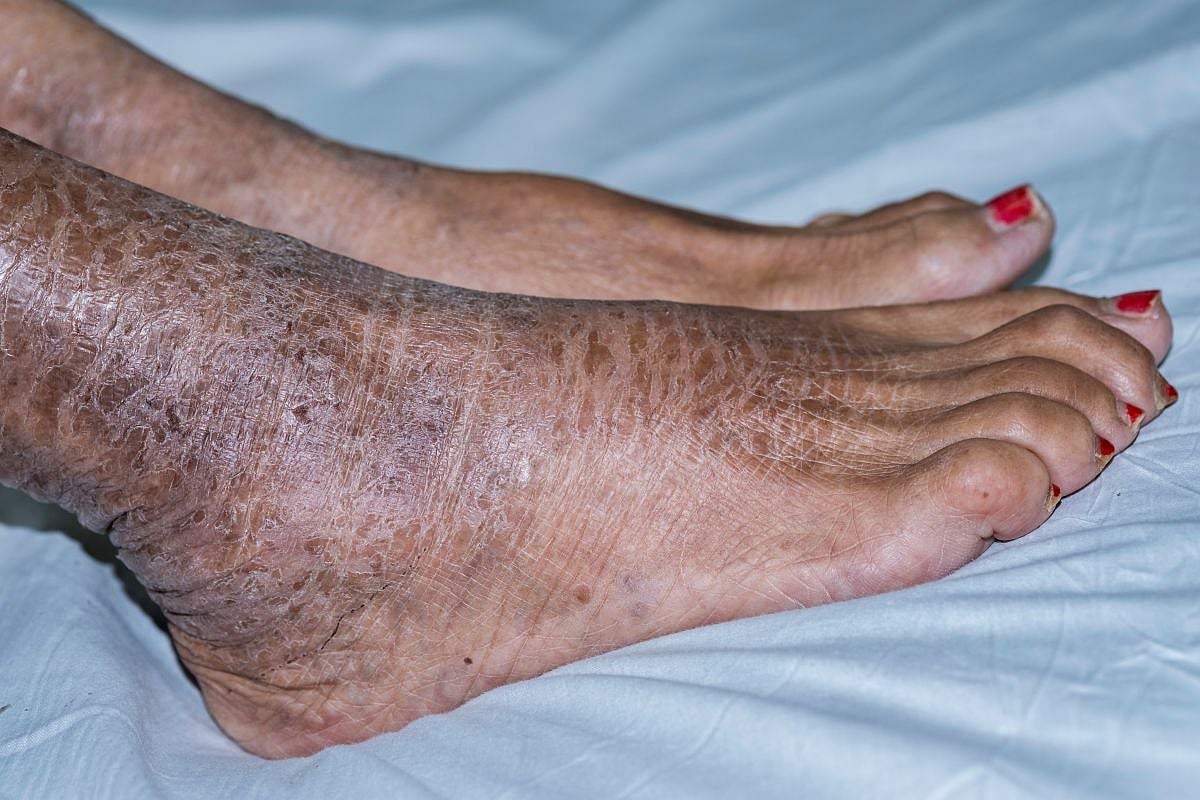 Congenital Ichthyosis Linked to Allergic Disorders
  Rheumatic Immune-Related AEs With Immune Checkpoint Inhibitors More Severe Than Previously Reported
  Distinct Skin Microbiome Features Emerge Before Atopic Disease Onset in Infants
  Gene Mutation Identified That Increases Lung Cancer Risk
  H. Pylori Exposure May Contribute to Global Burden of Colorectal Cancer
  Freshwater Swimming Tied to Stomach Bugs, Skin Conditions
  Considerable Global Disparities Found in Access to Dermatological Care


.jpg)

