


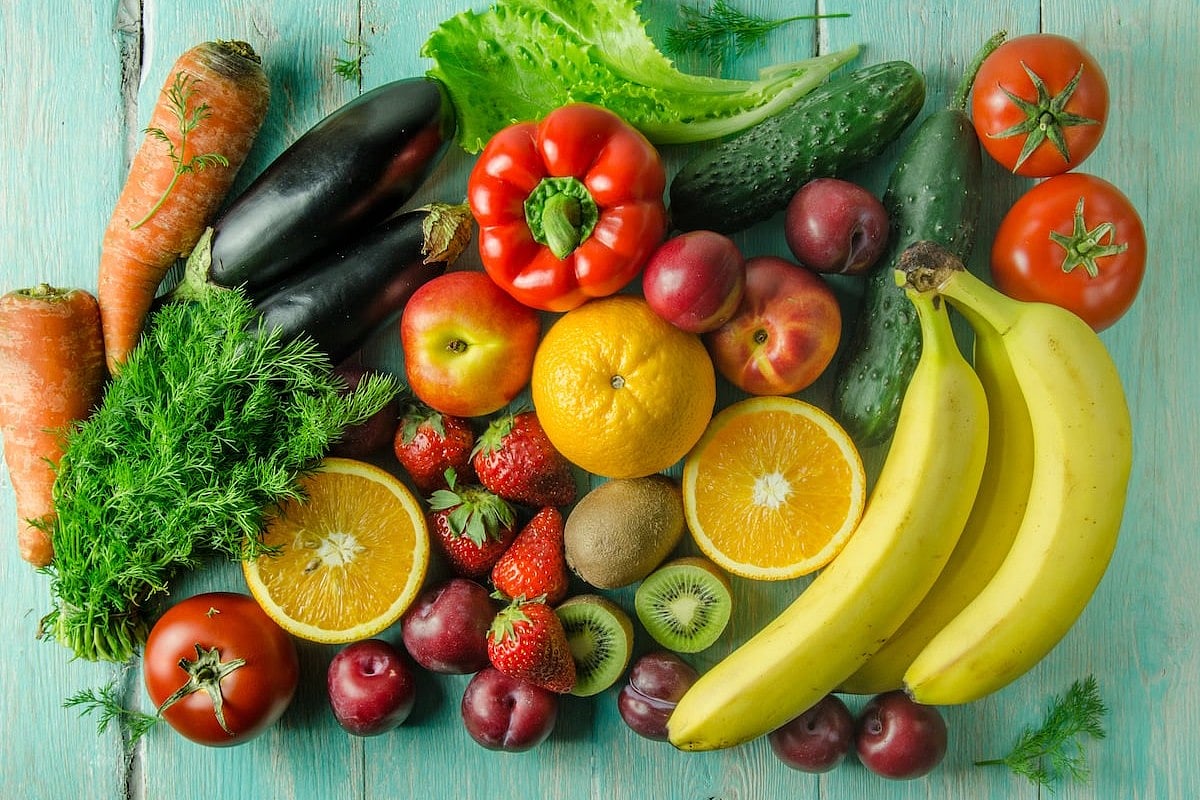
Increased infection risk seen with more liberalized diet for patients undergoing HSCT or induction chemotherapy for acute leukemia
MONDAY, Dec. 29, 2025 (HealthDay News) — For adults with acute leukemia (AL) undergoing hematopoietic stem cell transplant (HSCT) or induction chemotherapy, a more liberalized diet (LD) is not a safe alternative to a low-bacterial neutropenic diet (ND), according to a study published online Dec. 17 in the Journal of Clinical Oncology.
John R. Wingard, M.D., from the University of Florida College of Medicine in Gainesville, and colleagues conducted a phase 3 noninferiority trial involving patients aged 18 years and older undergoing HSCT or induction chemotherapy for AL. Patients were randomly assigned to an ND or LD, containing fresh fruits and vegetables. Development of any major infection during neutropenia was assessed as the primary end point; the noninferiority margin was set at a difference of ≤10 percent in the major infection rate.
At the second interim analysis after enrolling 214 evaluable patients, the trial was halted due to the LD arm”s major infection rate, which surpassed the predefined stopping boundary. The researchers found that major infections occurred in 31.4 versus 20.2 percent of patients in the LD versus the ND arm, a difference of 11.2 percent (95 percent confidence interval, −0.4 to 22.9; P = 0.58). The caloric intake in the LD arm was not improved; critical nutritional problems were reported for nearly two-thirds of patients on both diets. The LD arm had no advantage in symptoms, quality of life, or survival.
“We still need to come up with better approaches to improve the nutrition of these patients without compromising their safety,” Wingard said in a statement. “We recognize how important good nutrition is for the gut microbiome and patient outcomes.”
Abstract/Full Text (subscription or payment may be required)
 Childhood Cancer Survivors Often Have Mental Distress in Adulthood
  Blinatumomab Improves Event-Free Survival in Children With High-Risk B-Cell ALL
 .jpg) Mortality Lowest at Hemoglobin Concentrations Above WHO Thresholds
Mortality Lowest at Hemoglobin Concentrations Above WHO Thresholds  Oral Vitamin C Active in Clonal Cytopenia of Undetermined Significance
  Nutritional Deficiencies Seen in Youth Taking GLP-1 Receptor Agonists
  Ultra-Endurance Running Accelerates Red Blood Cell Aging
  Recommendations Developed for Diagnosing Light Chain Amyloidosis
  IV Iron Dextran Cost-Effective for Managing Iron-Deficiency Anemia


.jpg)

