President Donald Trump has paved the way for more U.S. production of glyphosate with an executive order
MONDAY, Feb. 23, 2026 (HealthDay News) — President Donald Trump has signed an executive order intended to increase U.S. production of the active ingredient in the common weedkiller Roundup, and the decision has drawn criticism from activists who support him.
The order calls glyphosate critical to the nation’s food supply and national security.
But critics say the move disregards long-standing health concerns linked to the chemical, including thousands of lawsuits claiming it raises the risk of non-Hodgkin lymphoma.
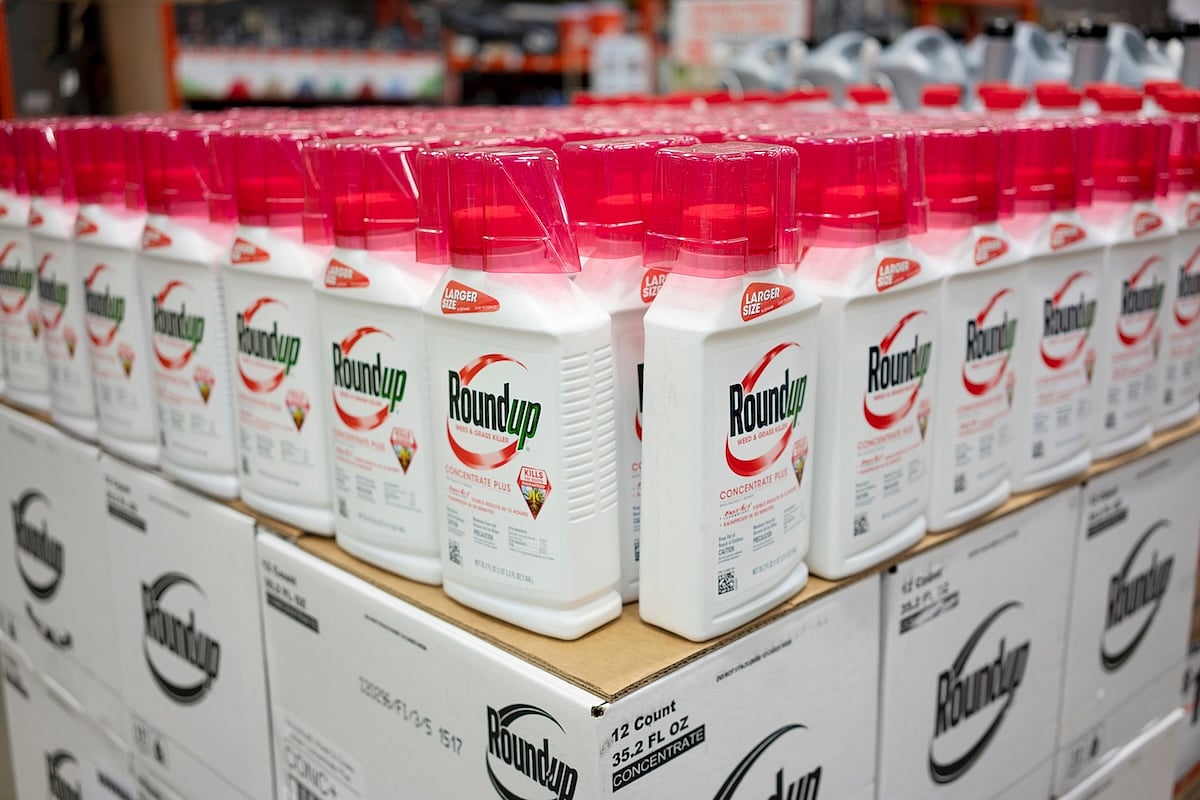
Glyphosate is the main ingredient in Roundup. The weedkiller is made by Bayer, which acquired its original manufacturer, Monsanto, in 2018.
Bayer faces tens of thousands of lawsuits tied to the product.
Without admitting wrongdoing or liability, the company announced a proposed $7.25 billion settlement last week to resolve many of those claims.
Trump’s executive order has exposed rifts with his Make America Healthy Again (MAHA) movement, which is led by U.S. Health Secretary Robert F. Kennedy Jr.
Kennedy previously worked on a legal team that won a $289 million judgment against Monsanto in 2018, The Washington Post reported.
While running for president in 2024, Kennedy said glyphosate was “one of the likely culprits in America’s chronic disease epidemic.” Since joining Trump’s administration, however, he has largely avoided criticizing pesticide use.
A longtime Kennedy supporter warned that the executive order could alienate the same voters who supported Trump back in 2024.
“Without restricting and/or banning glyphosate, we will not make America healthy again,” Zen Honeycutt, founder of the nonprofit Moms Across America and a longtime Kennedy supporter, told The Post.
The administration said the order is not meant to endorse a specific product. It also mentions the chemical elemental phosphorus, which is used in some military equipment.
White House spokesman Kush Desai said the order is needed to build modern weapons systems and ensure enough food is produced in the U.S.
“President Trump pledged to protect our country and Make America Healthy Again, and this Administration will never compromise on either priority,” Desai said.
The order relies on the Defense Production Act, a Cold War-era law that allows presidents to direct domestic industry.
Kennedy defended the decision, saying an immediate ban on glyphosate could hurt farmers.
“Right now if you end glyphosate outright it would put out of business 80% of our farmers,” he said on a recent podcast.
“It’s not a good long-term solution,” he said. “The issue is how do you transition off of it without putting farmers out of business?”
U.S. and European regulators disagree on glyphosate’s cancer risk.
The U.S. Environmental Protection Agency says the chemical is “not likely to be carcinogenic to humans.” The European Chemicals Agency committee reached similar conclusions.
 Phthalates From Personal Care Products Tied to Higher BP in Pregnancy
  High Temps, Heat Waves Linked to Poorer Mental Health in Children, Teens
  Early-Life PFAS Exposure Tied to Intestinal Inflammation in Childhood
  High Levels of Light Exposure Linked to Lower Dementia Risk
  Cortical Atrophy in Early-Onset Alzheimer Disease Signature Can Predict Progression to Dementia
  1 in 4 Former NFL Players Had CTE at Death in 2016 to 2021
  Exercise Link to Dementia Varies by Physical Activity Domain