


Findings for both poor nightly sleep and long naps
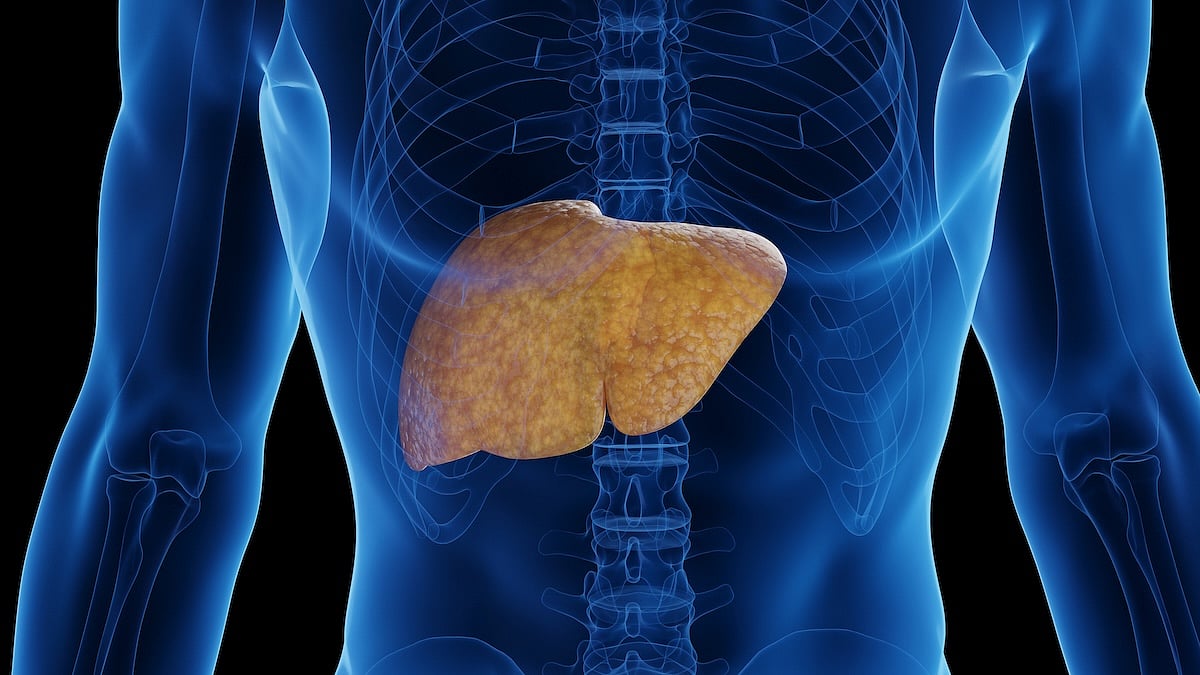
MONDAY, June 29, 2026 (HealthDay News) — Poor nocturnal sleep is independently associated with a substantially higher risk of metabolic dysfunction-associated steatotic liver disease (MASLD) in adults with type 2 diabetes (T2D), according to a study published online June 22 in Diabetology & Metabolic Syndrome.
Meng Zhu, from the First Affiliated Hospital of Wenzhou Medical University in China, and colleagues examined the association between sleep modes with MASLD in T2D. Analysis included 1,900 people (aged 18 to 85 years) with T2D followed for an average 3.2 years.
The researchers identified four nocturnal sleep factors and napping duration that were positively related to MASLD (hazard ratios [HRs] for adverse sleep behaviors ranged from 1.64 to 2.26). Good nocturnal sleep pattern (GNSP) with long nap (HR, 1.88), poor nocturnal sleep pattern (PNSP) with short nap (HR, 2.54), and PNSP with long nap (HR, 3.51) were associated with higher MASLD risk, compared to GNSP with short nap. Napping more than 30 minutes was associated with increased MASLD risk for both those with GNSP with long nap (HR, 1.82) and PNSP with long nap (HR, 1.40). There was a net reclassification improvement of 0.21 and an integrated discrimination improvement of 0.06 observed when incorporating sleep modes into the Fatty Liver Index.
“Based on sleep behavior, early screening and intervention strategies can be developed for high-risk populations to reduce or delay the progression of MASLD,” the authors write.
Abstract/Full Text (subscription or payment may be required)
.jpg) Pregnancy Complications Linked to Subsequent Risk for Cardiometabolic-Renal Conditions
Pregnancy Complications Linked to Subsequent Risk for Cardiometabolic-Renal Conditions  GLP-1 Receptor Agonists, SGLT-2is Slow Renal Function Decline in T2D With Albuminuria
  Study IDs Risk Factors for Ketoacidosis in Adults With T2D Receiving SGLT2 Inhibitors
  Steatotic Liver Disease Risk Scores Compared for Predicting Cirrhosis
  Cirrhosis Can Recur After Liver Transplant
  Family History of CRC Increases CRC Risk Similarly in IBD, General Population
  Relapse Rare After Appendiceal Adenocarcinoma Resection


.jpg)

