



Significantly lower mortality, hospitalization, revascularization, major and minor amputation rates seen with GLP-1 RA therapy
FRIDAY, July 10, 2026 (HealthDay News) — For patients with peripheral artery disease (PAD) and type 2 diabetes, glucagon-like peptide-1 receptor agonists (GLP-1 RAs) are associated with lower rates of mortality, hospitalization, revascularization, and amputation, according to a study published online July 1 in the Journal of the American Heart Association.
Akiva Rosenzveig, M.D., from the Cleveland Clinic, and colleagues conducted a retrospective cohort study involving patients with PAD and type 2 diabetes prescribed GLP-1 RAs or metformin. To account for confounding, propensity score matching was performed; in the overall group with PAD, 2,133 patients per cohort were analyzed after matching.
The researchers found that GLP-1 RA therapy was associated with lower mortality (10.31 versus 14.49 percent), hospitalization (69.3 versus 74.7 percent), revascularization (4.69 versus 7.27 percent), major amputation rates (2.30 versus 4.36 percent), and minor amputation rates (4.03 versus 6.42 percent) at five years (hazard ratios, 0.74, 0.87, 0.64, 0.52, and 0.63, respectively). The groups had similar rates of major adverse cardiovascular events, myocardial infarction, stroke, and major adverse kidney events.
“Our findings indicate these medications may improve long-term health for people with PAD, in addition to managing blood sugar and weight loss,” coauthor Aravinda Nanjundappa, M.D., also from the Cleveland Clinic, said in a statement.
Several authors disclosed ties to the biopharmaceutical industry.
.jpg) Pregnancy Complications Linked to Subsequent Risk for Cardiometabolic-Renal Conditions
Pregnancy Complications Linked to Subsequent Risk for Cardiometabolic-Renal Conditions  GLP-1 Receptor Agonists, SGLT-2is Slow Renal Function Decline in T2D With Albuminuria
  Study IDs Risk Factors for Ketoacidosis in Adults With T2D Receiving SGLT2 Inhibitors
 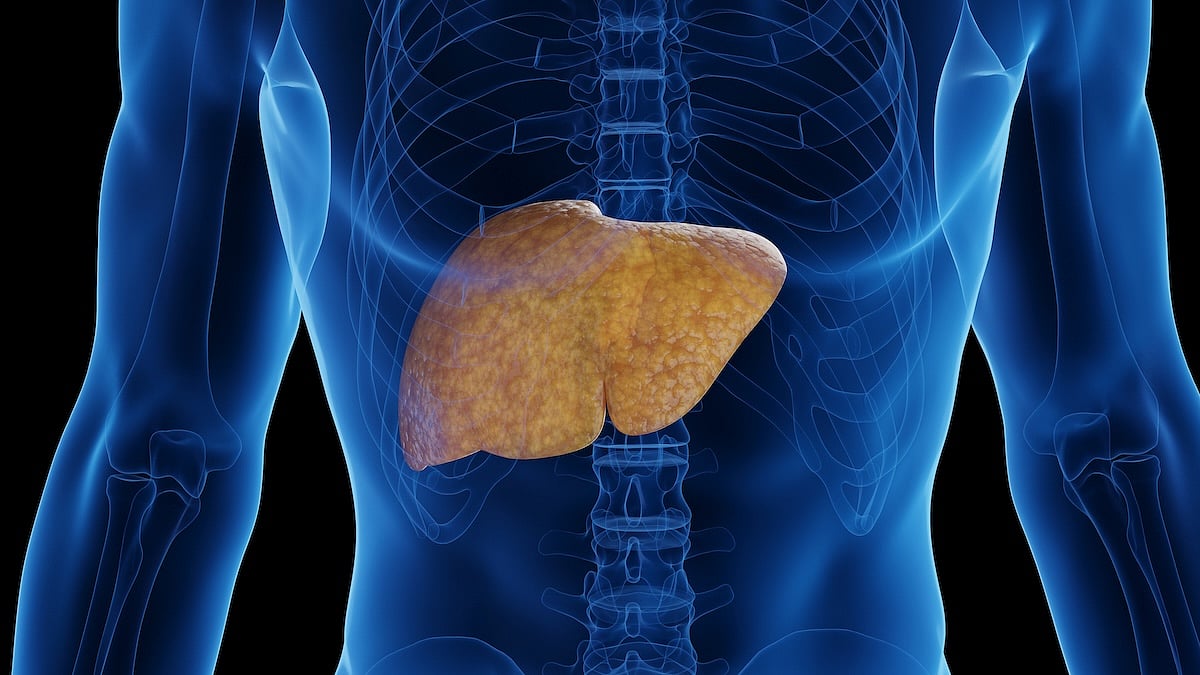 Genetics, Diabetes Tied to MASLD-Associated Cirrhosis Before Age 50
  Steatotic Liver Disease Risk Scores Compared for Predicting Cirrhosis
  Cirrhosis Can Recur After Liver Transplant
  Family History of CRC Increases CRC Risk Similarly in IBD, General Population
  Relapse Rare After Appendiceal Adenocarcinoma Resection


.jpg)

