More than half of those sickened are young children, and eight people have been hospitalized
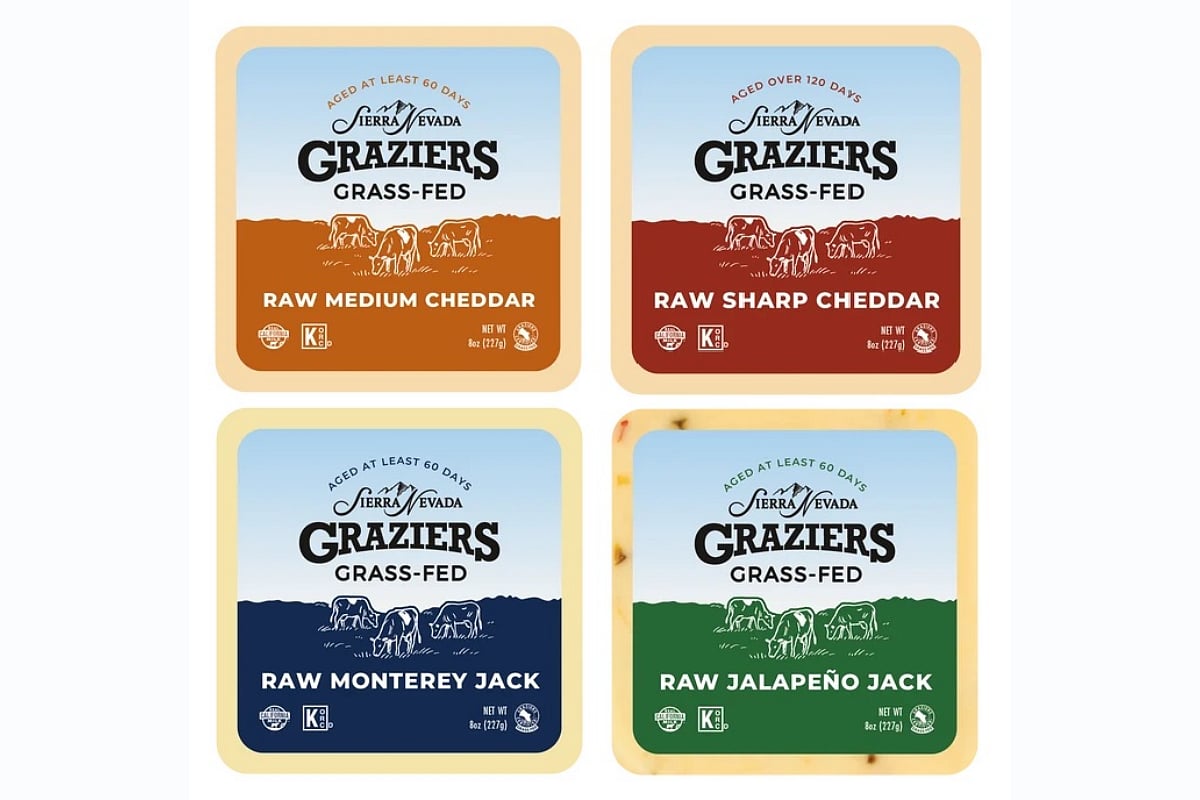
MONDAY, Sept. 28, 2026 (HealthDay News) — All Graziers raw milk cheeses are being pulled from the market nationwide after the products were tied to an E. coli outbreak that has sickened more than a dozen people, many of them young children.
Sierra Nevada Cheese Company started the voluntary recall Sept. 24. That same day, the U.S. Food and Drug Administration (FDA) alerted the company to the outbreak and advised it to pull its products.
The recall covers four grass-fed raw milk varieties: medium cheddar, sharp cheddar, jalapeño jack and Monterey jack. Shoppers bought them in 8-ounce or 16-ounce packages at stores and online, while restaurants and wholesalers received 5-pound loaves.
As of Sept. 25, 13 people had fallen ill in California, Colorado, Georgia, Kentucky, Michigan, Nevada, Oregon, Tennessee and Utah. Eight were hospitalized, and no one has died.
More than half of those sickened are children 5 or younger, according to the U.S. Centers for Disease Control and Prevention (CDC).
State and local health officials asked nine of the patients what they ate in the week before getting sick. Every one of them named Graziers cheese.
Three patients developed hemolytic uremic syndrome (HUS), a dangerous kidney complication of some E. coli infections, the FDA noted.
In a Facebook post, the company said investigators haven”t traced the illnesses to a particular lot or date code, so it”s recalling every Graziers raw milk cheese now on the market.
“Consumers should not consume any Graziers Raw Milk Cheese currently in their refrigerator and should dispose of the product,” the company said.
Because the cheese keeps for a long time, officials urge people to check freezers as well as refrigerators. Throw out any cheese that was rewrapped and can”t be identified. Recalled cheese can also be returned to the store for a refund.
The CDC also recommends washing anything the cheese touched, including cutting boards, containers and counters, in hot, soapy water or the dishwasher.
E. coli symptoms can show up anywhere from a few days to nine days after eating tainted food. They include severe stomach cramps, diarrhea that”s often bloody, fever, nausea and vomiting.
The CDC advises calling a healthcare provider right away for diarrhea with a fever above 102 degrees Fahrenheit, diarrhea that lasts more than two days without getting better, bloody diarrhea or vomiting so severe that liquids won”t stay down.
Signs of dehydration, such as peeing very little, a dry mouth and throat or feeling dizzy when standing, also call for prompt care.
The agency also recommends choosing pasteurized (heat-treated) milk and dairy products, especially for children under 5. Young kids are more likely to become seriously ill from food poisoning.
More information
Visit the U.S. Centers for Disease Control and Prevention for more information about raw milk and food safety.
 Nearly 3 in 4 Older Adults Express Interest in Vaccine to Prevent Dementia
  People With Autism Have Shorter Life Expectancy
  Acute Myeloid Leukemia Increasingly Impacting Older Adults Globally
  Adults Hold Outdated Beliefs About Antibiotics
  Healthy Lifestyle in Early Childhood Linked to Lower Risk for IBD
  Non-U.S.-Born Physicians Make Up Nearly Half of Internal Medicine Workforce
  NEWS2 Scores Can ID Patients With Suspected Sepsis Needing Timely Treatment
  CHEST Issues Guidelines for Management of Adult Bronchiectasis