


Of the 12 community-associated carbapenem-resistant Enterobacterales isolates sequenced, five harbored a carbapenemase gene
THURSDAY, Aug. 18, 2022 (HealthDay News) — In 2012 to 2015, 10 percent of carbapenem-resistant Enterobacterales (CRE) cases in the United States were community-associated (CA), according to a study published online July 27 in the American Journal of Infection Control.
Sandra N. Bulens, M.P.H., from the U.S. Centers for Disease Control and Prevention in Atlanta, and colleagues conducted active, population-based surveillance from January 2012 to December 2015 to identify case patients with cultures positive for Enterobacterales not susceptible to a carbapenem (excluding ertapenem) and resistant to all third-generation cephalosporins. Cases were classified as either health care-associated or CA if the patient had no known health care risk factors and a culture was collected less than three days after hospital admission.
The researchers identified 1,499 CRE cases in 1,194 case patients; of these, 149 cases in 139 patients were CA. The incidence of CRE cases was 2.96 per 100,000 population overall and 0.29 per 100,000 for CA-CRE. Seventy-three percent of the CA-CRE cases were in White persons, 84 percent were in women, and 98 percent were identified from urine cultures. Five of the 12 sequenced CA-CRE isolates harbored a carbapenemase gene.
“While only 10 percent of the CRE cases in our study were determined to be community-associated, this finding, coupled with the fact that five of 12 CRE isolates we sequenced had carbapenemase genes is concerning,” Bulens said in a statement. “Further investigation is needed to understand this emergence in the community and how infection prevention and control efforts can be targeted to reduce spread.”
 Less Intraoperative Crystalloid Fluid Not Tied to Worse Surgical Outcomes
 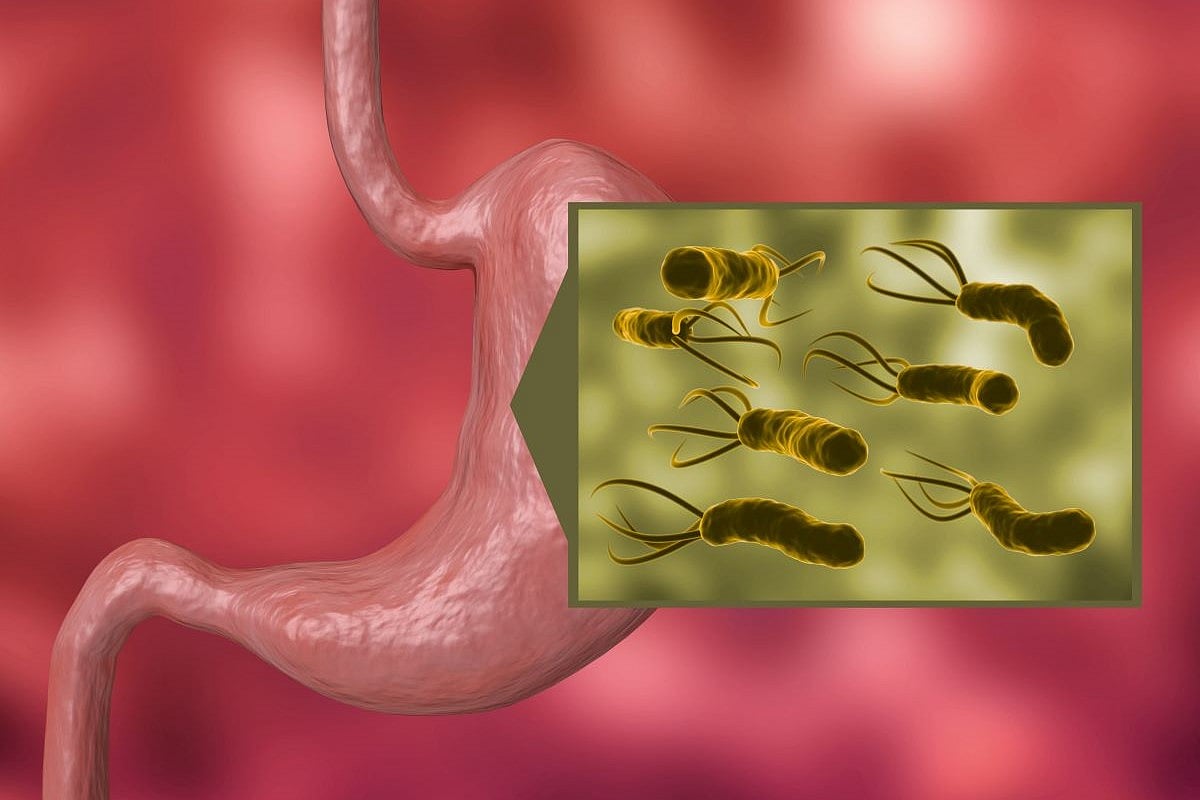 H. Pylori Exposure May Contribute to Global Burden of Colorectal Cancer
  Distinct Skin Microbiome Features Emerge Before Atopic Disease Onset in Infants
  About 1 in 20 Hospitalized U.S. Adults With Firearm Injuries Develop Bacterial Infections
  Withdrawal From Medetomidine Increasingly Seen in ICUs
  Multicomponent Interventions Offer Little Impact on Fall Risk
  ED Visits for Gambling Disorder Spike After Canada Liberalizes Online Gambling
  Nearly 2 in 3 Poison Exposures in Young Children May Not Need the ED
 .jpg)




