


Risk highest in the two years following colorectal cancer diagnosis
THURSDAY, March 27, 2025 (HealthDay News) — Colorectal cancer (CRC) is tied to an increased risk for cardiovascular mortality, especially in individuals younger than 50 years, according to a study presented at the annual meeting of the American College of Cardiology, held from March 29 to 31 in Chicago.
Manahil Khan and Ahsan Ayaz, M.D., from Montefiore St. Luke”s Cornwall Hospital in Newburgh, New York, quantified cardiovascular mortality in patients with CRC. The analysis included 631,699 patients identified from the Surveillance, Epidemiology, and End Results database (2000 to 2021).
The researchers found that in the overall population, there was a significant increase in cardiovascular mortality (standardized mortality ratio [SMR], 1.16) with the highest risk within two years of CRC diagnosis (SMR, 1.45). This short-term cardiovascular mortality risk was greatest among younger adults (younger than 50 years; SMR, 2.40), men (SMR, 1.55), and non-Hispanic Black patients (SMR, 1.74).
“Based on our findings, the two-year period after a colorectal cancer diagnosis is a critical period when patients need aggressive care to improve cardiovascular outcomes,” Ayaz said in a statement. “For example, there should be an aggressive approach to control cardiovascular risk factors and comorbidities like diabetes and hypertension. There is also a need for coordination between oncology teams and primary care teams, because most of those risk factors are managed by primary care providers.”
 Surveillance Colonoscopy at Five Years After Adenoma Removal Noninferior to Three Years
  Family History of CRC Increases CRC Risk Similarly in IBD, General Population
  Lower Breast, Cervical Cancer Screening Seen for Adults With Disabilities
 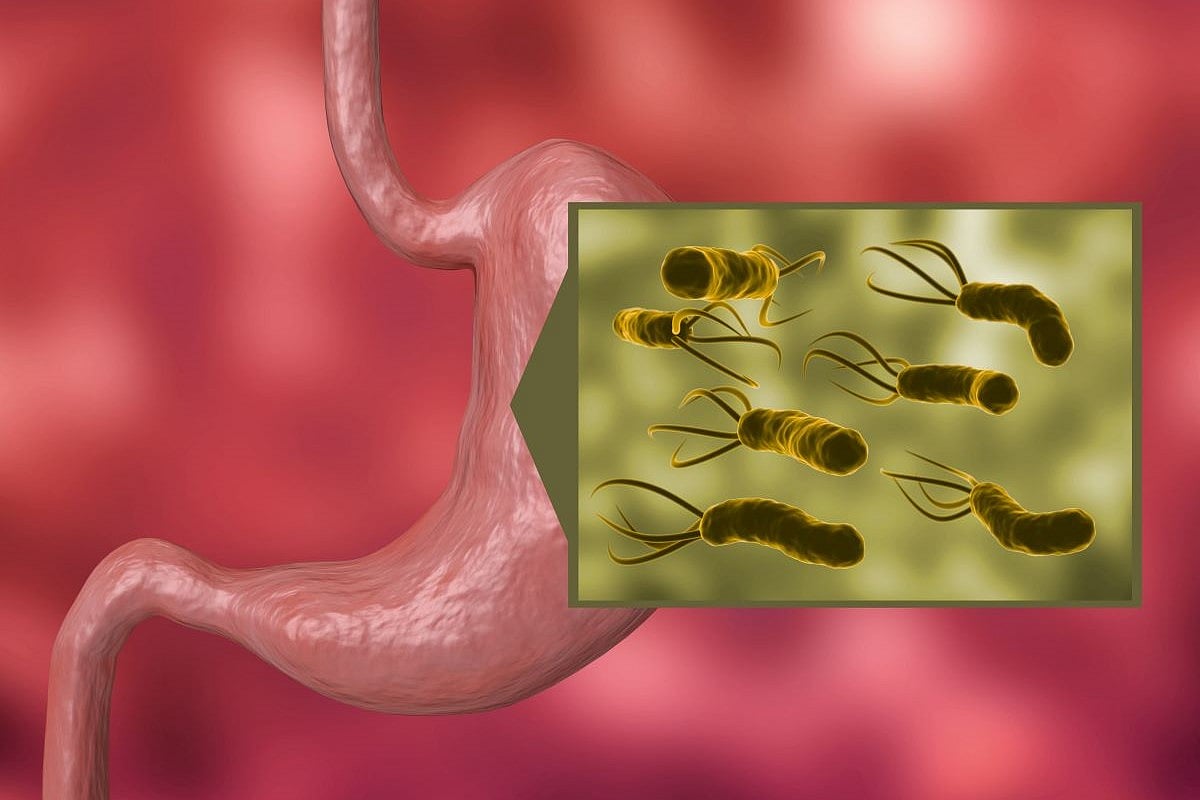 H. Pylori Exposure May Contribute to Global Burden of Colorectal Cancer
  Distinct Skin Microbiome Features Emerge Before Atopic Disease Onset in Infants
  Freshwater Swimming Tied to Stomach Bugs, Skin Conditions
  Couples" Coping Skills Help Reduce Depression in GI Cancer Survivors
  Organized, Biennial FIT-Based Screening Linked to Lower Colorectal Cancer Mortality
 .jpg)




