Patients younger than 50 years diagnosed with EOCRC were more likely to have a benign colon indication, bleeding, and family history of CRC
THURSDAY, Oct. 9, 2025 (HealthDay News) — Adults younger than 50 years of age undergoing colonoscopy have a dramatically higher risk for colorectal cancer (CRC) when the procedure is done for rectal bleeding, according to a study presented at the annual meeting of the American College of Surgeons, held from Oct. 4 to 7 in Chicago.
Allie Jin, from the University of Louisville School of Medicine in Kentucky, and colleagues conducted a retrospective cohort study to examine factors associated with early-onset CRC (EOCRC). Pathology reports, demographics, symptoms, and family history were compared for EOCRC cases and noncases who underwent colonoscopy at a tertiary care center (2021 to 2023) for any reason.
Among 443 patients younger than 50 years (44 percent EOCRC cases), the researchers found that most EOCRC cases (88 percent) underwent colonoscopy due to symptoms compared with 55 percent of noncases. CRC cases were significantly more likely to have a benign colon indication (adjusted odds ratio [aOR], 7.64), bleeding (aOR, 8.56), and a family history of CRC (aOR, 2.05), and were more likely to be former smokers (aOR, 1.95). EOCRC cases were more likely to present with bleeding (39 percent versus 23 percent of noncases). Only 13 percent of EOCRC cases were microsatellite-deficient.
“This research lends support to the question of who does or doesn”t warrant a colonoscopy: if you have a person below the screening age with rectal bleeding, you should seriously consider a colonoscopy,” senior author Sandra Kavalukas, M.D., also from the University of Louisville, said in a statement.
 Family History of CRC Increases CRC Risk Similarly in IBD, General Population
  Lower Breast, Cervical Cancer Screening Seen for Adults With Disabilities
 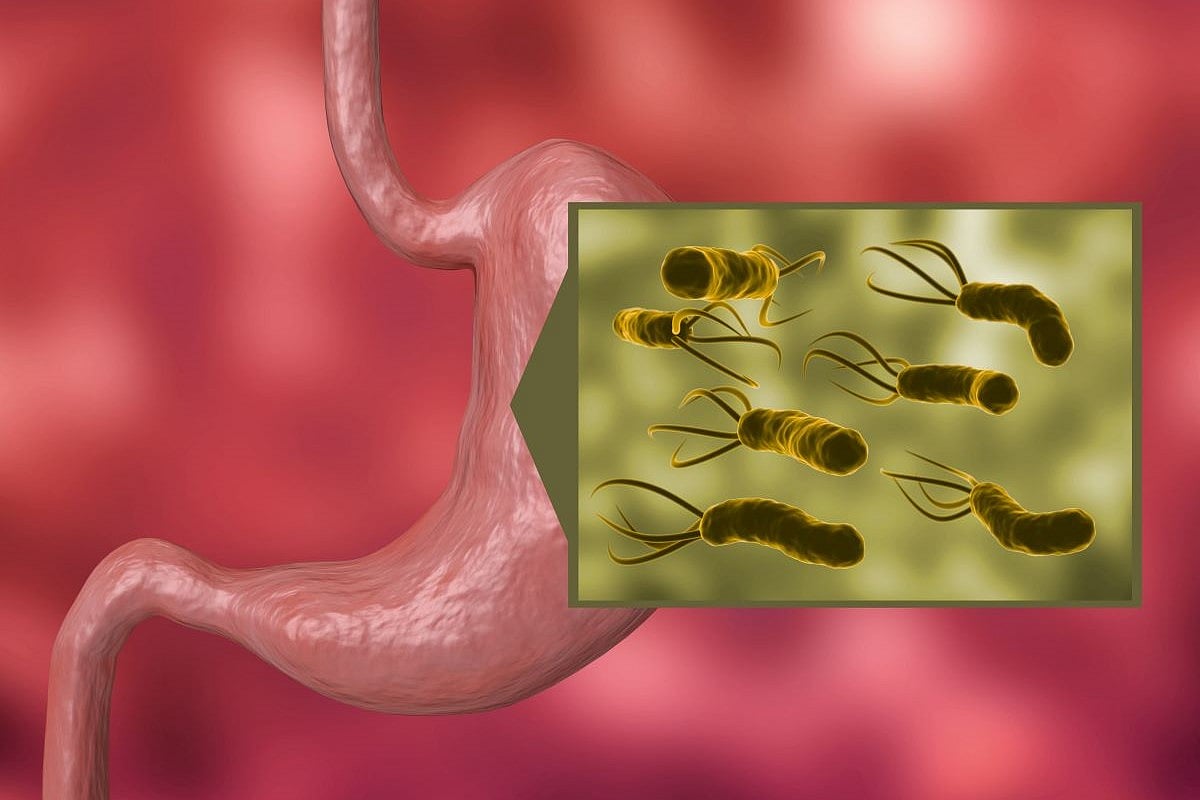 H. Pylori Exposure May Contribute to Global Burden of Colorectal Cancer
  Couples" Coping Skills Help Reduce Depression in GI Cancer Survivors
  Structured Exercise Should Be Considered as Adjunct Therapy for Cancer
  AACR Annual Report Highlights Progress in Cancer Research
  Air Pollution Tied to Higher Risk for Suicide
  Psychiatrists Only Agree 55 Percent of the Time on Diagnoses