


Findings seen among low-income individuals with diabetes and poor glycemic control
MONDAY, Nov. 13, 2023 (HealthDay News) — A fresh produce prescription program can significantly improve hemoglobin A1c (HbA1c) among low-income patients with diabetes and poor glycemic control, according to a study presented at the American Heart Association Scientific Sessions 2023, held from Nov. 11 to 13 in Philadelphia.
Claudia Nau, Ph.D., from Kaiser Permanente Southern California in Pasadena, and colleagues assigned 450 eligible Kaiser Permanente Southern California patients (1:1:1) to a control group or a high- or low-dose intervention group (scaled to household size and ranging from $90 to $270 and $90 to $180, respectively). Adult participants were enrolled through Medicaid and had type 2 diabetes with at least two HbA1c values >7.5 percent in the past 12 months.
The researchers found that at baseline, HbA1c was 9.40 percent, body mass index was 34.1 kg/m2, 74 percent had elevated blood pressure or hypertension (stage 1 or 2), and 58.3 percent were food-insecure. Compared with control, HbA1c at six months was significantly lower in the intervention groups (−0.32 points). There was not a significant difference seen in reduction in HbA1c between the high- and low-dose interventions.
“The availability and affordability of fresh foods and vegetables are key social determinants of health for people managing diet-related health conditions,” Nau said in a statement. “Providing healthy foods and dietary counseling can be an important complement to medical care.”
One author disclosed ties to the fresh produce industry.
.jpg) Pregnancy Complications Linked to Subsequent Risk for Cardiometabolic-Renal Conditions
Pregnancy Complications Linked to Subsequent Risk for Cardiometabolic-Renal Conditions  GLP-1 Receptor Agonists, SGLT-2is Slow Renal Function Decline in T2D With Albuminuria
 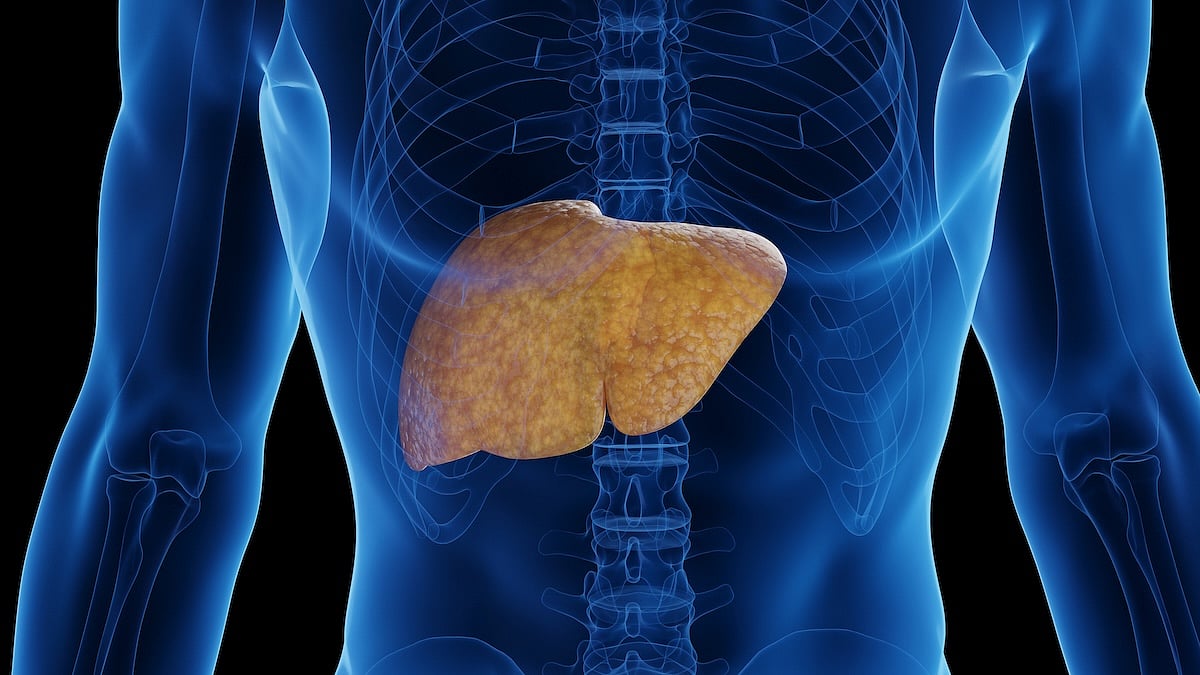 Genetics, Diabetes Tied to MASLD-Associated Cirrhosis Before Age 50
  Study IDs Risk Factors for Ketoacidosis in Adults With T2D Receiving SGLT2 Inhibitors
 .jpg) Most Specialty Oral Anticancer Meds for Blood Cancers Are Initially Rejected by Insurers
Most Specialty Oral Anticancer Meds for Blood Cancers Are Initially Rejected by Insurers  Drug Interactions Reducing Contraceptive Effectiveness Common in Epilepsy
  Holding DMARDs at Time of COVID-19 Vaccine Not Warranted in Those With Inflammatory Arthritis
  1 in 3 With Lupus Take Supplements, Medications With Potential for Interactions


