


Lower risk for MCI and dementia also seen with moderate, high cardiovascular health in those with high polygenic risk score
TUESDAY, Nov. 4, 2025 (HealthDay News) — Having optimal cardiovascular health (CVH) is associated with a reduced risk for mild cognitive impairment (MCI) among people with type 2 diabetes, according to a study presented at the American Heart Association Scientific Sessions 2025, held from Nov. 7 to 10 in New Orleans.
Yilin Yoshida, Ph.D., M.P.H., from the Tulane University School of Medicine in New Orleans, and colleagues examined how Life”s Essential 8 (LE8) and genetic risk for dementia affect the risk for MCI and dementia in a study of 15,613 participants with diabetes from the U.K. Biobank and 20,160 from the All of Us cohort.
The researchers identified 398 MCI and 390 dementia cases in participants with diabetes during 13 years of follow-up in the U.K. Biobank. Individuals with moderate or high versus low CVH had a lower risk for MCI and dementia (hazard ratios [95 percent confidence intervals], 0.82 [0.65 to 0.99] and 0.93 [0.73 to 1.17], respectively). Positive and significant associations were seen for increases in LE8 with grey matter volume and negative associations were seen with white matter hyperintensity volume (adjusted β per LE8 20 increase, 0.004 and −0.06, respectively). In the group with high polygenic risk scores, lower risks for MCI and dementia were seen for those with moderate or high CVH (hazard ratios [95 percent confidence intervals], 0.55 [0.34 to 0.9] and 0.75 [0.47 to 1.2], respectively). Similar results were seen in the Alzheimer disease dementia analysis, with attenuated statistical significance. The results were generally similar in the All of Us cohort.
“Our study found that following steps to improve cardiovascular health can also reduce the risk for cognitive impairment among people with type 2 diabetes,” Yoshida said in a statement.
One author disclosed ties to the pharmaceutical industry.
 Weight-Loss Surgery Produces Lasting Diabetes Remission
.jpg) Pregnancy Complications Linked to Subsequent Risk for Cardiometabolic-Renal Conditions
 GLP-1 Receptor Agonists, SGLT-2is Slow Renal Function Decline in T2D With Albuminuria
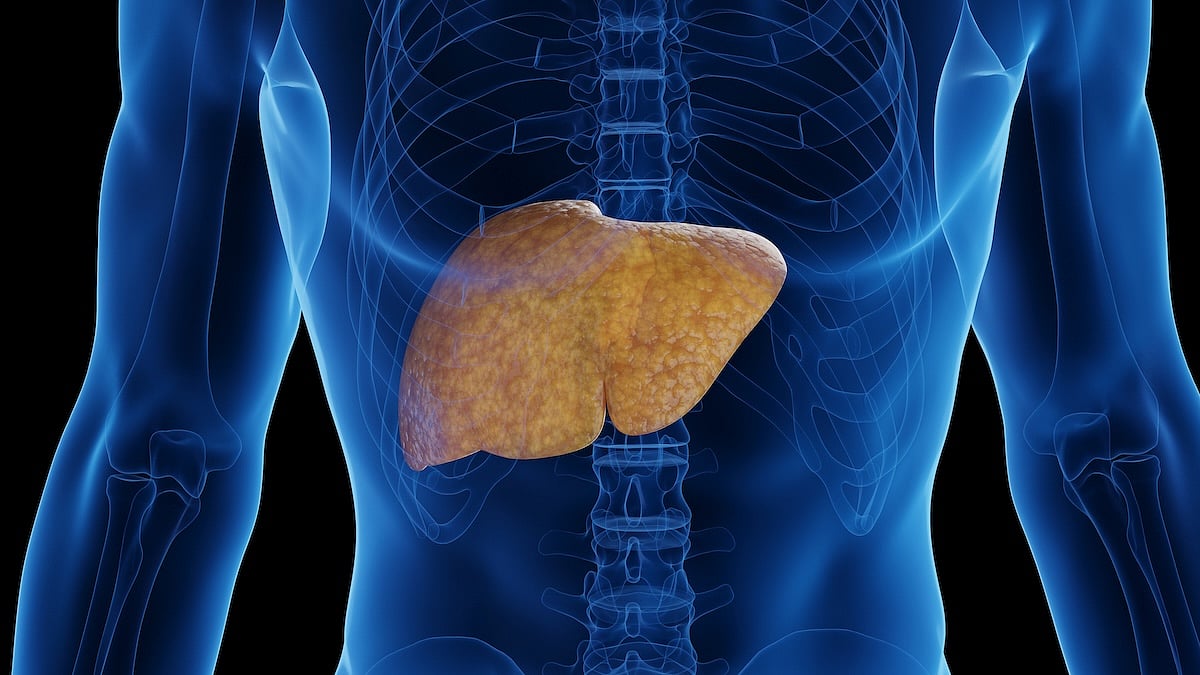 Genetics, Diabetes Tied to MASLD-Associated Cirrhosis Before Age 50
 Heated Tobacco Products Are Not Biologically Inert
 Steatotic Liver Disease Risk Scores Compared for Predicting Cirrhosis
 Cirrhosis Can Recur After Liver Transplant
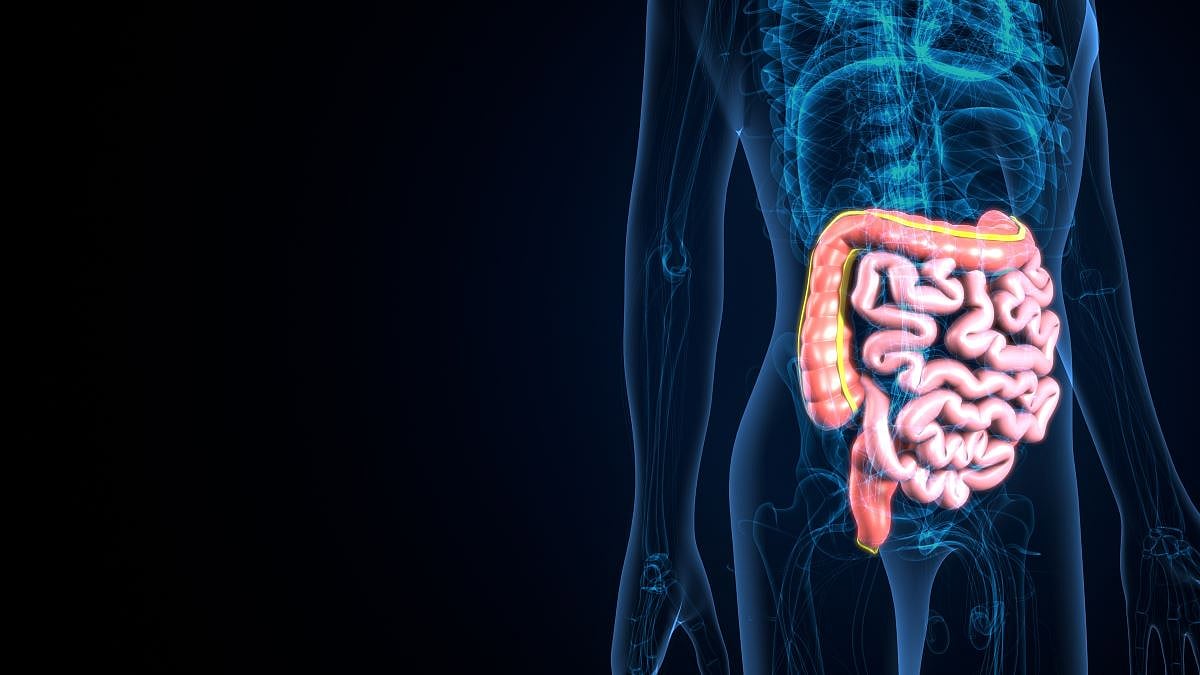 Family History of CRC Increases CRC Risk Similarly in IBD, General Population





