


Compared with standard microscopic assessment, AI-augmented digital system improves accuracy of classification of polyps by pathologists
WEDNESDAY, Dec. 1, 2021 (HealthDay News) — Use of an artificial intelligence (AI)-augmented digital system that annotates regions of interest within digitalized polyp tissue and predicts polyp types using a deep learning model helps improve the accuracy of classification by pathologists, according to a study published online Nov. 18 in JAMA Network Open.
Mustafa Nasir-Moin, from the Geisel School of Medicine in Hanover, New Hampshire, and colleagues compared standard microscopic assessment with an AI-augmented digital system. A total of 100 slides with colorectal polyp samples were read by 15 pathologists using a microscope and an AI-augmented digital system.
The researchers found that use of the AI-augmented digital system compared with microscopic assessment significantly improved pathologists’ classification accuracy from 73.9 to 80.8 percent. Evaluation time per slide was longer with the digital system compared with microscopic examination (mean, 21.7 versus 13.0 seconds, respectively; difference of 8.8 seconds); as pathologists became more familiar and experienced with the digital system, this difference decreased. On the last set of 20 slides, the difference in the time of evaluation was 4.8 seconds when using the microscope versus the digital system.
“Wide adoption of this tool in clinical practice may be associated with limited overuse and underuse of subsequent surveillance colonoscopy; reduced stress, financial burden, and complications from unnecessary procedures; and prevention of delayed diagnosis of cancer,” the authors write.
One author disclosed financial ties to Freenome Inc. and Amadix Inc.
 Surveillance Colonoscopy at Five Years After Adenoma Removal Noninferior to Three Years
  Family History of CRC Increases CRC Risk Similarly in IBD, General Population
 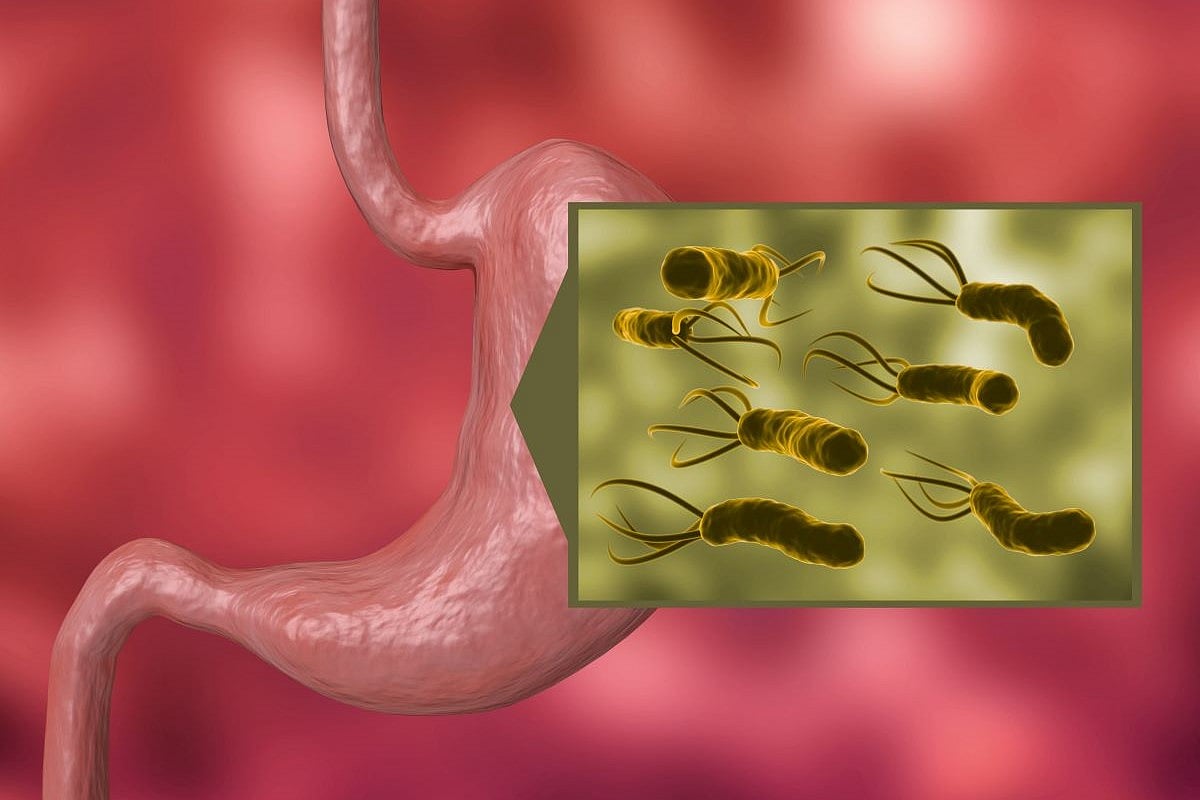 H. Pylori Exposure May Contribute to Global Burden of Colorectal Cancer
  Lower Breast, Cervical Cancer Screening Seen for Adults With Disabilities
  Gap Found Between Awareness of Breast Cancer Risk and Risk-Reducing Behavior
  Pre-Prostate Biopsy MRI Use Increased From 2017 to 2026
  Exercise Intervention Linked to Improved Attention, Memory in Breast Cancer
  Dense Breast Notification Linked to Increase in Use of Supplemental Ultrasound
 .jpg)




