Females, children more sensitive to changes in air pollutants
MONDAY, Jan. 23, 2023 (HealthDay News) — Short-term air pollutant exposures are associated with psoriasis, according to a study published online Dec. 22 in Frontiers in Public Health.
Ting Wang, from the School of Public Health at Anhui Medical University in Hefei, China, and colleagues examined the short-term effects of air pollutants on outpatients with psoriasis in China between 2015 and 2019. Patients of different ages and genders were included in the stratified analyses.
The researchers found that an increase of 10 μg/m3 of nitrogen dioxide was associated with a 2.1 percent increase in outpatients with psoriasis, while a decrease of 10 μg/m3 of ozone was associated with a 0.8 percent increase in outpatients with psoriasis. Male patients were more sensitive to a change in meteorological factors, while female patients and outpatients with psoriasis aged 17 years or younger were more sensitive to a change in air pollutants.
“In conclusion, short-term air pollutant exposures were correlated with the occurrence of psoriasis in outpatients. Females, and outpatients with psoriasis aged 0 to 17 years old, were more sensitive to the changes in air pollutants,” the authors write. “This finding suggests that patients and people at high risk of psoriasis should reduce their time outdoors and improve the quality of their protective gear when the air quality is poor.”
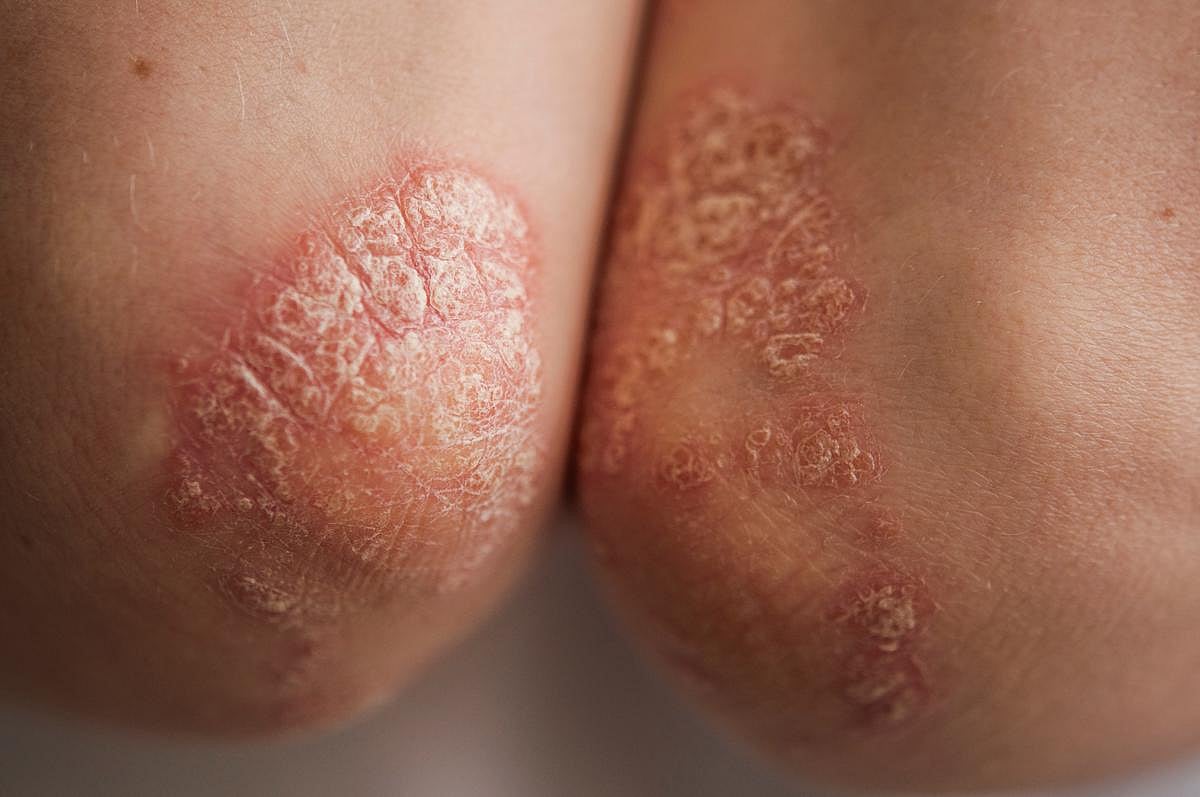 Mortality, Comorbidity Risk Increased With Generalized Pustular Psoriasis
  Air Pollution Tied to Higher Risk for Suicide
  Higher Short-Term Exposure to Pollen Linked to Lower FEV1 in COPD
 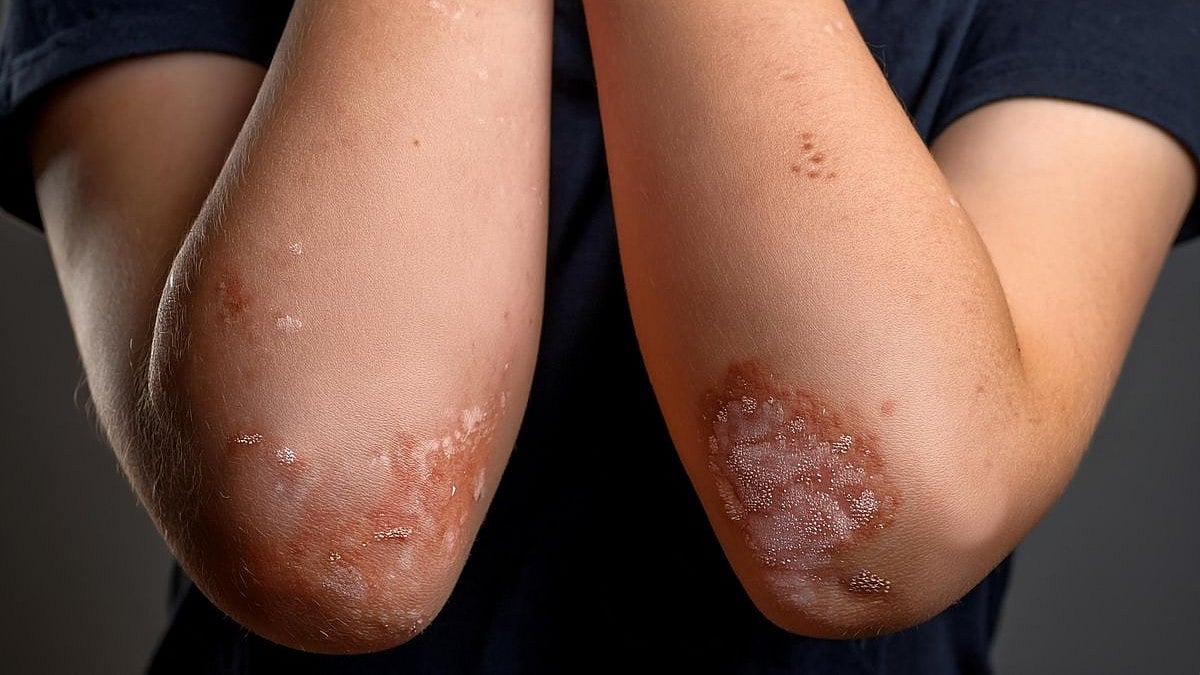 Long-Term Risk for Incident Psoriasis Elevated With Irritable Bowel Syndrome
 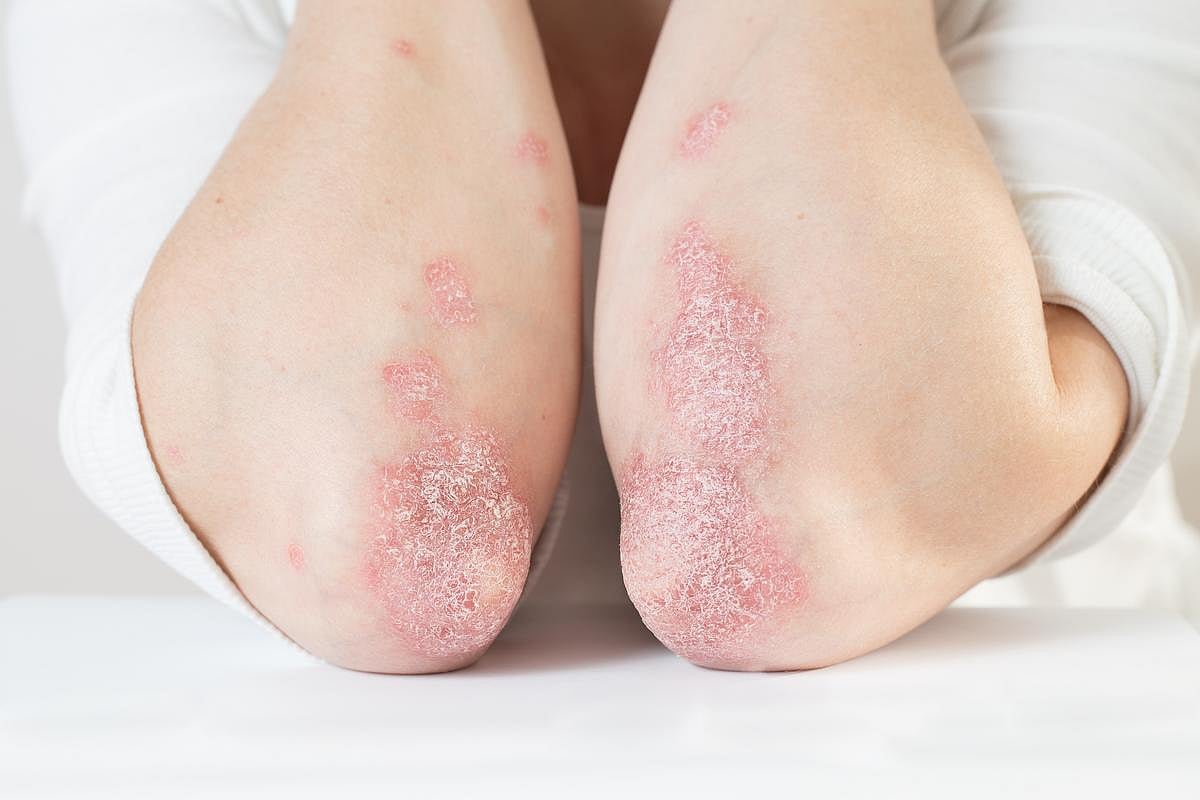 Burden of Myocardial Dysfunction Elevated for Individuals With Psoriasis
 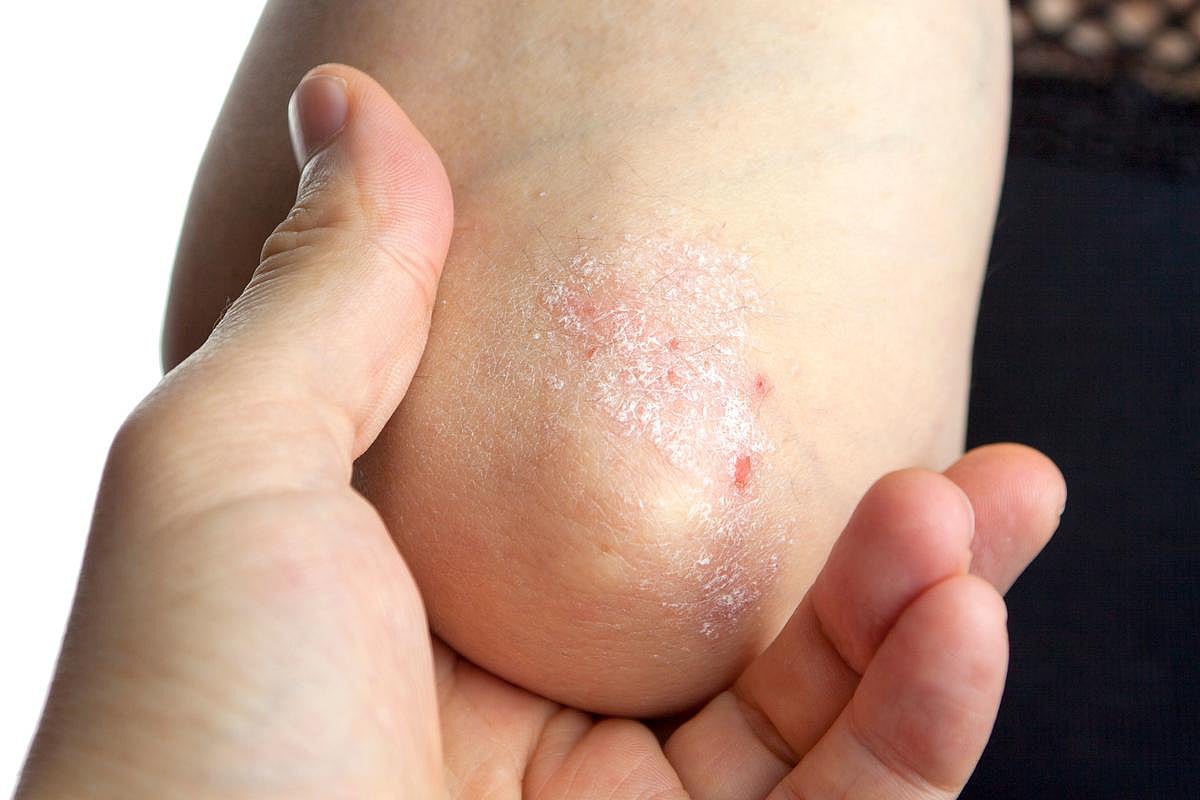 Dose Reduction of Biologics Effective, Safe for Psoriasis