


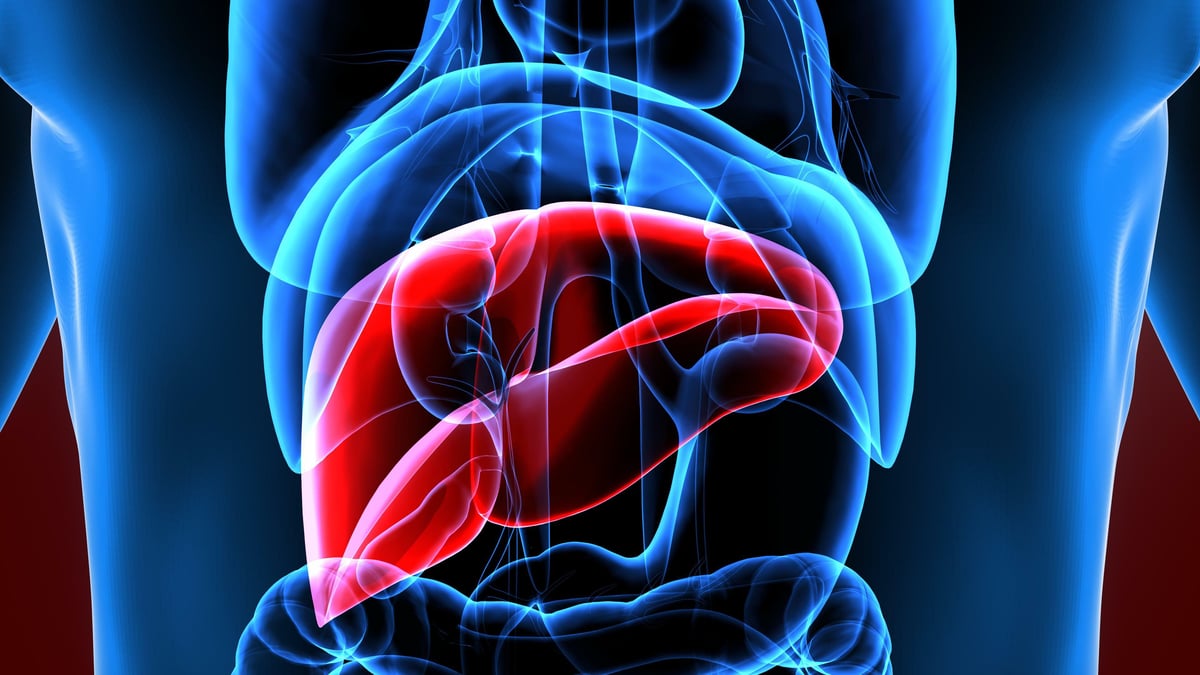
Findings seen even among patients who have already progressed to high-risk portal hypertension
WEDNESDAY, Dec. 28, 2022 (HealthDay News) — Alcohol abstinence improves prognosis across all stages of portal hypertension in alcohol-related cirrhosis, according to a study published online Dec. 5 in Clinical Gastroenterology and Hepatology.
Benedikt Silvester Hofer, M.D., from University of Vienna, and colleagues assessed the clinical implications of abstinence in patients with alcohol-related cirrhosis and clinically significant portal hypertension (CSPH). The analysis included 320 patients with alcohol-related cirrhosis (median age, 57 years; 75.6 percent male; 87.5 percent decompensated) with a median hepatic venous pressure gradient (HVPG) of 20 mm Hg and a median 36 months of follow-up data.
The researchers found that three-quarters of patients (75.3 percent) remained abstinent. There was a significant association observed between alcohol abstinence and a reduced risk for hepatic decompensation (adjusted hazard ratio, 0.391), as well as liver-related (adjusted hazard ratio, 0.428) and all-cause mortality (adjusted hazard ratio, 0.453) when adjusting for baseline HVPG, Model for End-stage Liver Disease score, and previous decompensation. Among both those with HVPG 10 to 19 mm Hg and HVPG ≥20 mm Hg, alcohol abstinence significantly reduced the cumulative incidence of hepatic decompensation. For abstinent patients versus active drinkers, the three-year decompensation probability was 32.4 versus 60.0 percent in the HVPG 10 to 19 mm Hg group and 57.5 versus 82.6 percent in the HVPG ≥20 mm Hg group.
“Our new data provide important evidence for the daily counselling of our patients and show that it is never too late to strive for complete abstinence from alcohol,” a coauthor said in a statement.
Several authors disclosed financial ties to the pharmaceutical industry.
.jpg) Pregnancy Complications Linked to Subsequent Risk for Cardiometabolic-Renal Conditions
Pregnancy Complications Linked to Subsequent Risk for Cardiometabolic-Renal Conditions  Isometric Exercise Training Three Times a Week Preserves Cardiovascular Benefits
  Steatotic Liver Disease Risk Scores Compared for Predicting Cirrhosis
  IBD Not Linked to Risk for Hypertensive Disorders of Pregnancy Overall
  Low Levels of Placental Growth Factor in Pregnancy Linked to Subsequent ADHD in Offspring
  Recommendations Issued for Use of Incretin-Based Meds in Pregnancy
  Serum 25(OH)D May Serve as Biomarker of Disease Activity in IBD
  Maternal Vitamin D Status Linked to Preterm Delivery

.jpg)

