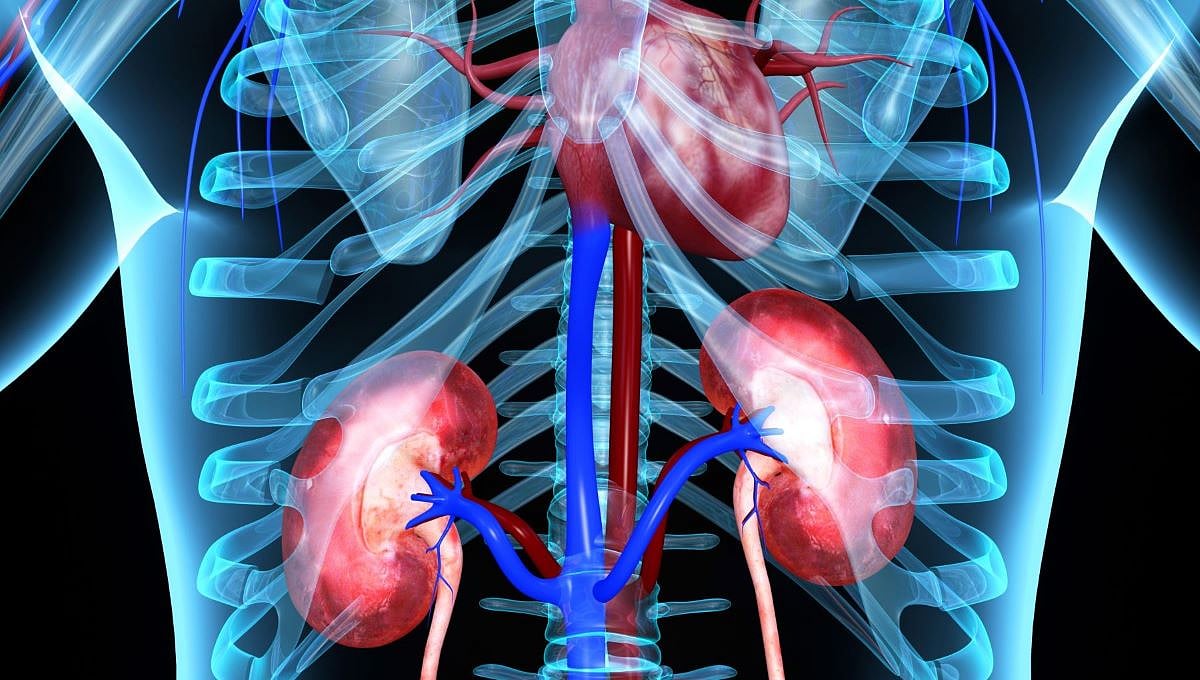
More rapid increases in ALD mortality seen for women than men, and a concerning trend seen for young adults
TUESDAY, June 17, 2025 (HealthDay News) — Alcohol-associated liver disease (ALD) mortality increased significantly from 2019 to 2022, according to a study published online June 11 in JAMA Network Open.
Chun-Wei Pan, M.D., from the John H. Stroger Hospital of Cook County in Chicago, and colleagues conducted a retrospective cross-sectional analysis using the U.S. Centers for Disease Control and Prevention Wide Ranging Online Data for Epidemiologic Research mortality database from 1999 to 2022 to examine national trends in ALD mortality.
There were 436,814 ALD deaths recorded in this study; from 1999 to 2022, ALD mortality increased from 6.71 to 12.53 deaths per 100,000, with a significant acceleration during 2018 to 2022 (annual percentage change [APC], 8.94 percent). The researchers found more rapid increases for women than men (average APC [AAPC], 4.29 versus 2.50 percent) and a concerning trend for young adults (aged 25 to 44 years; AAPC, 4.23 percent). The highest mortality rates were experienced by American Indian and Alaska Native populations (AAPC, 4.93 percent). There was an increase in alcohol-associated hepatitis mortality (AAPC, 2.08 percent), with steeper increases for women than men (AAPC, 3.94 versus 1.56 percent). An increase was also seen in alcohol-associated cirrhosis mortality (AAPC, 4.00 percent), with trends particularly concerning for women (APC, 8.32 percent from 2011 to 2022) and for young adults (APC, 19.51 percent from 2018 to 2022).
“These findings demand comprehensive public health strategies focused on enhanced screening, improved addiction treatment access, and targeted interventions for high-risk groups,” the authors write.
Two authors disclosed ties to the biopharmaceutical and medical technology industries.
 Increase Seen in Rates of Xenobiotic-Induced Liver Injury From 2020 to 2024
  Impact of Alcohol Intake on Fibrosis Risk Varies by Sex, Liver Disease
  Link Between Liver Fibrosis in MASLD, ASCVD Varies by Glycemic Status
  3.2 Percent Undergoing Bariatric Surgery Develop New Alcohol-Related Diagnosis
  Most Metabolic and Bariatric Surgery Candidates Meet Criteria for Clinical Obesity
  Obesity Treatment for U.S. Adolescents and Young Adults Shifted Rapidly From 2022 to 2026
  Stepped Alcohol Treatment Via Telehealth Reduces Alcohol Use
  RYGB, Sleeve Gastrectomy Cost-Effective for Teens With Severe Obesity