


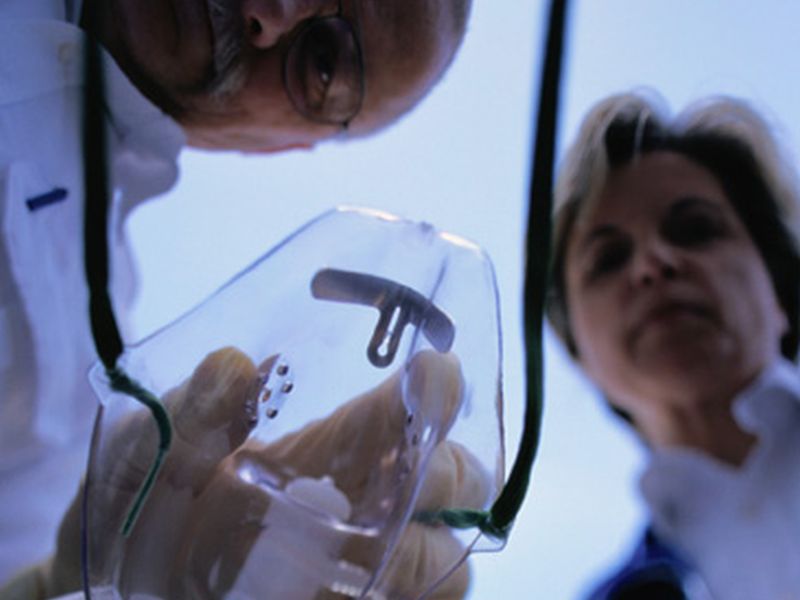
 NORA cases less likely in small community hospitals, more common outside normal working hours
MONDAY, Oct. 24, 2016 (HealthDay News) — Patient and case characteristics differ for non-operating room anesthesia (NORA) and operating room (OR) anesthesia, according to a study presented at the annual meeting of the American Society of Anesthesiologists, held from Oct. 22 to 26 in Chicago.
Alexander Nagrebetsky, M.D., from John H. Stroger Hospital of Cook County in Chicago, and colleagues conducted a retrospective analysis of data from the National Anesthesia Clinical Outcomes Registry to summarize NORA patient and case characteristics. The cohort included data reported from 2,439 health care facilities.
The researchers identified 5,929,953 NORA cases and 12,387,574 OR cases. Compared with OR patients, the mean age of NORA patients was 3.5 years higher (P < 0.001). Compared with patients with American Society of Anesthesiologists Physical Status (ASA PS) I to II, patients with ASA PS class III to V were more likely to belong to the NORA group (odds ratio, 1.16; P < 0.001). NORA cases were less likely in small community hospitals than university hospitals (odds ratio, 0.67; P < 0.001). NORA cases were more common outside of normal working hours (odds ratio, 1.33; P < 0.001). The most commonly reported NORA procedure was colonoscopy.
“The growth reflects a shift toward safer, less-invasive procedures and tests that still require anesthesia,” a coauthor said in a statement. “It’s important that anesthesia for patients with severe health conditions is provided by physician anesthesiologists who have the extensive training and skill to deliver safe care.”
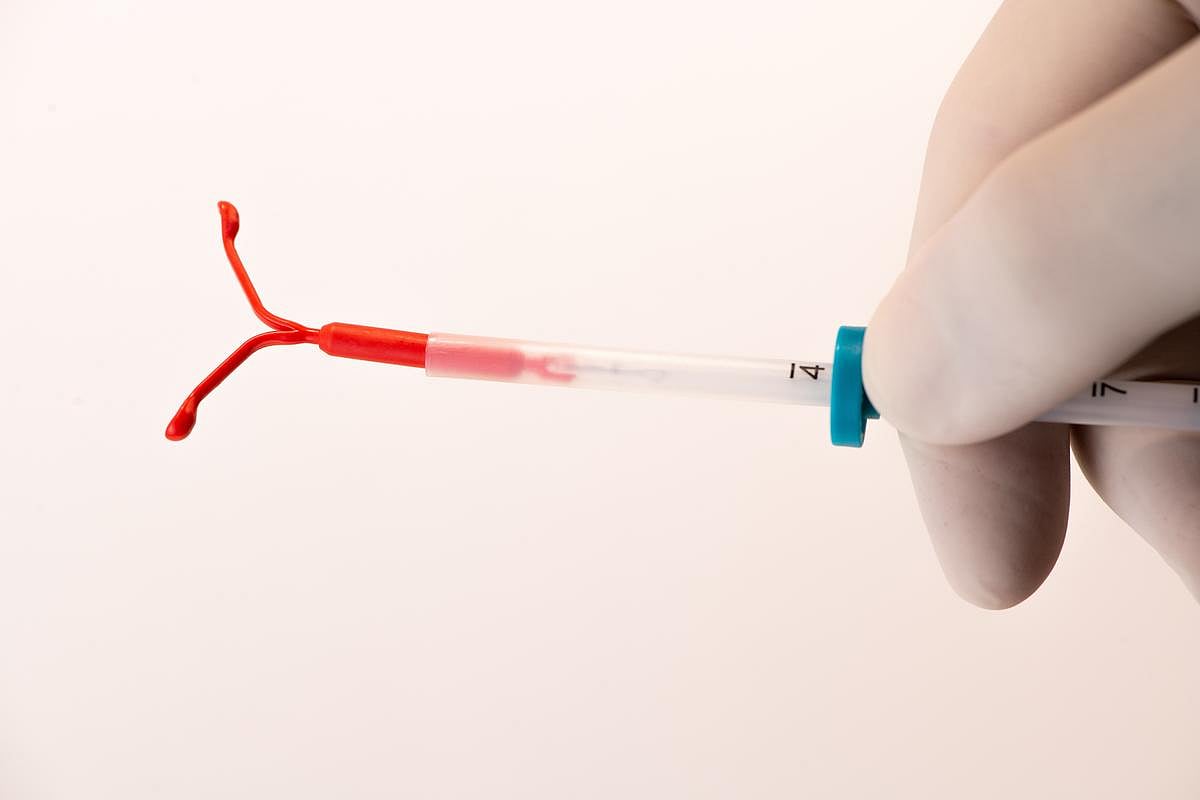 Intrauterine Instillation of Mepivacaine Reduces Pain of IUD Placement
  Socioeconomic Status Linked to Mortality After Acute Hip Fracture Surgery
  Napping Opportunity May Improve Clinical Performance of Anesthesia Residents
  People Using Illicitly Sourced Fentanyl Face Worse Outcomes Than Medically Sourced Users
  Withdrawal From Medetomidine Increasingly Seen in ICUs
  Ultrasound-Guided Hydrodissection Yields Improvements in Carpal Tunnel
 .jpg) Considerable Gaps Reported in Care for Youth With Opioid Use Disorder
Considerable Gaps Reported in Care for Youth With Opioid Use Disorder  Physical Therapist-Supervised Exercise Improves Outcomes After ACL Reconstruction


.jpg)

