



Additionally, review shows heightened serious bleeding risk
TUESDAY, March 3, 2026 (HealthDay News) — Daily aspirin use does not offer a reliable way to prevent colorectal cancer (CRC), according to a review published online Feb. 26 in the Cochrane Database of Systematic Reviews.
Zhaolun Cai, M.D., from Sichuan University in Chengdu, China, and colleagues conducted a systematic literature review to understand the role of nonsteroidal anti‐inflammatory drugs, particularly aspirin, in the primary prevention of colorectal cancer.
Based on 10 randomized controlled trials (124,837 participants), the researchers found that aspirin probably results in little to no difference at a follow-up of ≥5 to <10 years on CRC incidence (hazard ratio [HR], 1.00; three studies; 26,702 participants; moderate-certainty evidence) and at ≥10 to <15 years (HR, 0.95; two studies; 42,412 participants; moderate-certainty evidence). At ≥15 years, aspirin may reduce CRC incidence slightly (HR, 0.78; three studies; 47,464 participants; very low-certainty evidence). In the shorter term, aspirin may increase CRC mortality at ≥5 to <10 years (HR, 1.77; one study; 19,114 participants; low-certainty evidence). In the longer term, impacts on CRC mortality were uncertain (≥10 years to <15 years: odds ratio [OR], 1.14; one study; 39,876 participants; low-certainty evidence; ≥15 years: OR, 0.74; five studies; 53,909 participants; very low-certainty evidence). Additionally, aspirin is associated with an increased risk for serious extracranial hemorrhage (risk ratio, 1.59; eight studies; 97,567 participants; high-certainty evidence) and hemorrhagic stroke (OR, 1.40; eight studies; 105,037 participants; moderate-certainty evidence).
“Our rigorous analysis of the highest-quality trials reveals that the “aspirin for cancer prevention” story is more complex than a simple “yes or no,”” senior author Bo Zhang, M.D., also from Sichuan University, said in a statement. “The current evidence does not support a blanket recommendation for aspirin use purely to prevent bowel cancer.”
Abstract/Full Text (subscription or payment may be required)
 Surveillance Colonoscopy at Five Years After Adenoma Removal Noninferior to Three Years
  Family History of CRC Increases CRC Risk Similarly in IBD, General Population
  Lower Breast, Cervical Cancer Screening Seen for Adults With Disabilities
 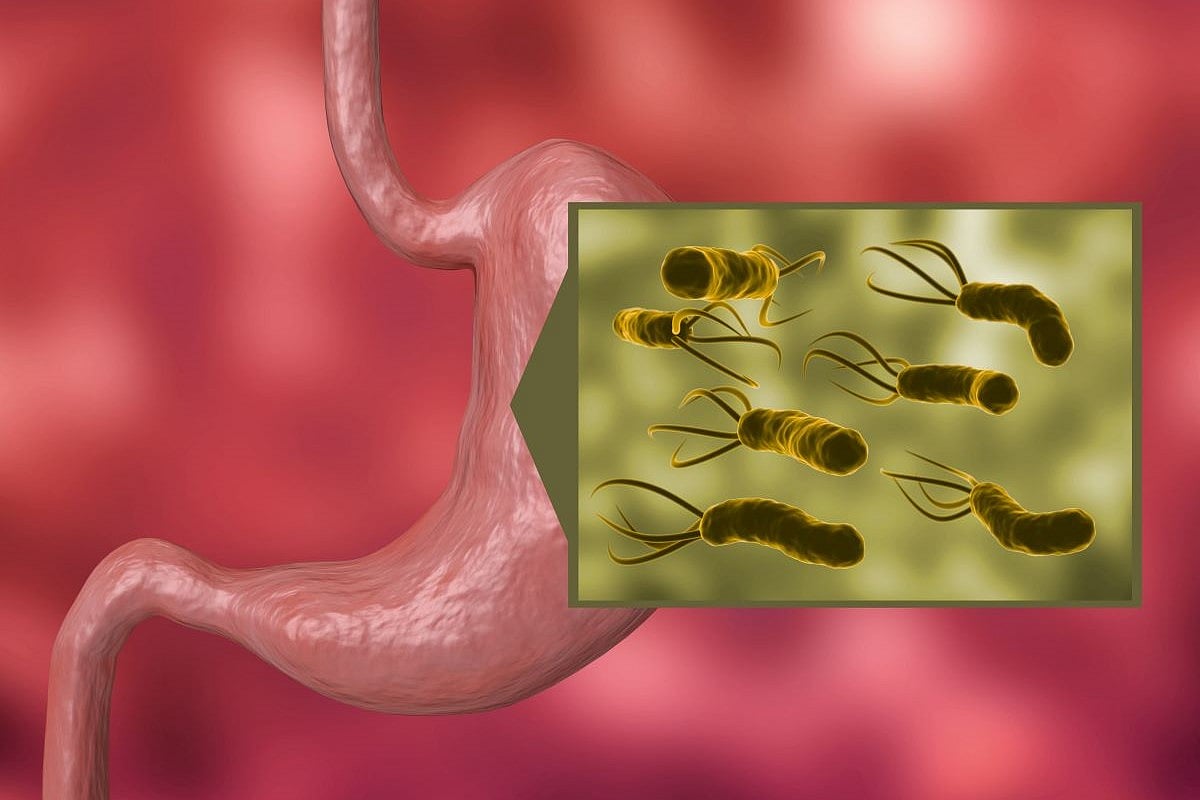 H. Pylori Exposure May Contribute to Global Burden of Colorectal Cancer
  Distinct Skin Microbiome Features Emerge Before Atopic Disease Onset in Infants
  Freshwater Swimming Tied to Stomach Bugs, Skin Conditions
  Couples" Coping Skills Help Reduce Depression in GI Cancer Survivors
  Organized, Biennial FIT-Based Screening Linked to Lower Colorectal Cancer Mortality
 .jpg)




