


Significantly lower incidence of colorectal cancer recurrence seen for patients with somatic alterations in PI3K pathway genes
FRIDAY, Sept. 19, 2025 (HealthDay News) — Aspirin is associated with a lower incidence of colorectal cancer (CRC) recurrence among certain patients with rectal or colon cancer with somatic alterations in PI3K pathway genes, according to a study published online Sept. 17 in the New England Journal of Medicine.
Anna Martling, M.D., Ph.D., from Karolinska Institutet in Stockholm, and colleagues conducted a randomized trial involving patients with stage I, II, or III rectal cancer or stage II or III colon cancer with somatic alterations in PI3K pathway genes (prespecified PIK3CA hotspot mutations in exon 9 or 20 [group A alterations] and those with other moderate- or high-impact somatic variants in PIK3CA, PIK3R1, or PTEN [group B alterations]).
Of 515 patients with group A alterations and 588 with group B alterations, 314 and 312, respectively, were randomly assigned to receive 160 mg of aspirin or matched placebo once daily for three years. The researchers found that the estimated three-year cumulative incidence of recurrence was 7.7 and 14.1 percent with aspirin and placebo, respectively, among patients with group A alterations and 7.7 and 16.8 percent among patients with group B alterations (hazard ratios, 0.49 [95 percent confidence interval (CI), 0.24 to 0.98] and 0.42 [95 percent CI, 0.21 to 0.83], respectively). The estimated three-year disease-free survival was 88.5 and 81.4 percent with aspirin and placebo, respectively, among patients with group A alterations (hazard ratio, 0.61 [95 percent CI, 0.34 to 1.08]) and 89.1 and 78.7 percent among patients with group B alterations (hazard ratio, 0.51 [95 percent CI, 0.29 to 0.88]).
“The findings strongly support the biological rationale and suggest that the treatment may be particularly effective in genetically defined subgroups of patients,” Martling said in a statement.
Several authors disclosed ties to the pharmaceutical and biomedical industries.
Abstract/Full Text (subscription or payment may be required)
 Surveillance Colonoscopy at Five Years After Adenoma Removal Noninferior to Three Years
 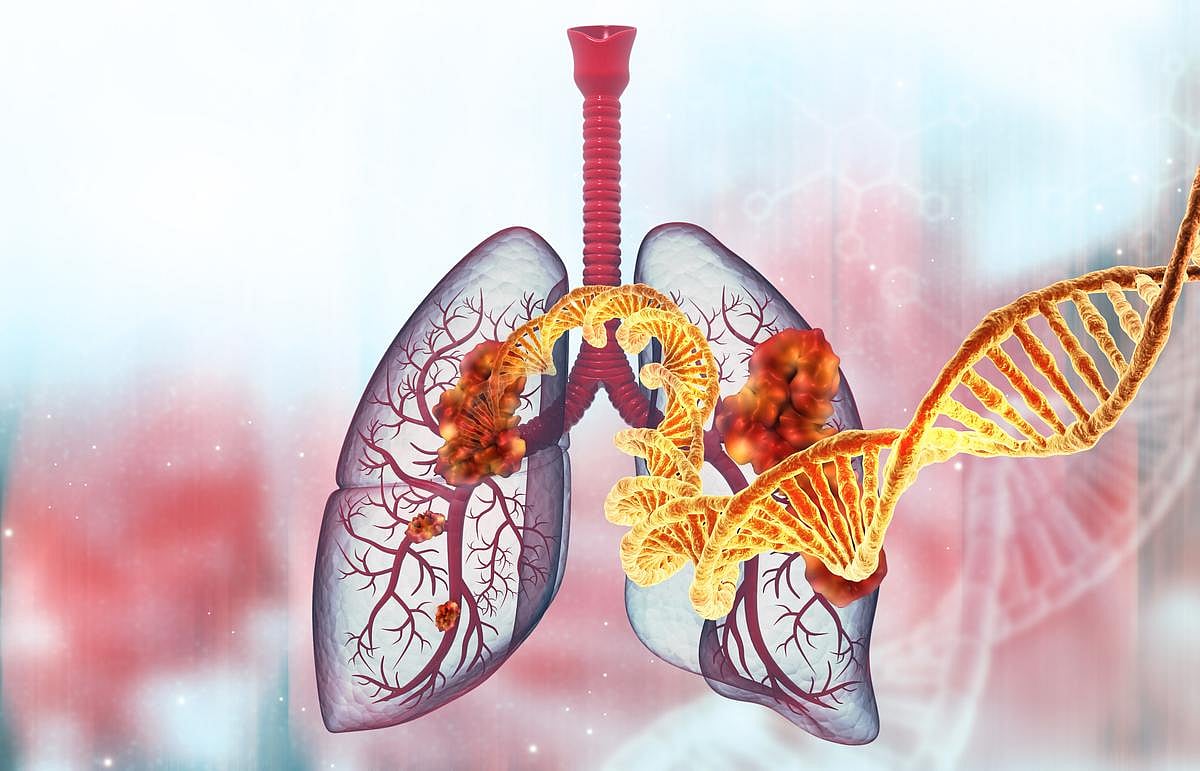 Gene Mutation Identified That Increases Lung Cancer Risk
 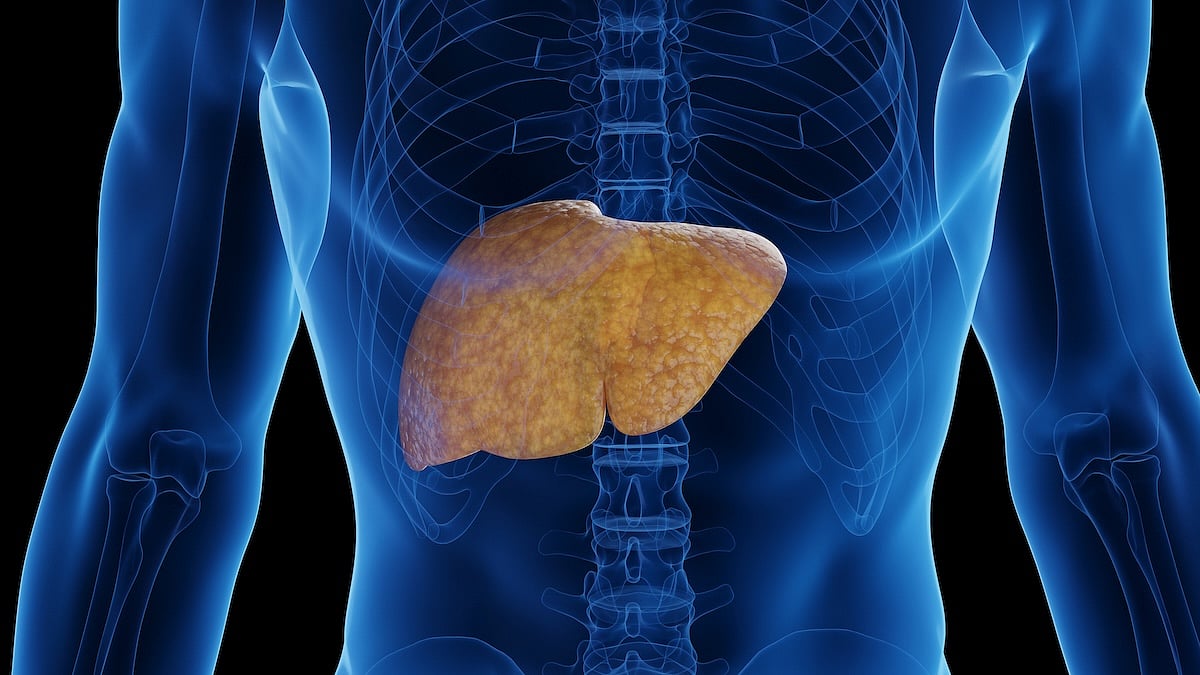 Genetics, Diabetes Tied to MASLD-Associated Cirrhosis Before Age 50
  Family History of CRC Increases CRC Risk Similarly in IBD, General Population
  Personalized Support Boosts Families" Genetic Testing for Hereditary Cancers
  Serum 25(OH)D May Serve as Biomarker of Disease Activity in IBD
  Relapse Rare After Appendiceal Adenocarcinoma Resection
 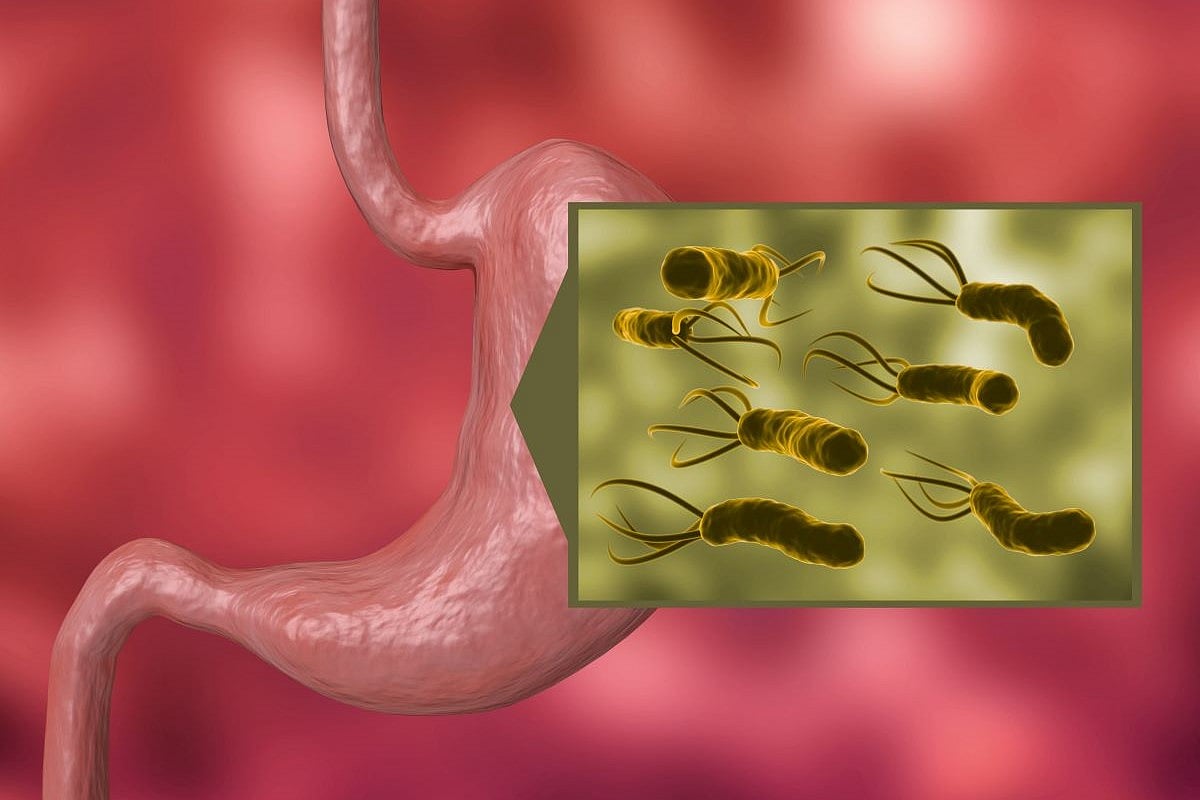 H. Pylori Exposure May Contribute to Global Burden of Colorectal Cancer
.jpg)



