


Combination more effective than 5 percent betadine solution or silver colloidal gel alone for all bacteria, including K. pneumoniae
WEDNESDAY, Aug. 17, 2022 (HealthDay News) — The combination of 5 percent betadine solution and silver colloidal gel (Ag-gel) is more effective than either substance alone for inhibiting the growth of all tested bacteria, according to a study recently published in the American Journal of Infection Control.
Phat Tran, Ph.D., from the Texas Tech University Health Sciences Center in Lubbock, and colleagues examined the effectiveness of 5 percent betadine solution and Ag-gel as antimicrobial agents using a colony-forming unit assay and confocal laser scanning microscopy (CLSM).
The researchers found that with the exception of the Klebsiella pneumoniae clinical isolate strain, Ag-gel demonstrated complete inhibition of all bacteria species tested, while none of the tested bacteria were killed with 5 percent betadine concentrations. However, in the presence of both 5 percent betadine solution and Ag-gel together, K. pneumoniae was completely eliminated. Similar findings were seen with the CLSM.
“Despite substantial advancements in wound treatment and supportive care, wound infections remain a serious problem, particularly in the case of large burns,” a coauthor said in a statement. “Our study is the first to systematically evaluate the use of betadine alone as compared to the combination of betadine and silver colloidal gel to eliminate bacteria and the growth of biofilms.”
Abstract/Full Text (subscription or payment may be required)
 Distinct Skin Microbiome Features Emerge Before Atopic Disease Onset in Infants
 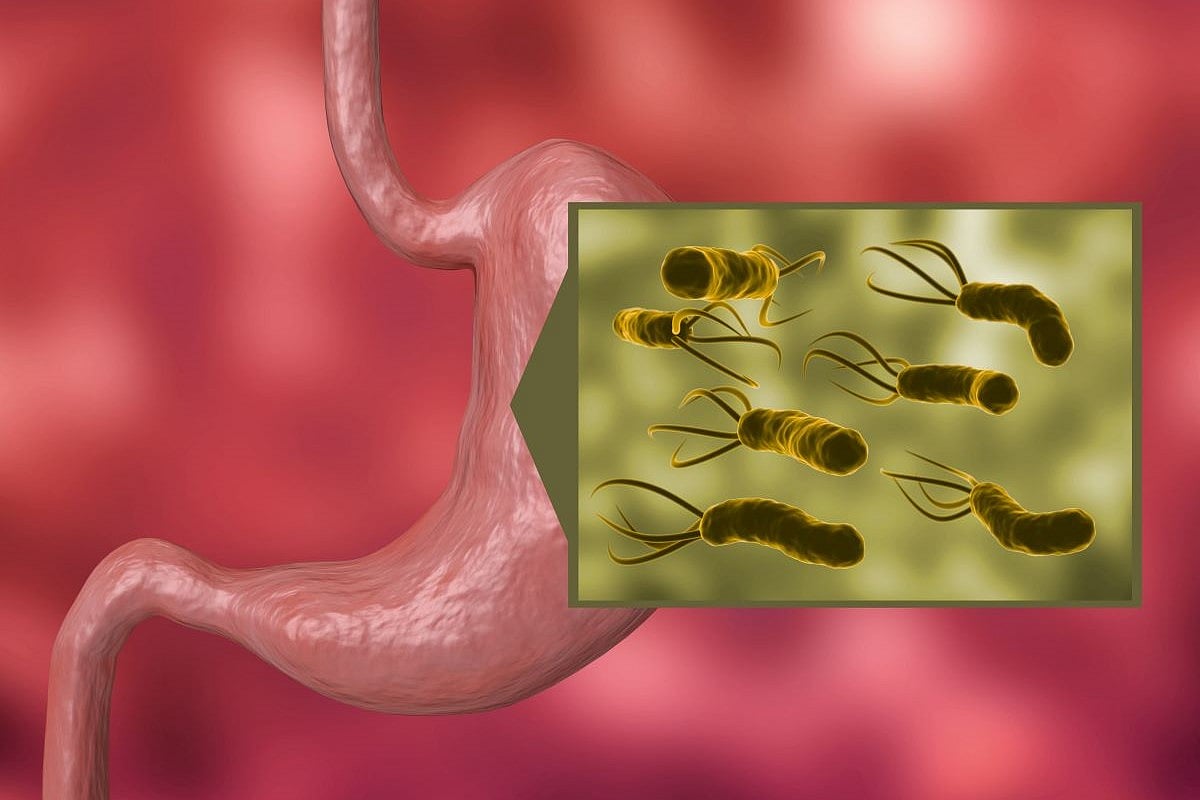 H. Pylori Exposure May Contribute to Global Burden of Colorectal Cancer
  About 1 in 20 Hospitalized U.S. Adults With Firearm Injuries Develop Bacterial Infections
  Freshwater Swimming Tied to Stomach Bugs, Skin Conditions
 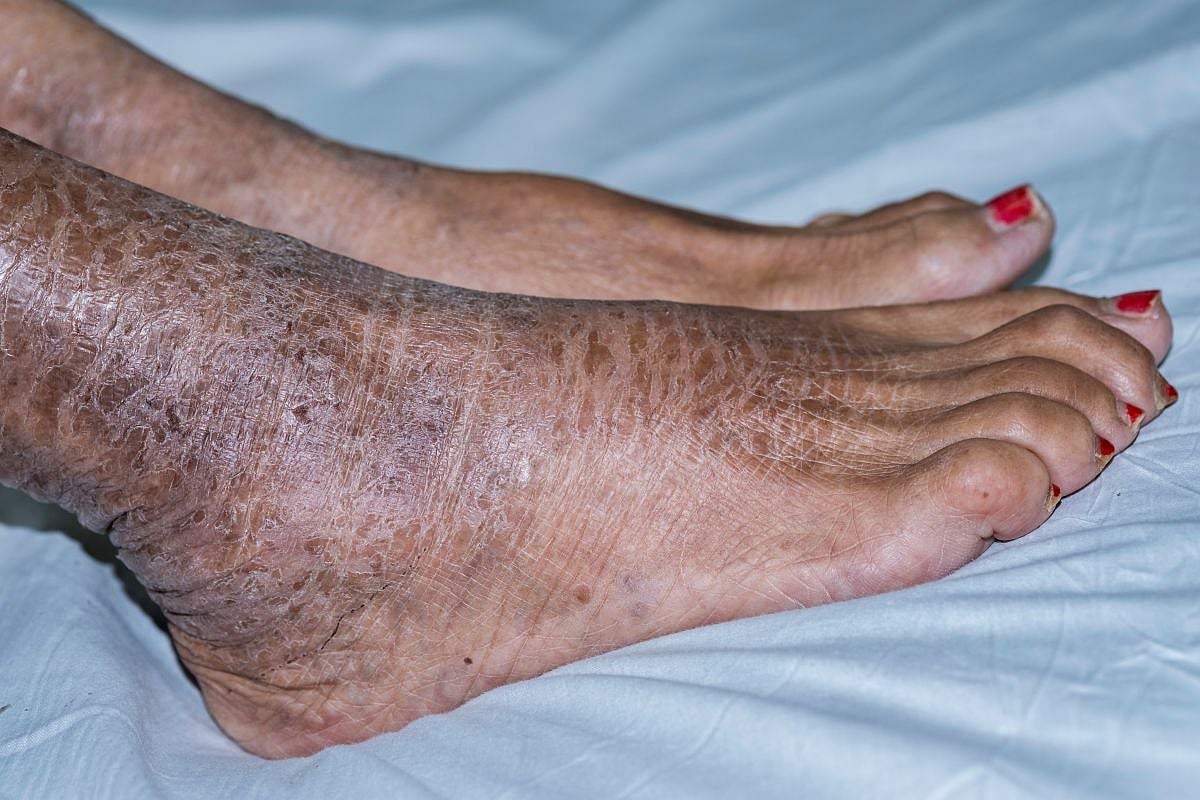 Congenital Ichthyosis Linked to Allergic Disorders
  Considerable Global Disparities Found in Access to Dermatological Care
  Extreme Heat Linked to 33 Clinically Reportable Diagnoses
  Early-Life PFAS Exposure Tied to Intestinal Inflammation in Childhood
 .jpg)




