


17 percent increase in the exposure rate seen for 2011 to 2023
WEDNESDAY, Feb. 19, 2025 (HealthDay News) — Pediatric exposures to caffeine energy products reported to U.S. poison centers increased from 2011 to 2023, although most exposures had minimal clinical effects, according to a study published online Jan. 31 in the Journal of Medical Toxicology.
Timothy R. Thompson, from Nationwide Children’s Hospital in Columbus, Ohio, and colleagues investigated trends of pediatric exposures to caffeine energy products reported to U.S. poison centers. The analysis included data for 32,482 caffeine energy product single-substance exposures during 2011 to 2023 among individuals younger than 20 years old identified from the National Poison Data System.
The researchers found an increase of 17.3 percent in the exposure rate from 2011 to 2023. Most exposures occurred among children younger than 6 years (69.6 percent) and among males (56.7 percent), and most involved liquid formulations (57.5 percent). Most exposures (80.7 percent) were not treated at a health care facility, although 1.6 percent of exposures were medically admitted. Teenagers (13 to 19 years old) were more likely to be medically admitted (odds ratio [OR], 12.74) or have a serious medical outcome (OR, 18.83) compared to children younger than 13 years. Serious medical outcomes (OR, 1.98) and medical admission (OR, 5.23) were more likely with solid energy product formulations versus other types of formulations. The exposure rate among liquid formulation subcategories increased for beverages (46.5 percent) and decreased for shots (−86.1 percent).
“Opportunities exist to reduce the adverse effects of caffeine energy products among the pediatric population,” the authors write.
 Nearly 2 in 3 Poison Exposures in Young Children May Not Need the ED
  Unintentional Ingestion of Recreational Drugs Increased, Especially Since 2013
  AHA: Consuming Up to 400 mg/Day of Caffeine Safe for Most Adults
 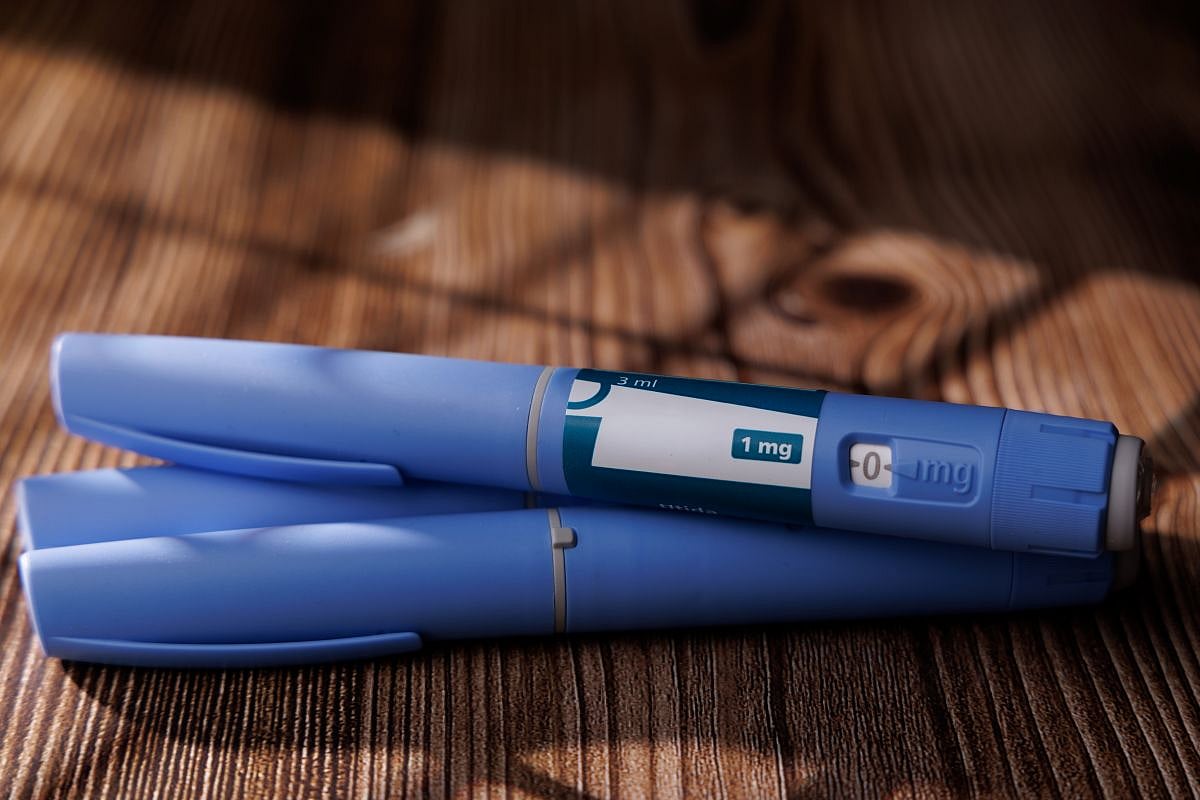 GLP-1 Receptor Agonist Exposures Reported to Poison Center Up After FDA Approval for Weight Loss
  Very Low-Carb Diet Shows Greater Cardiometabolic Benefits Than Other Diets
  Calorie Restriction and Mediterranean-Style Diet Yield Similar Weight Loss
  Reinitiating Obesity Meds After Bariatric Surgery Tied to Greater One-Year Weight Loss in Youths
  Weight Cycling Linked to Increased Loss of Muscle Volume



.jpg)
