


 Milder xerosis and wrinkle-like skin changes for β-carotene, lycopene plus low zinc/magnesium diet
THURSDAY, March 24, 2016 (HealthDay News) — Oral administration of β-carotene or lycopene prevents atopic dermatitis (AD)-like dermatitis in HR-1 hairless mice, according to an experimental study published online March 19 in the Journal of Dermatology.
Makiko Hiragun, M.D., Ph.D., from Hiroshima University in Japan, and colleagues examined the effect of oral administration of β-carotene or lycopene on AD-like symptoms of HR-1 hairless mice fed with a low zinc/magnesium diet. Mice were divided into four groups and fed for eight weeks with a standard diet; low zinc/magnesium diet (HR group); low zinc/magnesium and β-carotene diet (HR-C group); and low zinc/magnesium and lycopene diet (HR-L group).
The researchers found that in the HR group, mice developed clinical and histological AD-like dermatitis. Xerosis and wrinkle-like skin changes developed in the HR-C and HR-L groups, but they were milder than in those of HR group mice. Epidermis thickening and inflammatory cell infiltration in the skin was statistically less in the HR-C and HR-L versus the HR group. Compared with the HR group, the concentration of thymus and activation regulated chemokine in the skin of the HR-L group and concentration of CCL27 in the skin of the HR-C group were significantly lower.
“In conclusion, per os administration of β-carotene or lycopene prevents AD-like symptoms in association with a suppression of T-helper 2 chemokines in a murine model,” the authors write. “Ingestion of carotenoids may be beneficial for patients with AD.”
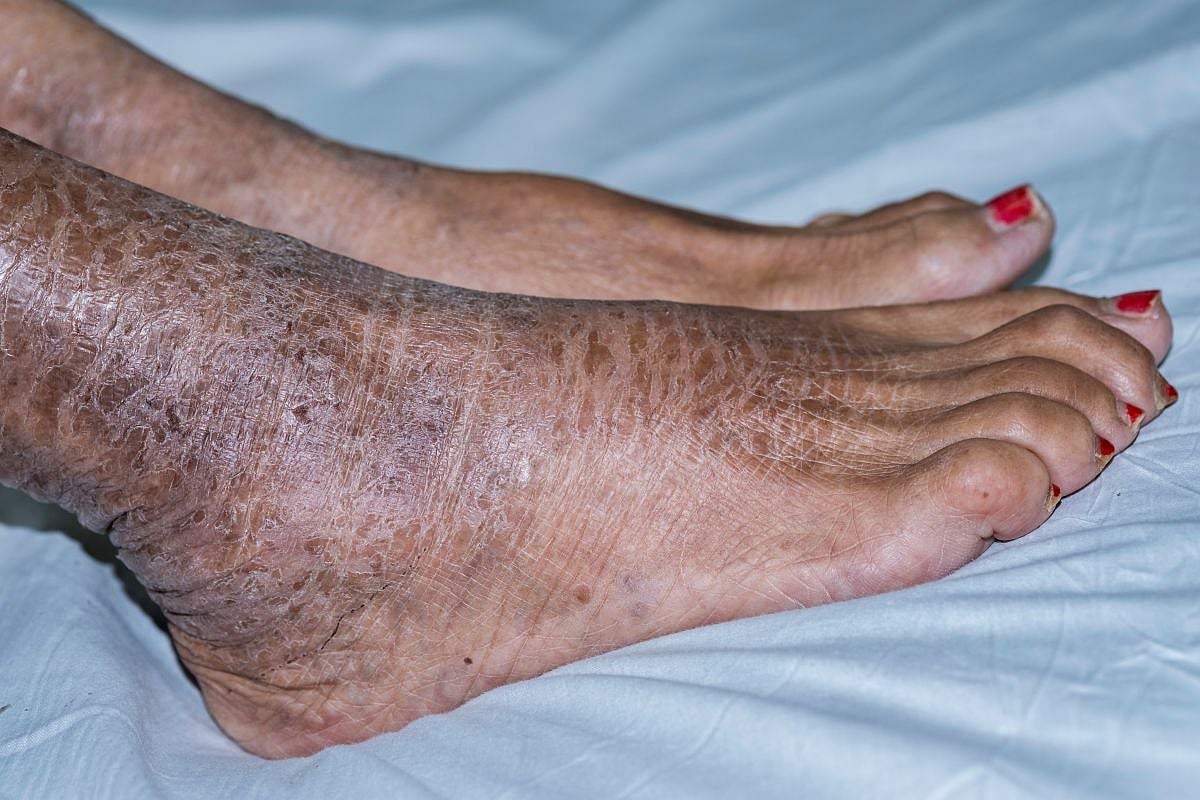 Congenital Ichthyosis Linked to Allergic Disorders
  Distinct Skin Microbiome Features Emerge Before Atopic Disease Onset in Infants
  Freshwater Swimming Tied to Stomach Bugs, Skin Conditions
  Considerable Global Disparities Found in Access to Dermatological Care
  Hydrogel-Based Dermal Regenerative Template Shows Promise in Wound Reconstruction
  Extreme Heat Linked to 33 Clinically Reportable Diagnoses
 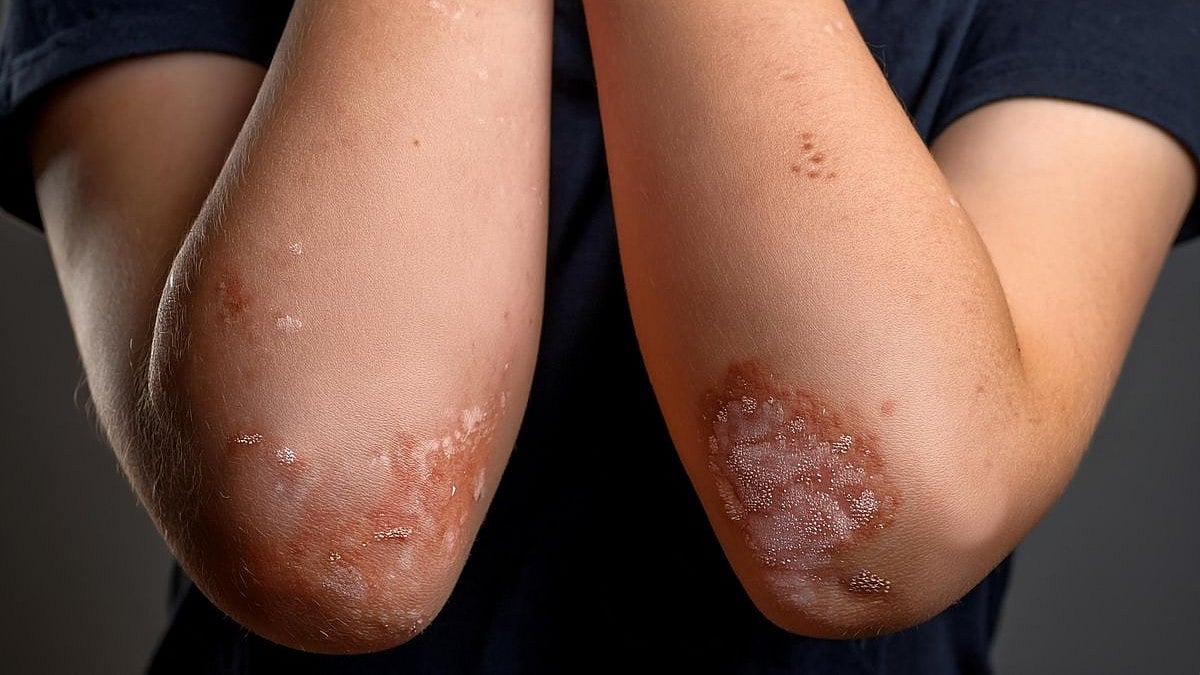 Psoriasis Linked to Impairment of Some Sleep Domains
  Collagen Supplements Beneficial for Dermal, Bone, Musculoskeletal Health


.jpg)

