


 Outbreaks with confirmed infectious etiology usually caused by Cryptosporidium, Legionella, Pseudomonas
FRIDAY, May 25, 2018 (HealthDay News) — Outbreaks associated with treated recreational water with confirmed infectious etiology are usually caused by Cryptosporidium, Legionella, or Pseudomonas, according to research published in the May 18 issue of the U.S. Centers for Disease Control and Prevention’s Morbidity and Mortality Weekly Report.
Michele C. Hlavsa, M.P.H., from the CDC in Atlanta, and colleagues describe 493 outbreaks associated with treated recreational water reported during 2000 to 2014.
The researchers found that 58 percent of the 363 outbreaks with confirmed infectious etiology were caused by Cryptosporidium, 16 percent by Legionella, and 13 percent by Pseudomonas. Overall, 24,453 cases were identified in the 363 outbreaks; 89, 4, and 3 percent were caused by Cryptosporidium, Pseudomonas, and Legionella, respectively. Of the eight reported deaths, at least six occurred in persons affected by outbreaks caused by Legionella. The leading setting was hotels, which were associated with 32 percent of the 493 outbreaks. The outbreaks had a bimodal temporal distribution: 56 percent started in June to August, and 9 percent started in March.
“Assessment of trends in the annual counts of outbreaks caused by Cryptosporidium, Legionella, or Pseudomonas indicate mixed progress in preventing transmission,” the authors write. “Pathogens able to evade chlorine inactivation have become leading outbreak etiologies.”
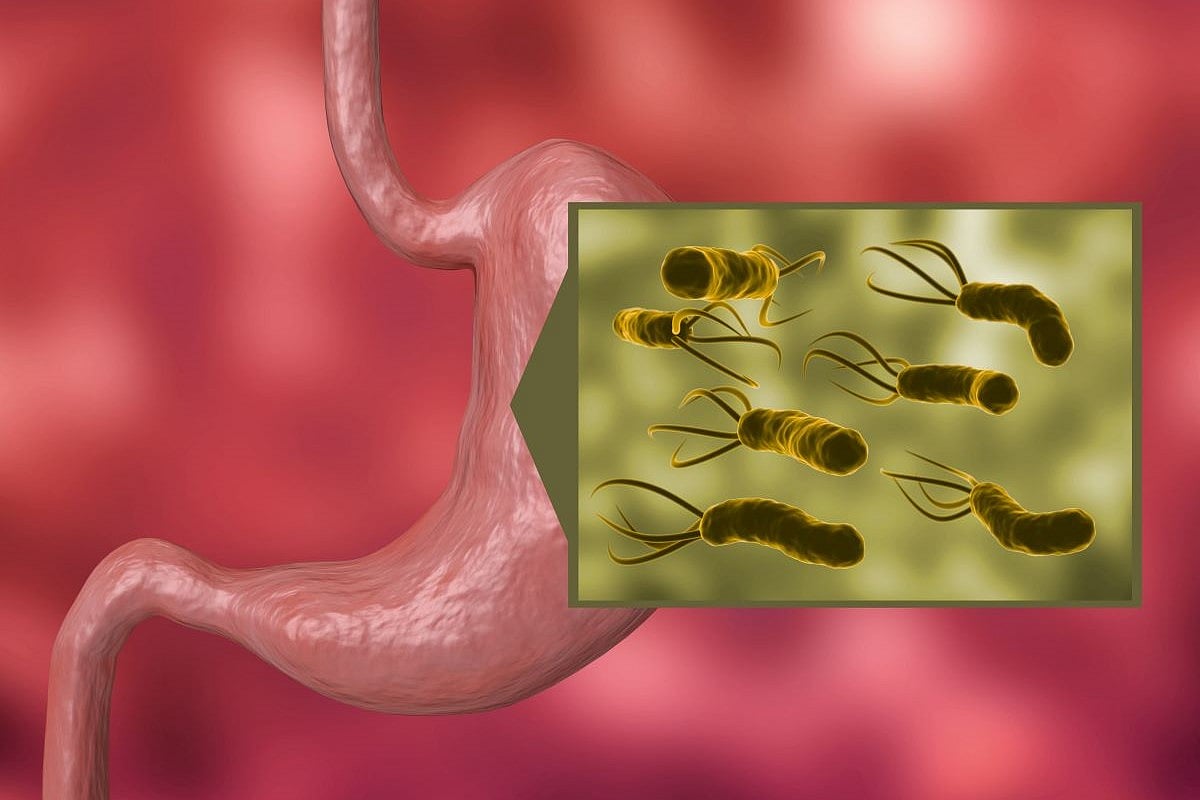 H. Pylori Exposure May Contribute to Global Burden of Colorectal Cancer
  Distinct Skin Microbiome Features Emerge Before Atopic Disease Onset in Infants
  About 1 in 20 Hospitalized U.S. Adults With Firearm Injuries Develop Bacterial Infections
  Freshwater Swimming Tied to Stomach Bugs, Skin Conditions
 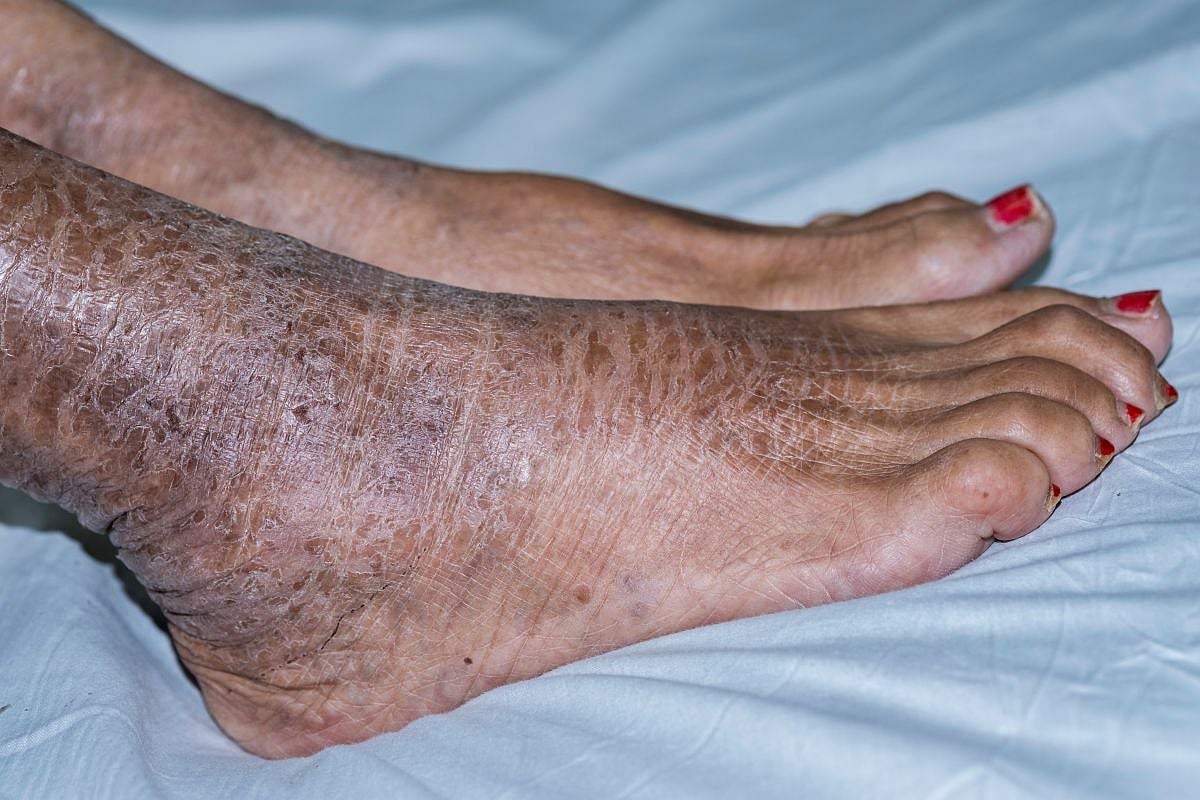 Congenital Ichthyosis Linked to Allergic Disorders
  Considerable Global Disparities Found in Access to Dermatological Care
  Extreme Heat Linked to 33 Clinically Reportable Diagnoses
  Early-Life PFAS Exposure Tied to Intestinal Inflammation in Childhood
 .jpg)




