


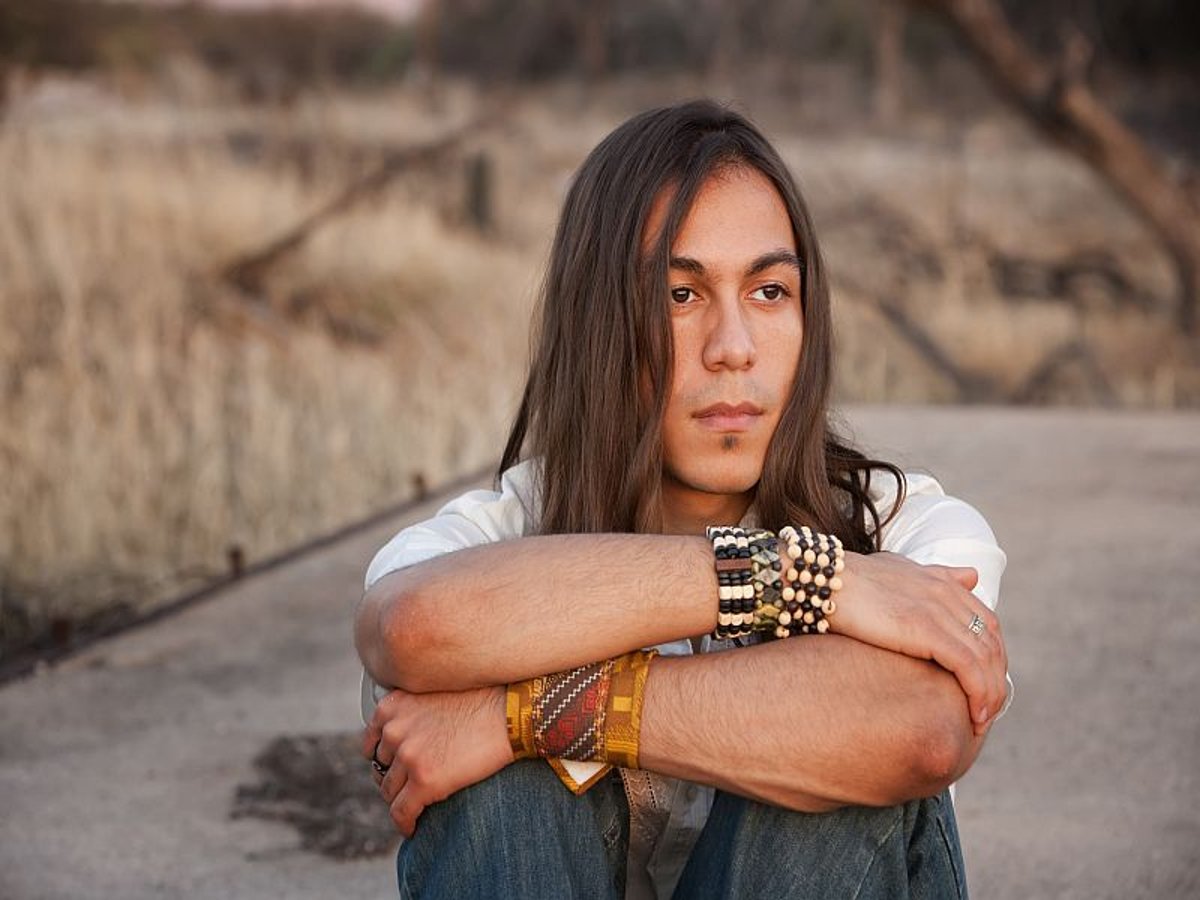
 18.9 percent of AIAN adults have a disability in large MSAs versus 12.9 percent in rural areas
THURSDAY, Aug. 6, 2020 (HealthDay News) — American Indian and Alaska Native (AIAN) adults are more likely to be in fair or poor health than all U.S. adults, according to an August data brief published by the U.S. Centers for Disease Control and Prevention National Center for Health Statistics.
Maria A. Villarroel, Ph.D., from the National Center for Health Statistics in Hyattsville, Maryland, and colleagues examined differences in the percentage of AIAN adults with selected health status and conditions by urbanization level using data from the National Health Interview Survey.
The researchers observed no difference by urbanization level in the age-adjusted percentage of AIAN adults in fair or poor health, but the percentage of AIAN adults in fair or poor health was higher than for all U.S. adults. The percentage of AIAN adults with a disability ranged from 12.9 to 18.9 percent in rural areas and large metropolitan statistical areas (MSAs), respectively. The percentage of AIAN adults with multiple chronic conditions ranged from 28.6 to 35.5 percent in large MSAs and rural areas, respectively. The highest percentage of AIAN adults with diagnosed hypertension was seen in medium and small MSAs and rural areas (35.7 and 35.0 percent, respectively). In rural areas, the percentage of AIAN adults with diagnosed diabetes was highest (18.9 percent).
“Understanding the factors driving differences in health status and disability may be informative to efforts to curtail health disparities among AIAN adults, particularly those living in smaller-sized MSAs and rural areas,” the authors write.
 Pre-Prostate Biopsy MRI Use Increased From 2017 to 2026
  MHT Initiation May Reduce Cardiovascular Risk in Women With Vasomotor Symptoms
  Lower Breast, Cervical Cancer Screening Seen for Adults With Disabilities
  Residential Context Has Larger Impact on Ovarian Cancer Survival in Black Women
  Exercise Intervention Linked to Improved Attention, Memory in Breast Cancer
 .jpg) Cancer Survivors Have Lower Levels of Physical Activity
Cancer Survivors Have Lower Levels of Physical Activity  Childhood Cancer Survivors Often Have Mental Distress in Adulthood
  Blinatumomab Improves Event-Free Survival in Children With High-Risk B-Cell ALL




