


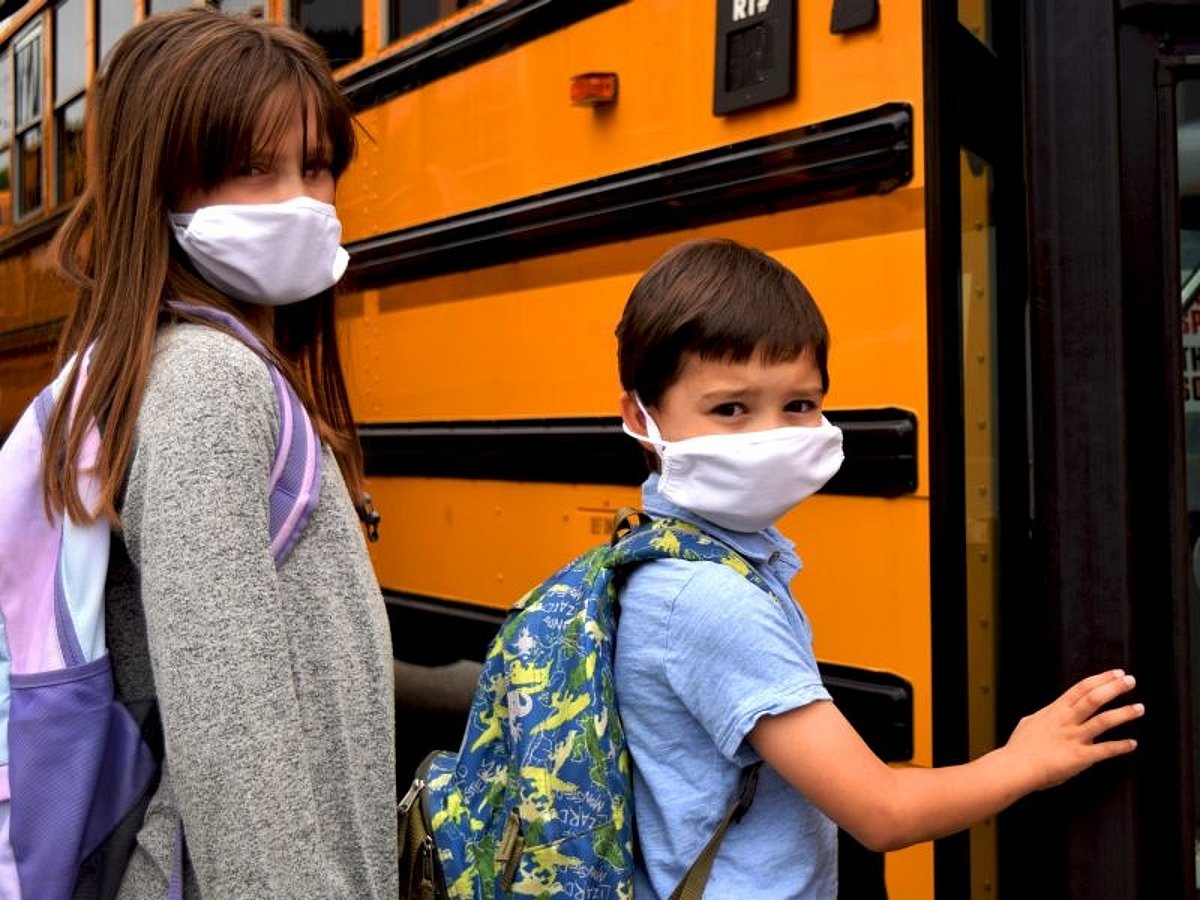
Middle school, high school students should remain at least 6 feet apart in communities where COVID-19 transmission is high
FRIDAY, March 19, 2021 (HealthDay News) — In a move that should make reopening schools an easier task, the U.S. Centers for Disease Control and Prevention on Friday lowered its social distancing recommendation for most classrooms to 3 feet. That should enable many schools to keep all students enrolled in a class within the same room.
Based on the latest science, the CDC recommends students in elementary schools maintain a distance of at least 3 feet in classrooms where mask use is universal, regardless of whether community transmission of COVID-19 is low, moderate, substantial, or high.
In middle and high schools, students should be at least 3 feet apart in classrooms where mask use is universal and in communities where transmission is low, moderate, or substantial. Middle school students and high school students should remain at least 6 feet apart in communities where transmission is high, unless cohorting is possible, the CDC said. Cohorting is when groups of students remain with the same peers and staff throughout the school day to lower the risk of COVID-19 spread throughout the school. The recommendations vary because older students are more likely to be exposed to and spread the coronavirus that causes COVID-19 than younger children, the CDC said.
The agency continues to recommend at least 6 feet of distance: between adults in the school building and between adults and students; in common areas, such as school lobbies and auditoriums; when masks cannot be worn, such as when eating; and in community settings outside the classroom. Maintaining 6 feet of distance is also still recommended during activities that involve increased exhalation, such as singing, shouting, band practice, sports, or exercise. These activities should be done outdoors or in large, well-ventilated spaces whenever possible, the CDC advised.
 Socioeconomic Status Linked to Mortality After Acute Hip Fracture Surgery
  Childhood-Onset Epilepsy Tied to Lower Rate of Educational Attainment
  Non-U.S.-Born Physicians Make Up Nearly Half of Internal Medicine Workforce
  Patient Education Increases Skin Cancer Screening in Stem Cell Transplant Survivors
  Urine Cell-Free RNA Shows Promise as Biomarker for Bladder Cancer
  Biomarkers Plus Kidney Donor Profile Index Improve Prediction of Concordant Allograft Outcomes
  Genomic Newborn Screening Could ID Cancer Predisposition Syndrome
  Female Emergency Medicine Physicians Order More Tests, Admit More Patients


.jpg)

