


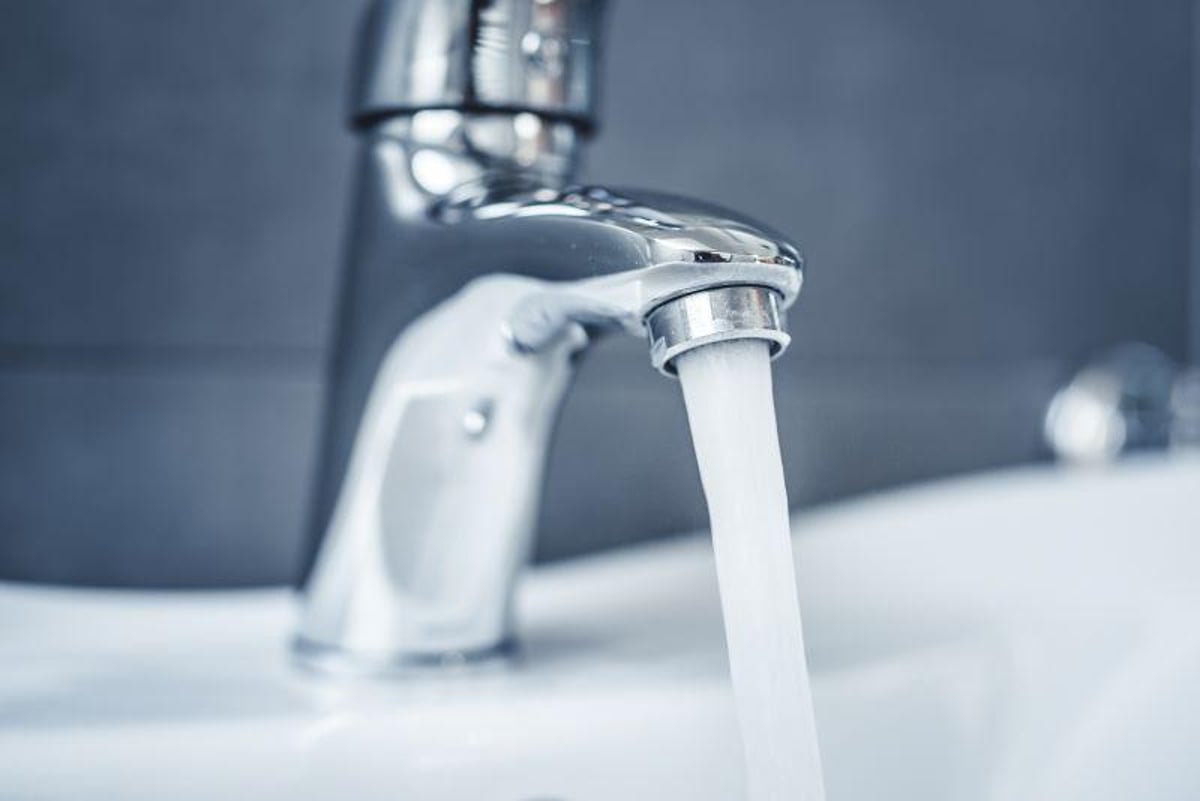
Older adults who were exposed to lead in drinking water as children had worse cognitive function, but not steeper cognitive decline
THURSDAY, Nov. 10, 2022 (HealthDay News) — Exposure to lead in childhood is associated with worse cognitive functioning in late life, according to a study published in the Nov. 11 issue of Science Advances.
Haena Lee, Ph.D., from Sungkyunkwan University in Seoul, South Korea, and colleagues used a nationally representative sample of U.S. older adults linked to historical administrative data from the 1940s to examine the long-term consequences of lead in drinking water on late-life cognition.
The researchers found that older adults who lived as children in cities with lead pipes and acidic or alkaline water, which are conditions needed for leaching of lead into drinking water, had worse cognitive functioning, but did not have steeper cognitive decline. Educational attainment accounted for about one-quarter of the association between lead and late-life cognition.
“Our findings point to the need for stronger actions in water management, corrosion control, and regulation at the state and local levels to avert future lead exposure and its enduring health consequences,” the authors write. “Our findings are also germane to public health concerns about American children born during the 1960s, 1970s, and 1980s who were exposed to historically unprecedented levels of lead via leaded gasoline and other sources.”
 Phthalates From Personal Care Products Tied to Higher BP in Pregnancy
  Glyphosate Exposure During Pregnancy Linked to Preterm Birth
  Dietary Guideline Adherence in Pregnancy Tied to Lower Exposure to Some Chemicals
  Individualized, Goal-Oriented Cognitive Rehab Beneficial for Long COVID
  Fluoxetine, CBT, and Combination Beneficial for Youths With Anxiety Disorders
  IBD-Specific Cognitive Behavioral Teletherapy Protocol Reduces IBD-Related Disability
  18 Percent of Adults With Tinnitus Reduce Work Hours, Stop Work
  Tai Chi Effective for Long-Term Management of Insomnia


.jpg)

