Adding smoke exposure improves the current risk stratification for colorectal neoplasia surveillance strategies
FRIDAY, Feb. 26, 2021 (HealthDay News) — Cigarette smoke plays a role in colorectal neoplasia (CRN) development among inflammatory bowel disease (IBD) patients, according to a study recently published in Clinical Gastroenterology and Hepatology.
Kimberley W.J. van der Sloot, M.D., from the University of Groningen in the Netherlands, and colleagues assessed the effect of smoking on CRN in IBD. The analysis included 1,386 IBD patients screened for development of CRN.
The researchers found that 153 patients (11.5 percent) developed CRN. First-degree family member with CRN in Crohn disease and presence of postinflammatory polyps in ulcerative colitis were verified as risk factors. Passive smoke exposure yielded no effect, but former smoking increased the risk for CRN in ulcerative colitis (hazard ratio, 1.73). Among patients with Crohn disease, active smoking (hazard ratio, 2.20) and passive smoke exposure (hazard ratio, 1.87) both significantly increased CRN risk. There were significant improvements in model fit for Crohn disease with the addition of smoke exposure to the current risk-stratification model.
“The clear risk of increasing association between smoking and CRN development in patients with IBD can be implemented in future CRN surveillance protocols,” the authors write. “Further emphasizing the importance of smoking cessation in patients with Crohn’s disease might decrease long-term risk of CRN development.”
Two authors disclosed financial ties to the pharmaceutical industry.
 IBD Not Linked to Risk for Hypertensive Disorders of Pregnancy Overall
  Surveillance Colonoscopy at Five Years After Adenoma Removal Noninferior to Three Years
 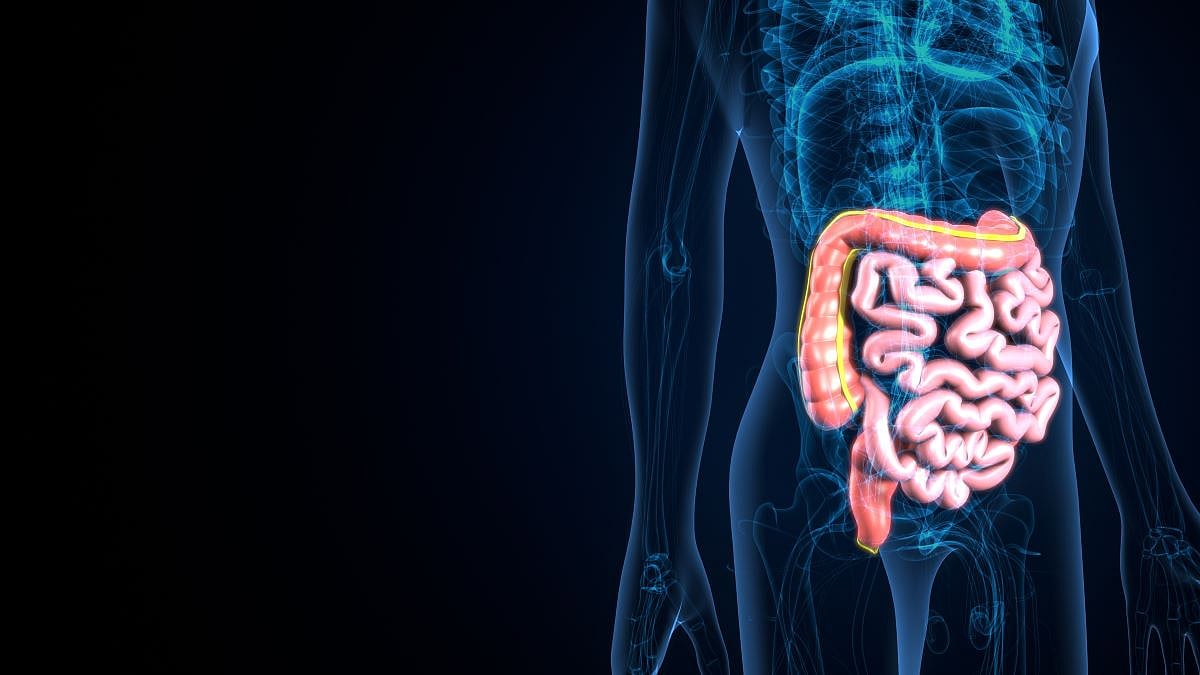 Family History of CRC Increases CRC Risk Similarly in IBD, General Population
 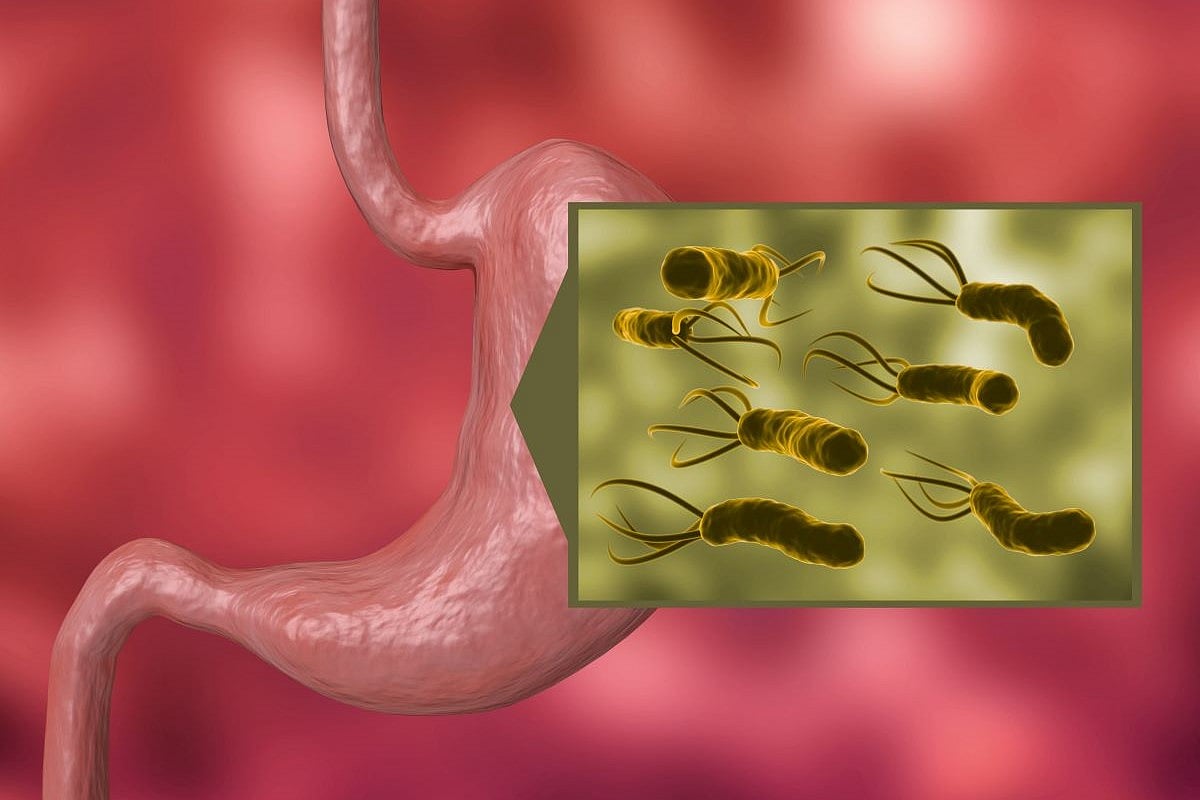 H. Pylori Exposure May Contribute to Global Burden of Colorectal Cancer
  Distinct Skin Microbiome Features Emerge Before Atopic Disease Onset in Infants
  Freshwater Swimming Tied to Stomach Bugs, Skin Conditions
  Couples" Coping Skills Help Reduce Depression in GI Cancer Survivors
 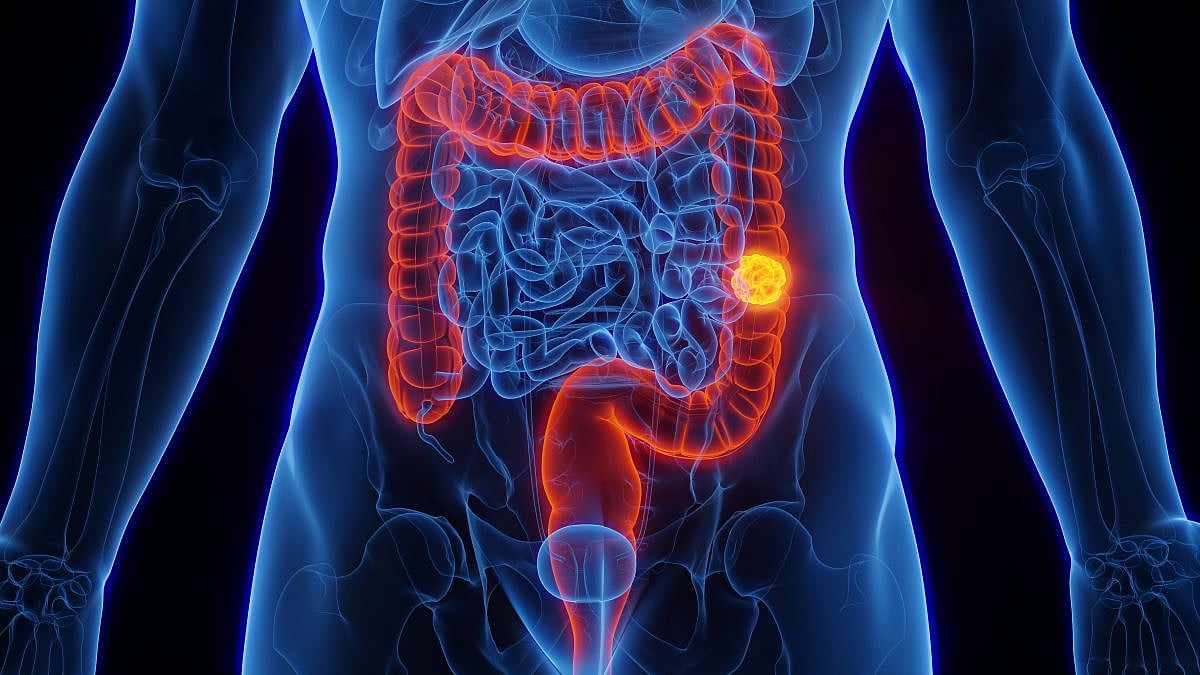 Organized, Biennial FIT-Based Screening Linked to Lower Colorectal Cancer Mortality
.jpeg)